Given that we’ve literally grown up with them, we often know surprisingly little about how our bodies work. This new series aims to fill the gaps
A
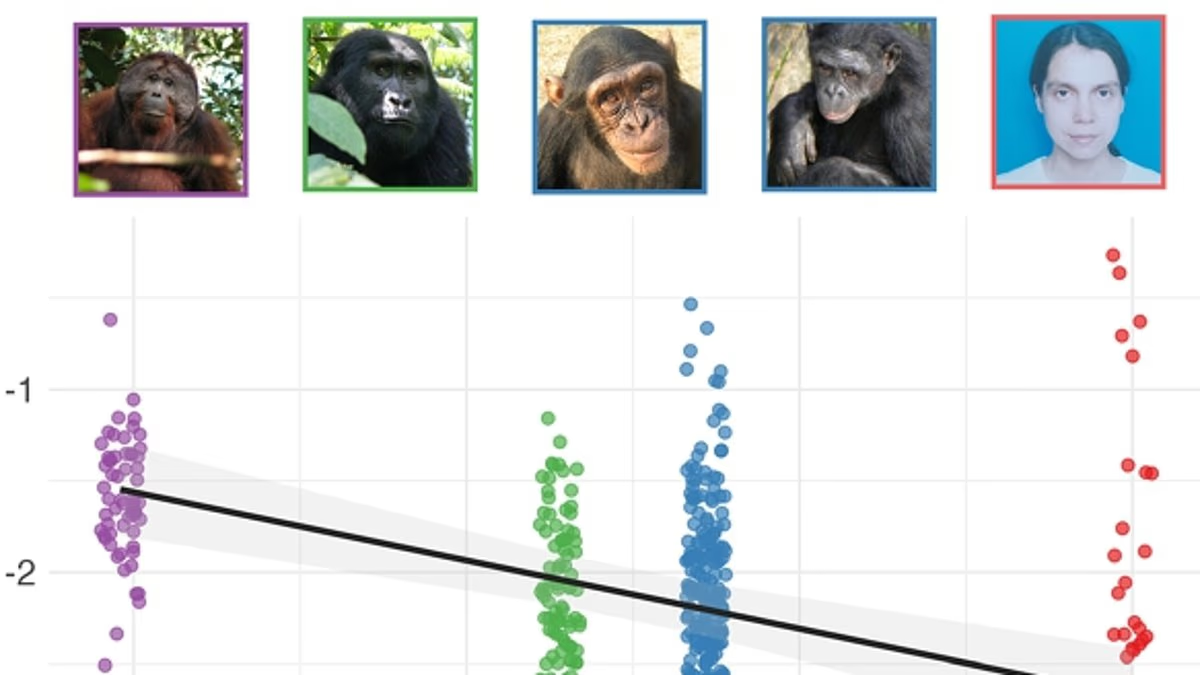
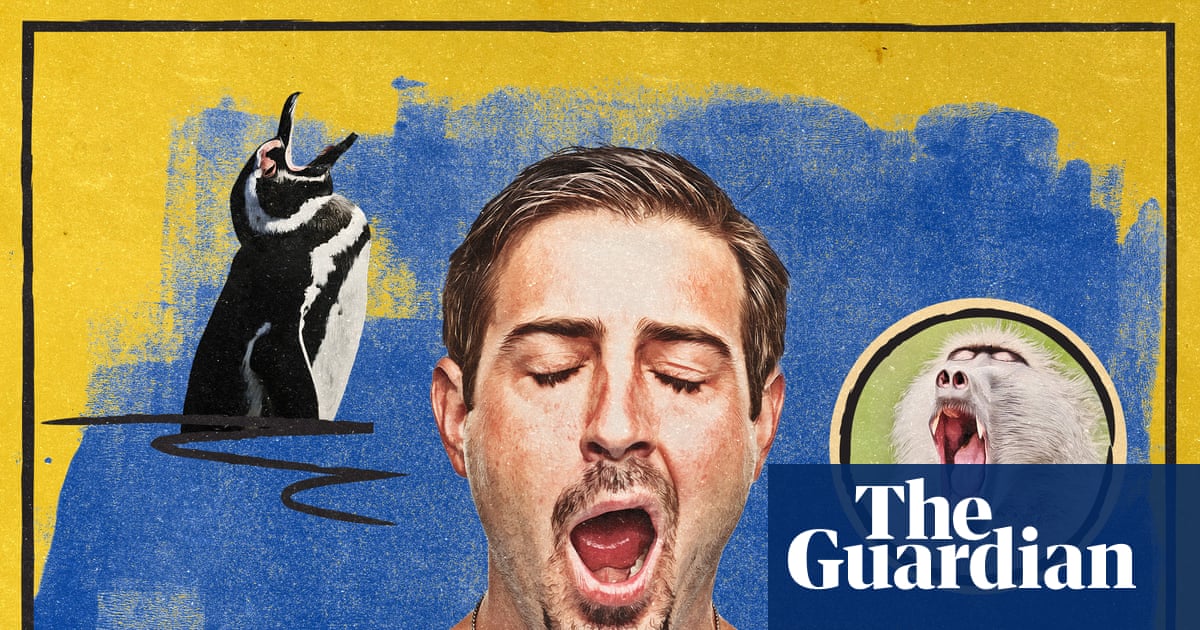
ll vertebrates yawn, or indulge in a behaviour that’s at least recognisable as yawn-adjacent. Sociable baboons yawn, but so do semi-solitary orangutans. Parakeets, penguins and crocodiles yawn – and so, probably, did the first ever jawed fish. Until relatively recently, the purpose of yawning wasn’t clear, and it’s still contested by researchers and scientists. But this commonality provides a clue to what it’s really all about – and it’s probably not what you’re expecting.
“When I poll audiences and ask: ‘Why do you think we yawn?’, most people suggest that it has to do with breathing or respiration and might somehow increase oxygen in the blood,” says Andrew Gallup, a professor in behavioural biology at Johns Hopkins University. “And that’s intuitive because most yawns do have this clear respiratory component, this deep inhalation of air. However, what most people don’t realise is that that hypothesis has been explicitly tested and shown to be false.”
To test the idea that we yawn to bring in more oxygen or expel excess carbon dioxide, studies published in the 1980s manipulated the levels of both gases in air inhaled by volunteers – and they found that while changes did significantly affect other respiratory processes, they didn’t influence the regularity of yawns. There also doesn’t seem to be any systematically measurable difference in the yawning behaviour of people suffering from illnesses associated with breathing and lung function – which is what you would expect if yawns were respiration-related.