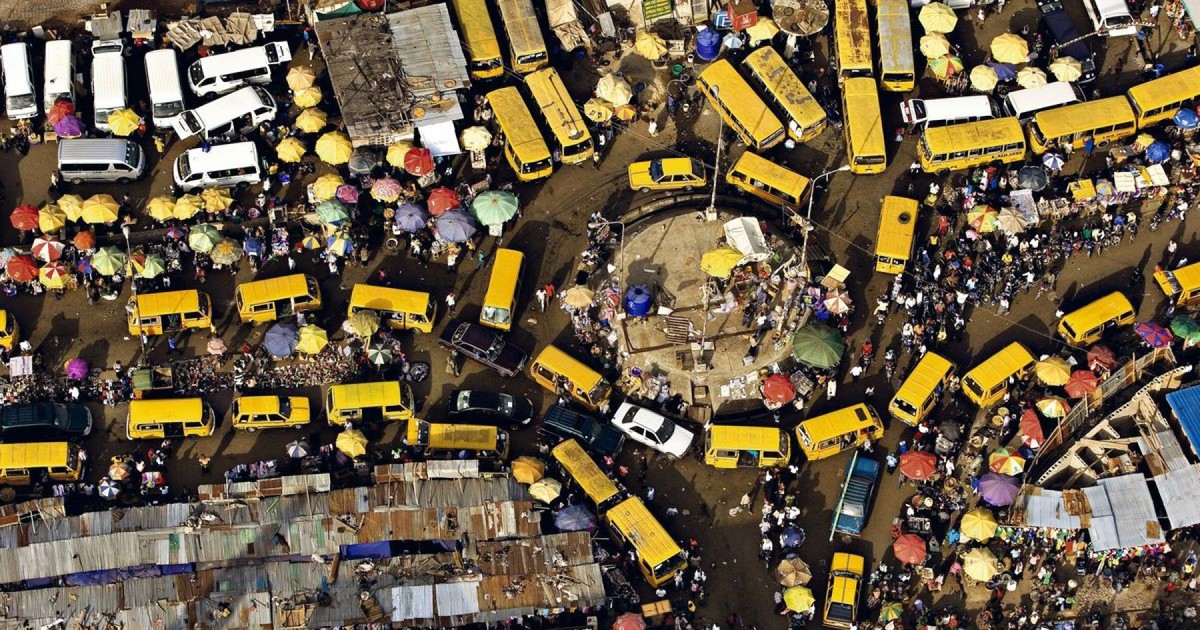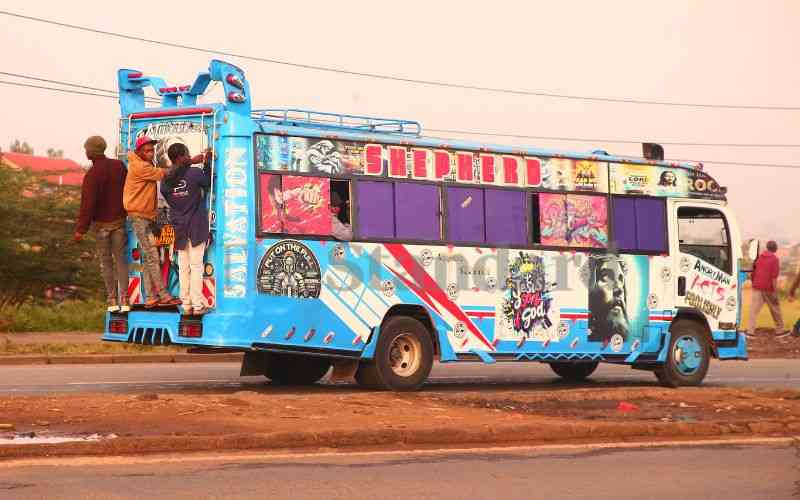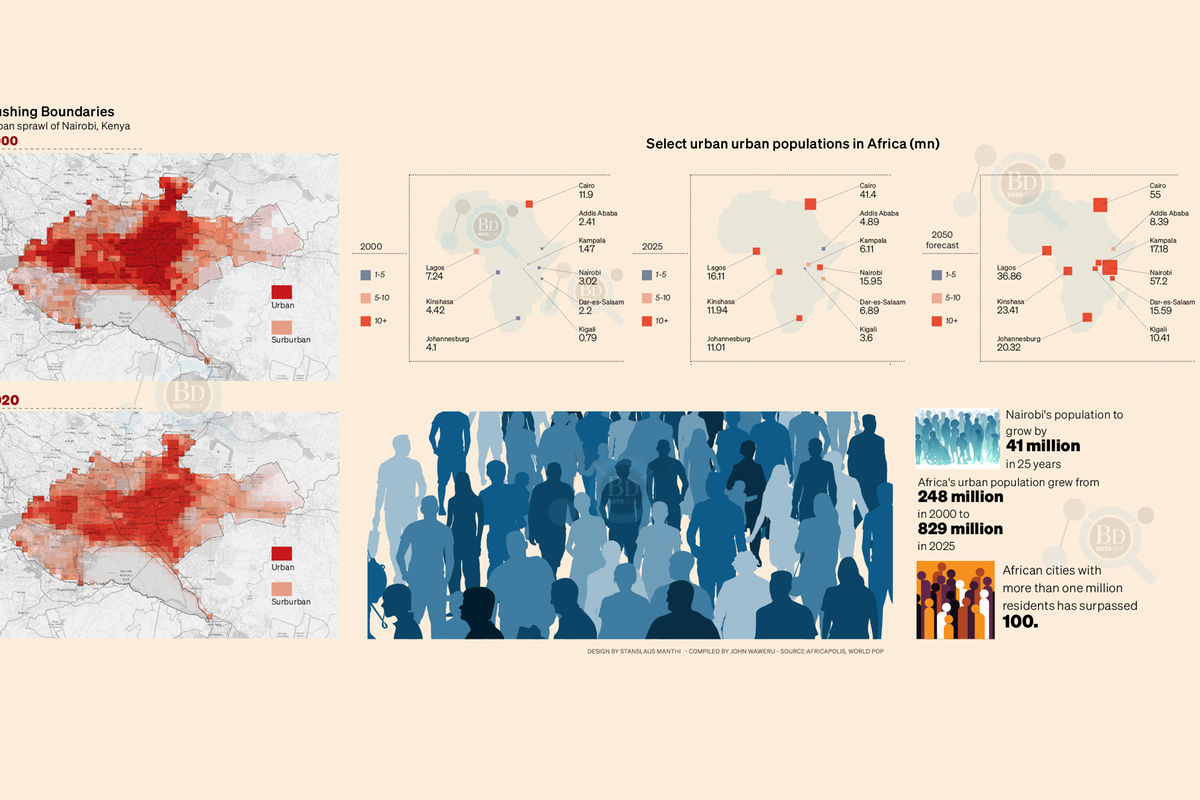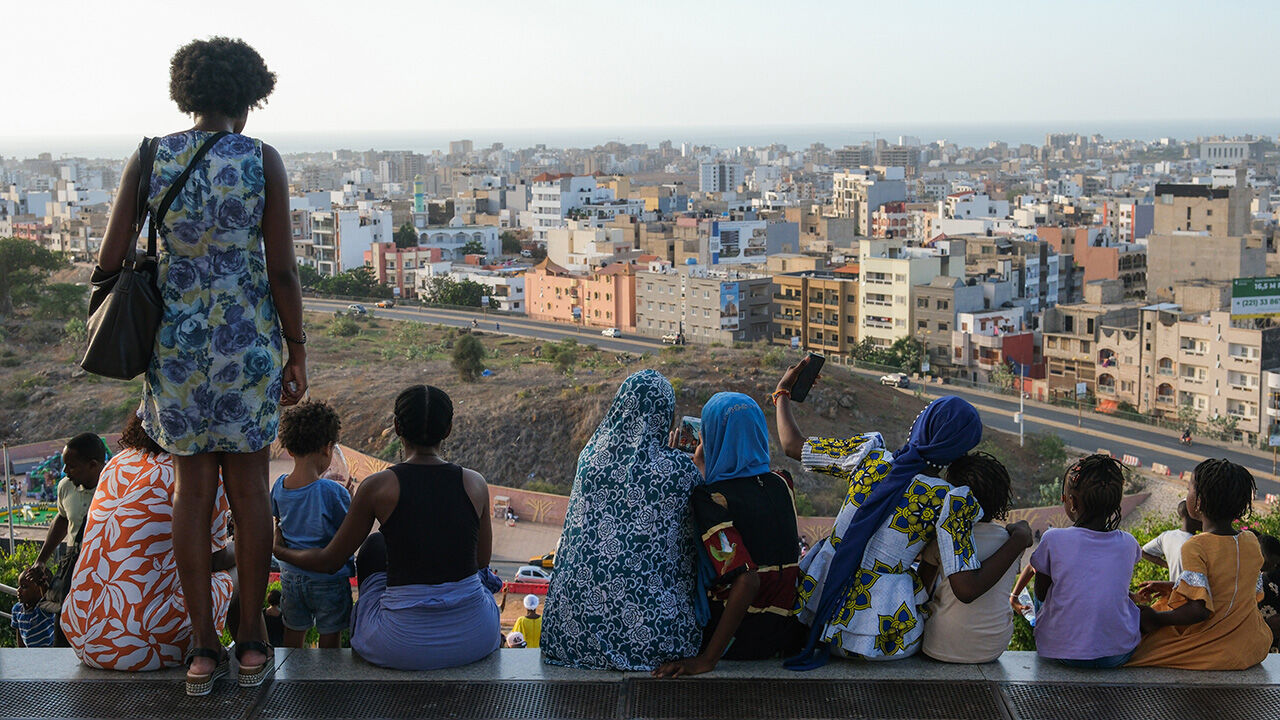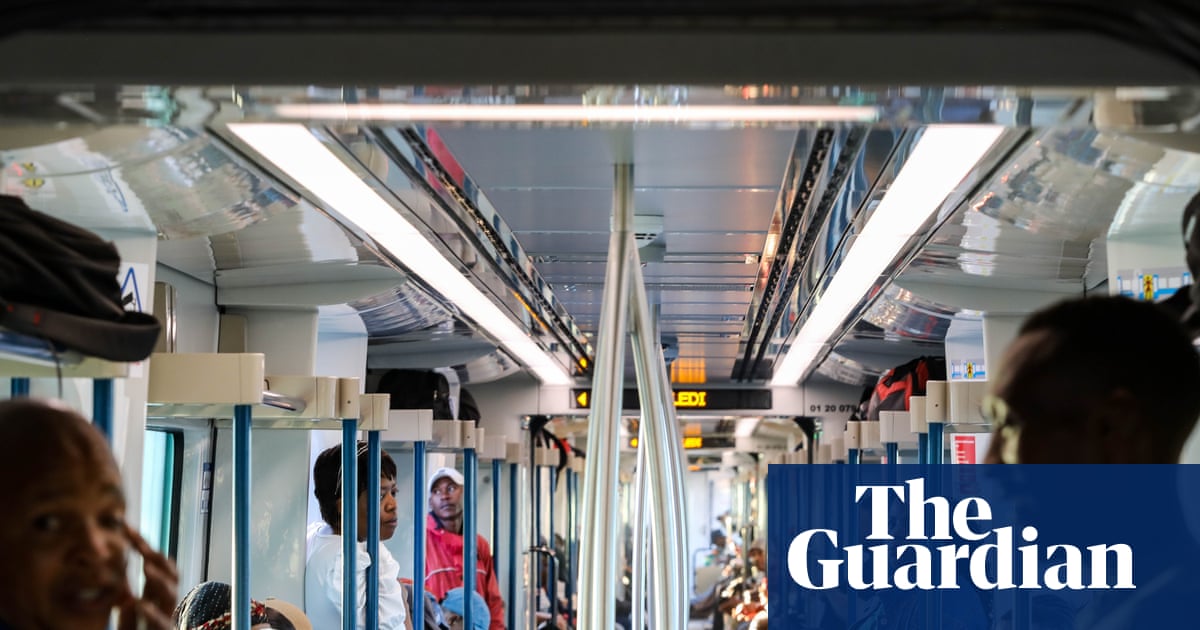
With more and more people moving to big cities such as Nairobi and Abidjan, daily commutes are becoming tougher
A
frica is a rapidly urbanising continent. Since 1990, the proportion of people who live in towns and cities has risen from 28% to 44%, according to the World Bank. The Organisation for Economic Co-operation and Development predicts the continent’s urban population will double to 1.4 billion by 2050.
In many cases, public transport has failed to keep up with this growth, with hours-long traffic jams a common feature of many metropolises. While some cities have light railways, such as Addis Ababa and Lagos, and others have public bus networks, many commuters rely on private minibus taxis.
“This has got to do largely with the colonial planning systems that have been adopted and inherited on the continent,” said Mfaniseni Sihlongonyane, a professor of development planning and urban studies at the University of the Witwatersrand in Johannesburg. “Urban areas were segregated and hence fragmented and so formal transport provision was largely intended for the formal city or … the ‘white area’.”