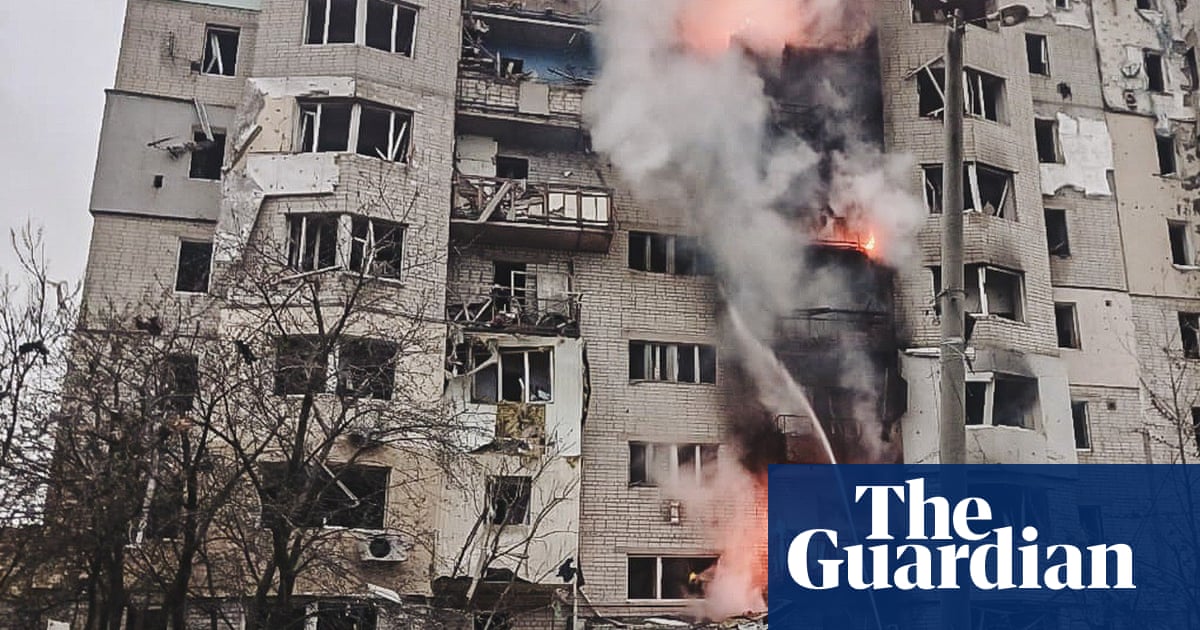
After more than two years of attacks, much of the population has left and the remaining soldiers are stuck in a war ‘going nowhere’
Lyubov Lobunets, 77, left her home in the frontline Ukrainian city of Kupiansk in August when it was hit by a Russian explosive.
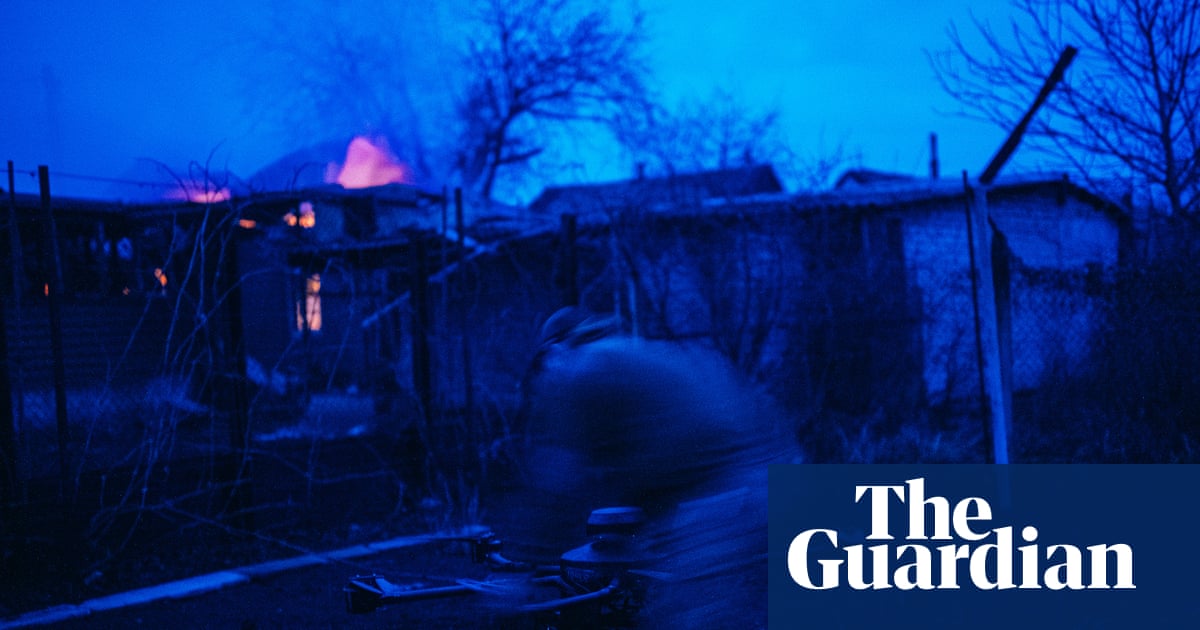
“I was in a five-storey building,” she explained , speaking from a centre for the displaced in nearby Kharkiv. “I don’t know whether it was a Russian missile or bomb that hit the building but it started a fire, and when the flames reached my floor, I was stuck because the door was damaged and I couldn’t escape.”
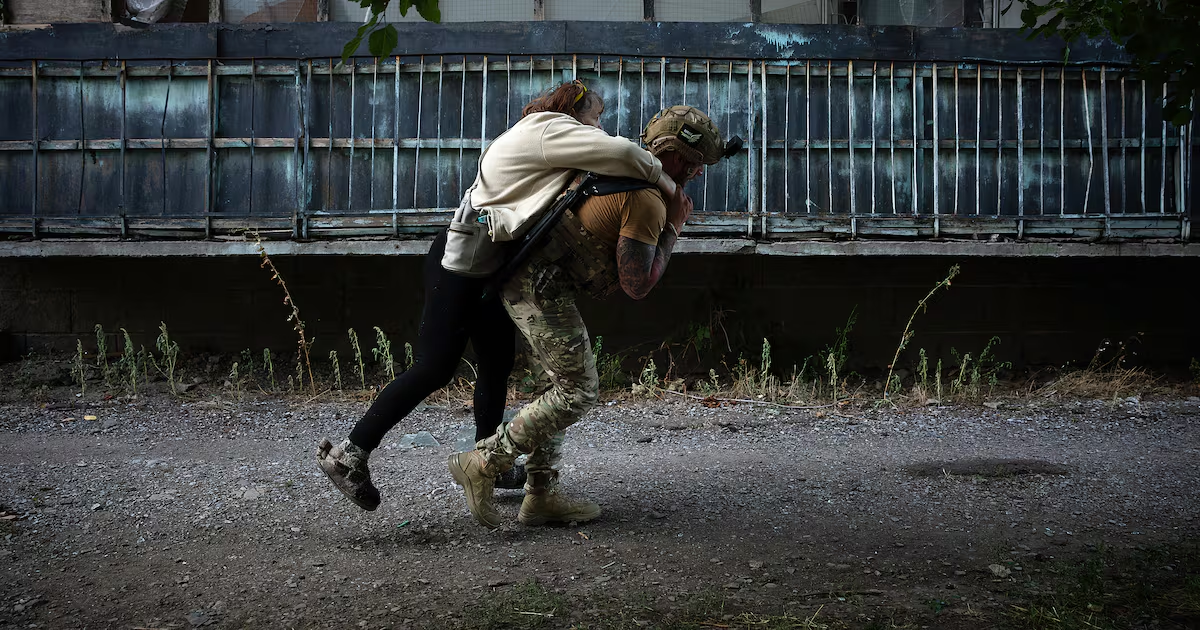
The Ukrainian military, she said, saved her life. But by then much of Kupiansk, which had a prewar population of 27,000, had departed. “In the months before I left there were a few shops working,” she said. “But that last month, almost everything closed. All the social services were evacuated.”
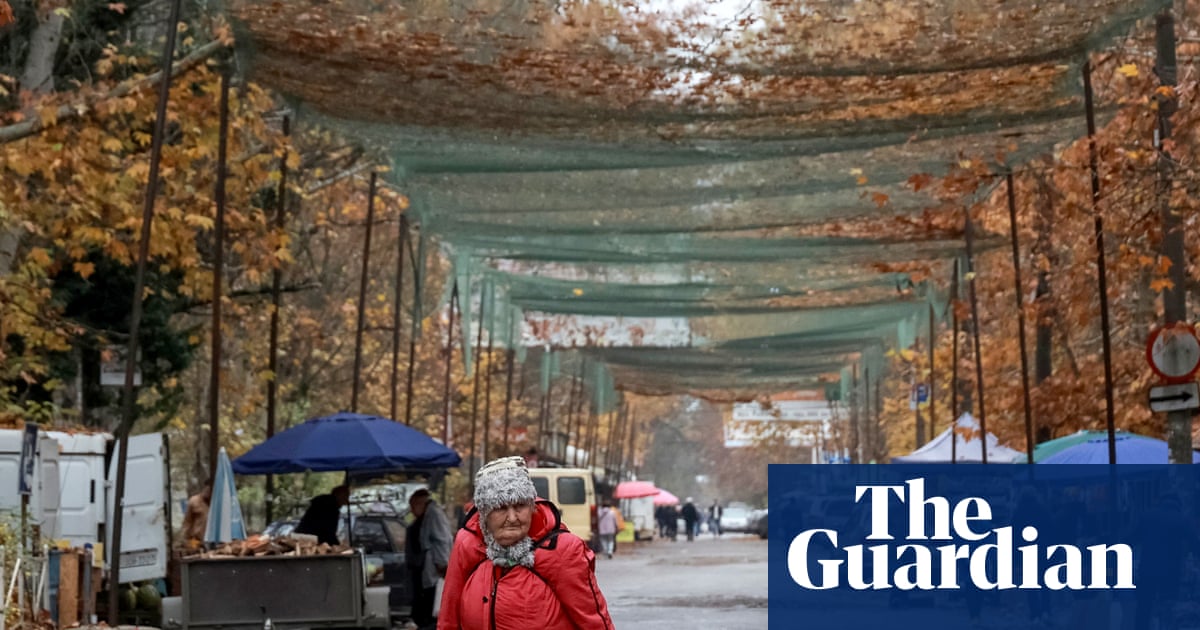
Amid the focus on the Donbas region further south and its cities, including Pokrovsk, Kupiansk in the northern Kharkiv region on the Oskil river has drawn less attention. But the slow death of Kupiansk, as it once was, dragged out over two years and more, is a metaphor for the cities of Ukraine’s frontline, ground in the teeth of Russia’s slow-moving combine of violence.