A
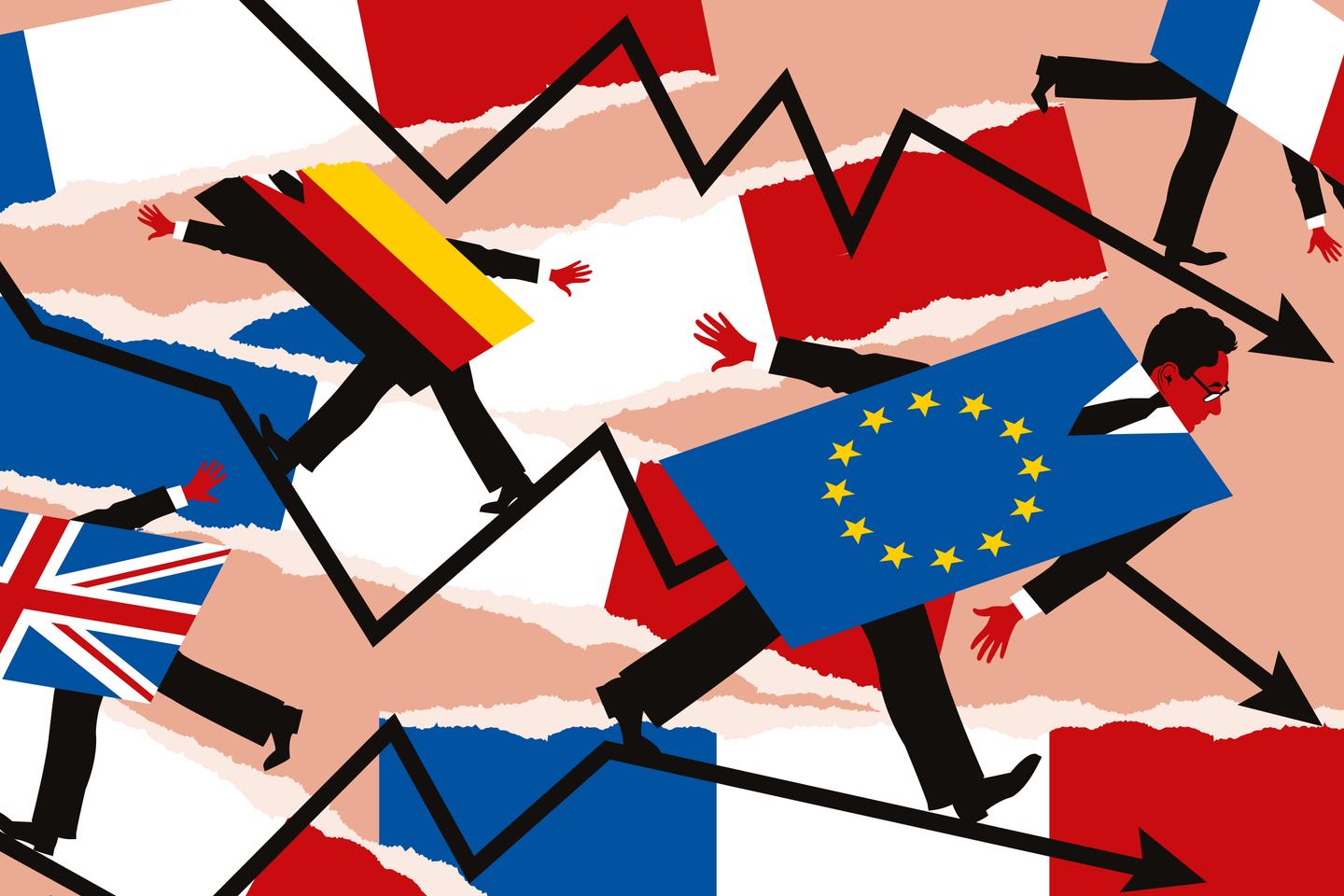
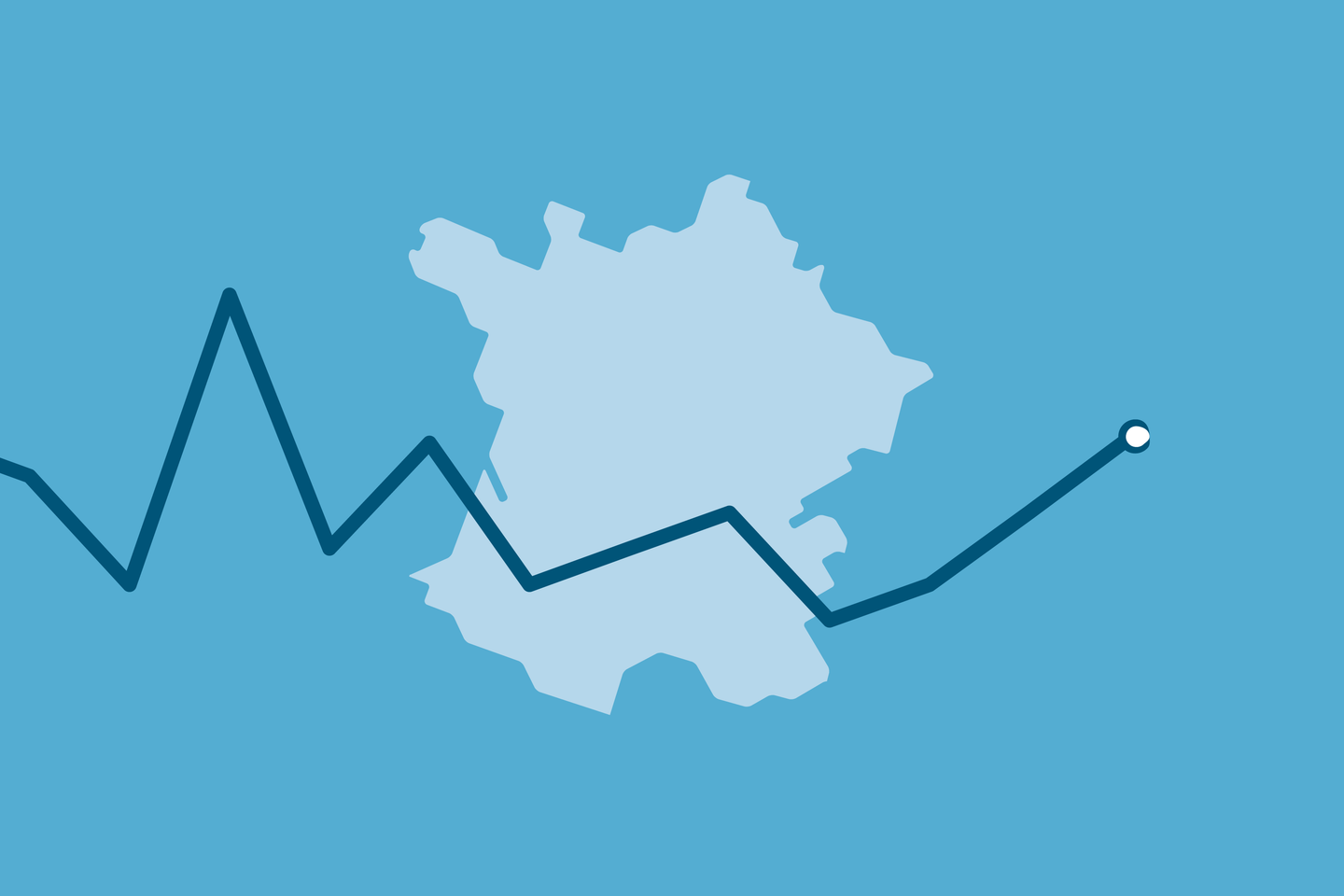
gainst all expectations, France did not fall into recession, despite the dismal political sequence that has unfolded since the dissolution of the Assemblée Nationale on June 9, 2024. While Germany's gross domestic product (GDP) has remained in negative territory for two years, French growth has stayed positive, even in a tense climate. On Thursday, October 23, the release of the national accounts was not expected to be any different: Economists anticipated a 0.2% rise in GDP in the third quarter, despite the fall of the Bayrou government and the not-quite-departure of Sébastien Lecornu. The target of 0.7% growth for the year 2025 thus appeared perfectly attainable. "We are almost surprised by the resilience of the French economy," admitted experts at the French Economic Observatory (OFCE).
So where does this weak – but real – growth come from? Clearly, public spending fueled the economy in the post-Covid-19 period, even as it deepened the deficit – which has become the elephant in the room in all political and budgetary debates. But other dynamics have continued to support GDP, if only modestly, and sometimes in counterintuitive ways.
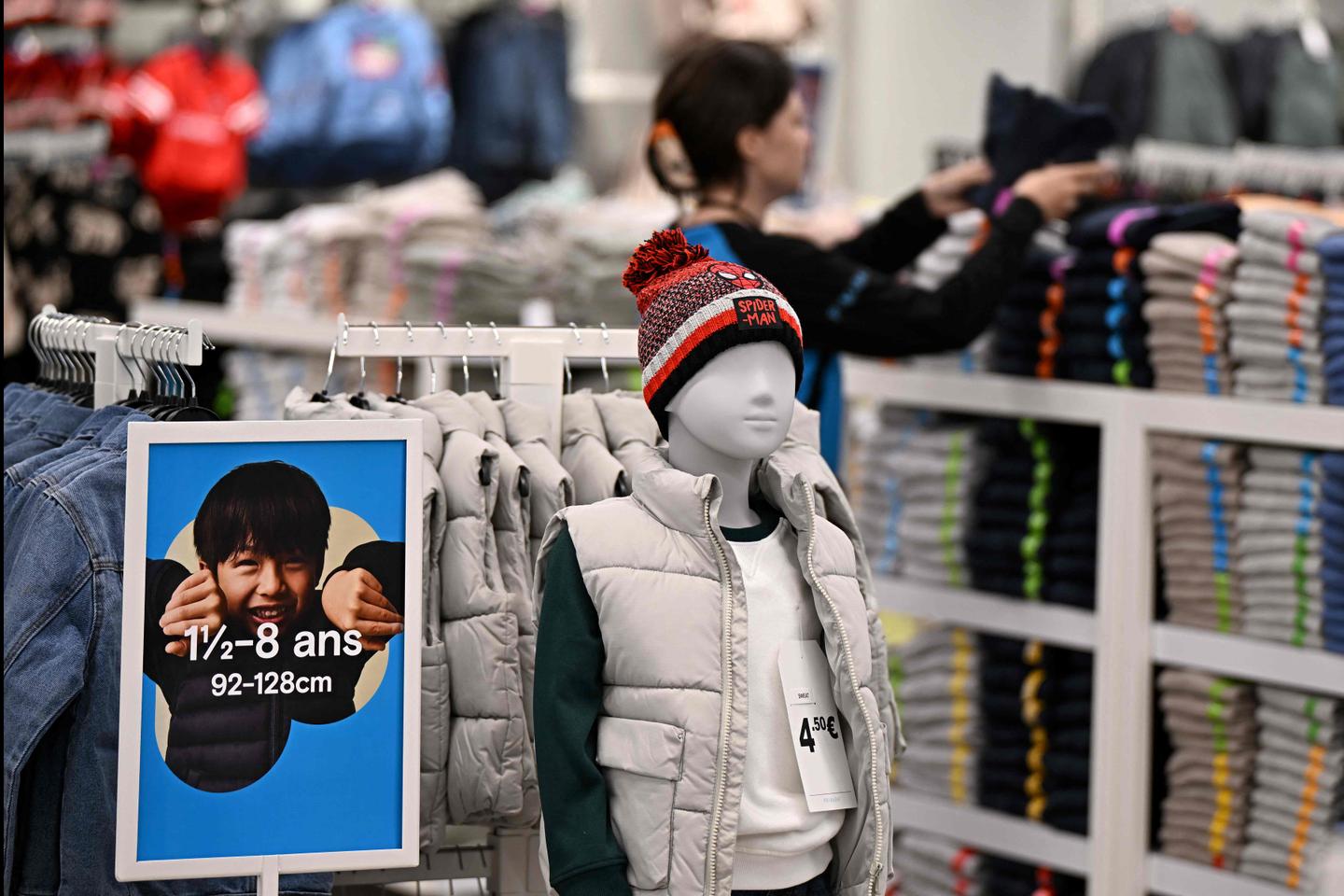
Wary after the inflation crisis and fearing possible tax hikes, households have tightened their belts, leaving consumption sluggish for the past 12 months. Companies, too, have been holding back, waiting for clearer prospects. This caution, which weighed on imports, had a positive effect: Foreign trade, contributing 2.1 percentage points to growth, helped lift the French economy in 2023 and 2024.