The year was 1965.
On a Sunday in Jaunti, a small village on Delhi's outskirts, a hardened Indian farmer stretched out his hand to a visiting farm scientist.
"Dr sahib, we will take up your seed," he said.
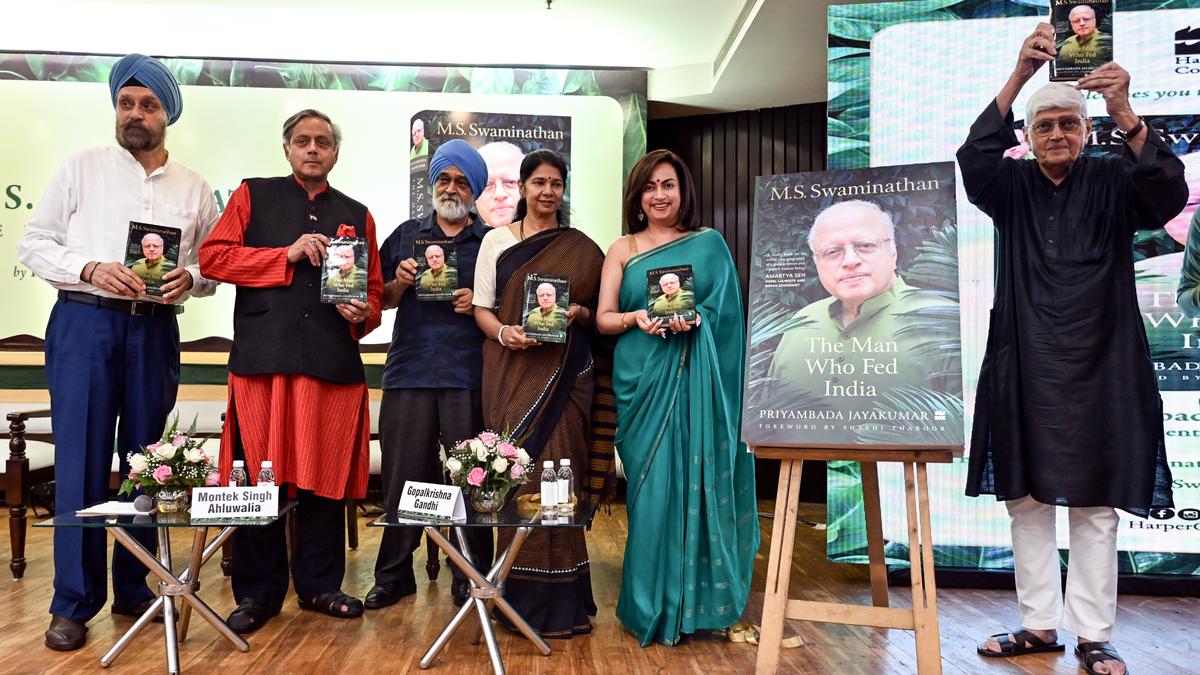
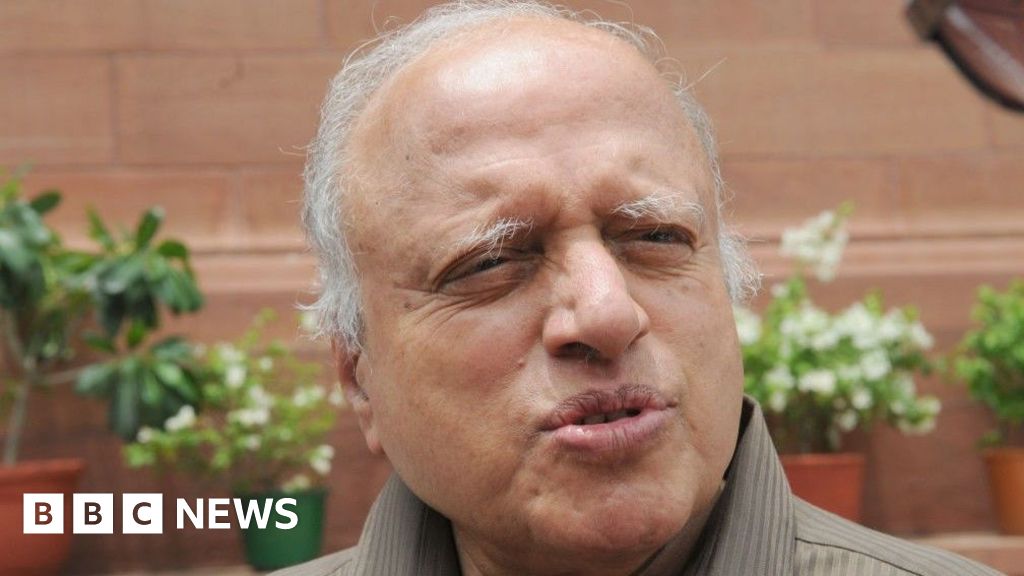
The scientist was MS Swaminathan - later hailed by Time magazine as "the Godfather of the Green Revolution" and ranked alongside Gandhi and Tagore among India's most influential figures of the 20th Century.
When Swaminathan asked what had convinced the farmer to try his experimental high-yield wheat that day, the man replied that anyone who spent his Sundays walking from field to field for his work was driven by principle, not profit - and that was enough to earn his trust.