https://arab.news/w5nz6
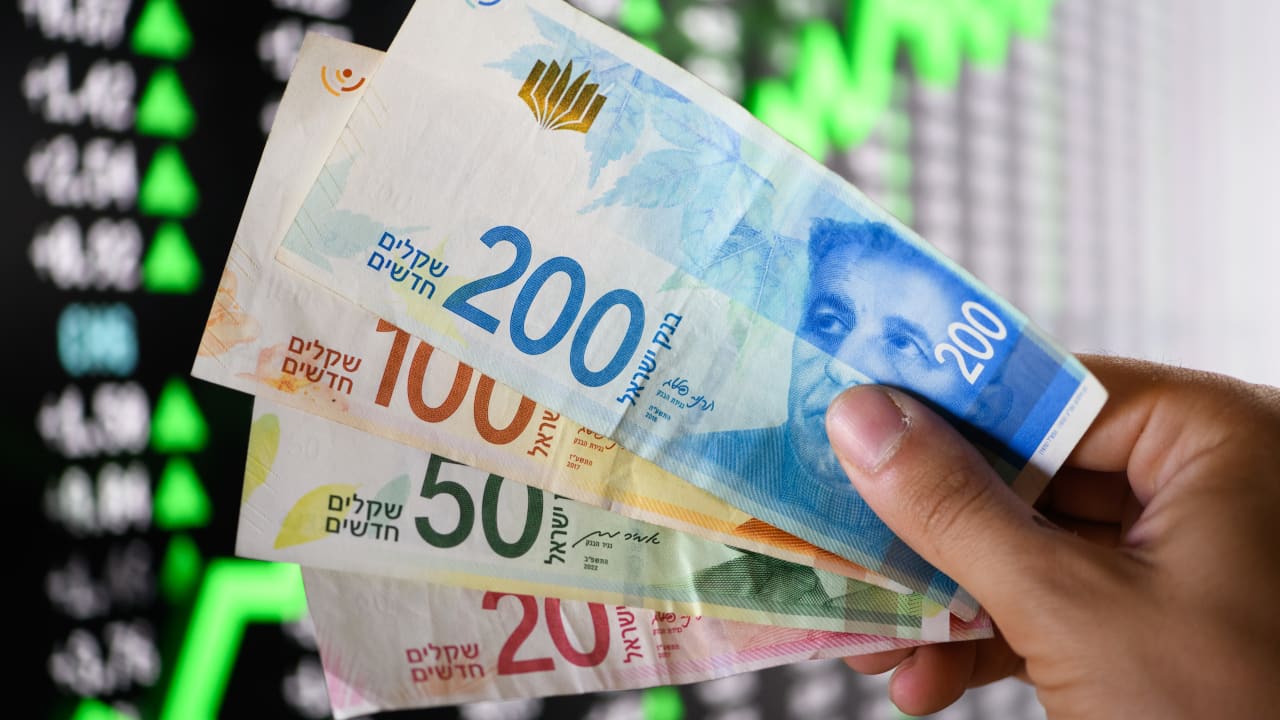
We cannot call it reparations or compensation, so let us call it a peace tax instead: a 1 percent increase in income and value added tax in an Israeli economy of more than $500 billion would go a long way toward making the Palestinian state a reality. But there is much more to it.
The idea is that Israel should make a direct contribution to help the Palestinians until they realize their own successful state institutions and develop their economy. But it is also more than that. Making it in the form of a peace tax has symbolism, because every Israeli citizen would be contributing to it with their every transaction and every tax return.
The money would go from the people of Israel to the people of Palestine. Such a generous initiative would help heal the wounds and turn the page. Two states living side by side in peace is not something outsiders can impose; they both have to want it and work for it. This intangible aspect is much stronger than anything money can buy.
All this may sound far-fetched in the present circumstances, but we must look beyond them. Elon Musk suggested something similar in conversation with Lex Fridman of The New York Times soon after the Gaza war started. He explained that Hamas did not expect a military victory over Israel on Oct. 7, the goal was to provoke an overreaction.