The chaos surrounding the inquiry stands as a warning: this is what happens when collapsing trust in public institutions, combined with point scoring, leads to paralysis
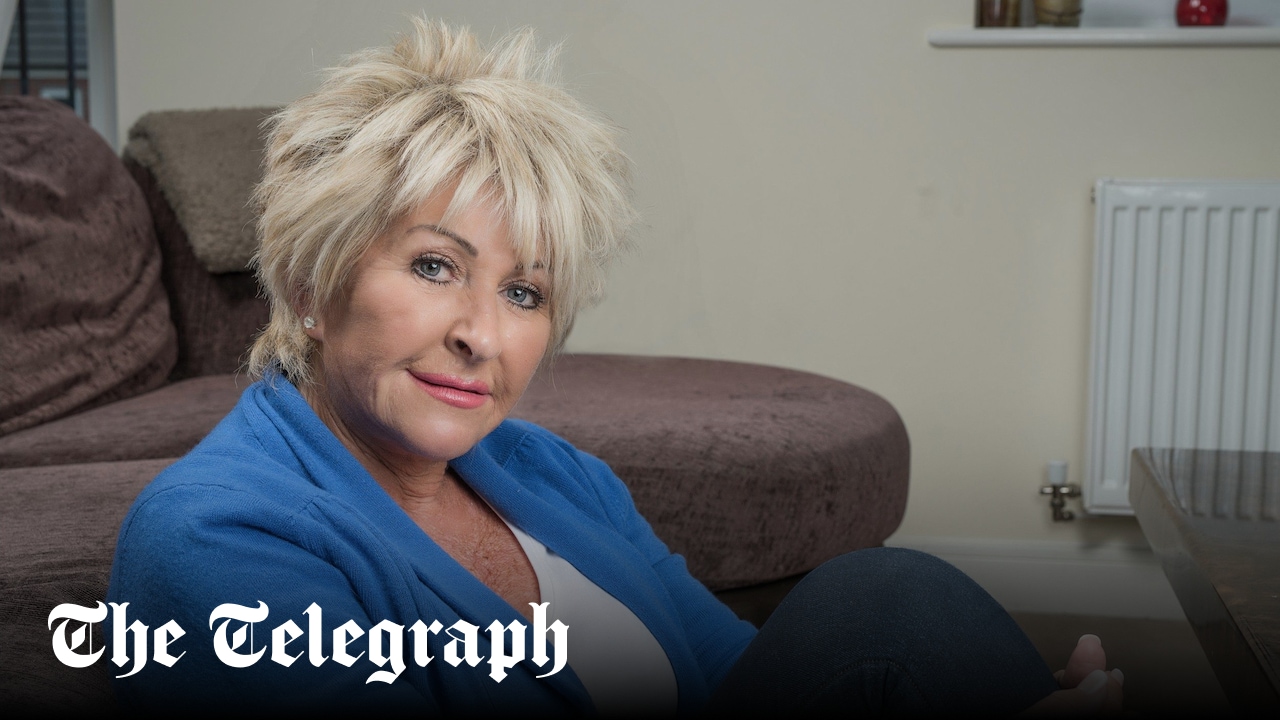
In the early hours of the morning, the cars would pull up outside the Bradford children’s home where Fiona Goddard lived as a teenager.
Staff were worried about the men coming to collect her – records show she was felt to be “at high level of risk from unknown males” – but the policy was not to go to the police unless a child’s behaviour became concerning or she was seen being actively “dragged into a car”.
And that’s how a 14-year-old ends up being groomed and repeatedly raped, under the noses of the adults charged with protecting her, by a gang who were finally convicted only when she was in her mid-20s. It took another two years for Bradford council to publish the findings of a review showing just how badly the victims had been failed by multiple agencies.
It’s hard to imagine the courage it must have taken to rebuild her life, waive her anonymity, and ultimately join the survivors’ panel advising a promised national inquiry into so-called grooming gangs. Which makes it all the more distressing that this week, Fiona Goddard and three other panel members quit, arguing that they no longer trusted the government, the process or the two shortlisted chairs for the inquiry.