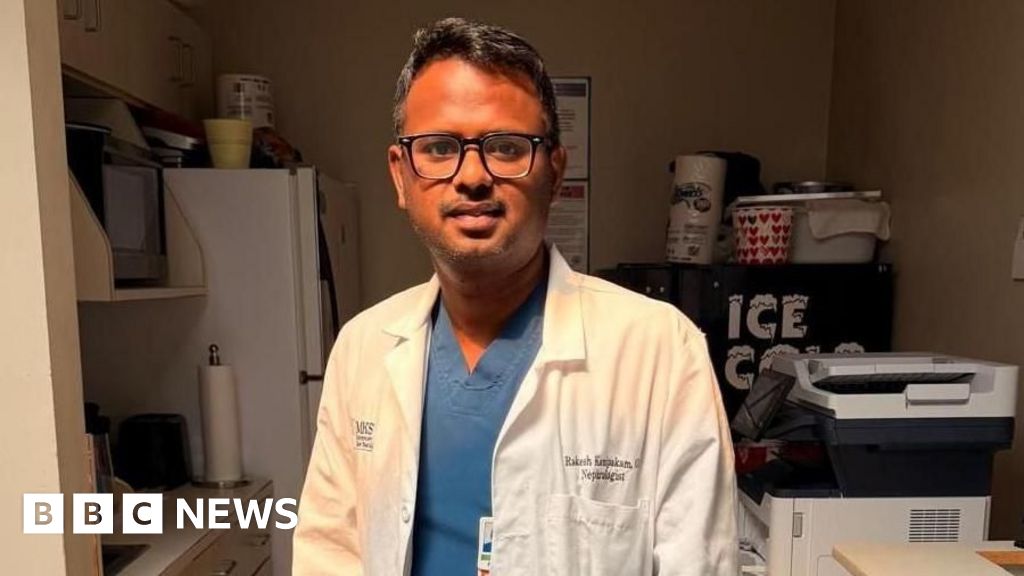
Dr Mahesh Anantha is one of the few interventional cardiologists for miles around Arkansas's Batesville area, a rural pocket of the US.
Surrounded by farmland and a smattering of small industries and banks, the pastoral town with a population of some 11,000 people serves as a hub for nearby villages and cities, making Dr Anantha's often lifesaving practice indispensable.
"There is no other medical facility around for an hour or two's drive, so people rely on us for everything," he says.
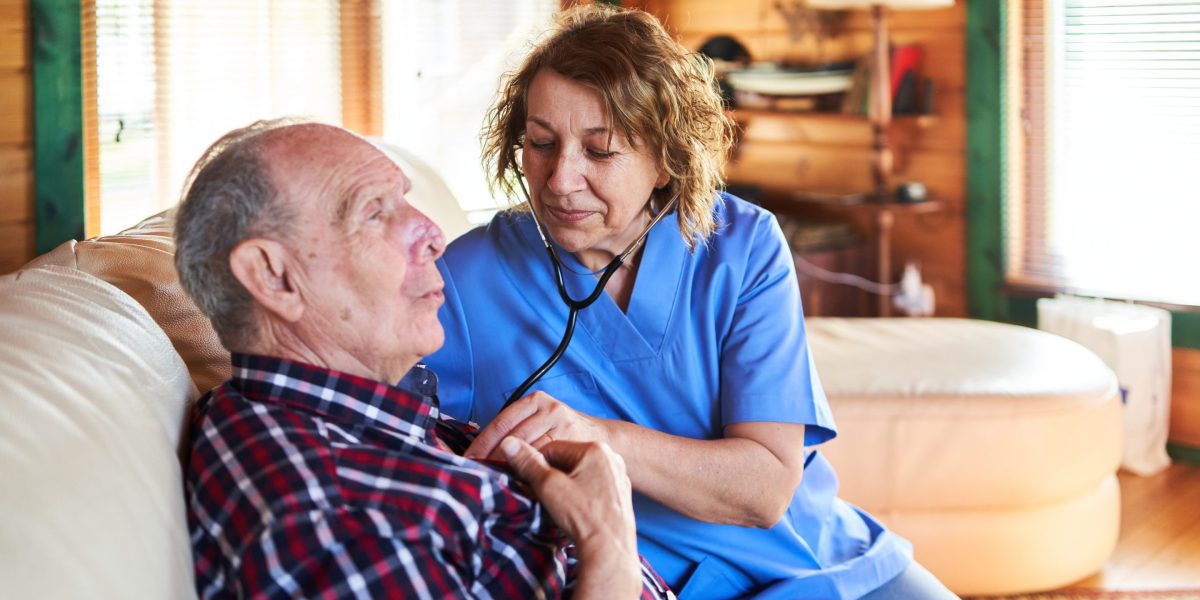
A gold medallist from Madras Medical College in southern India, Dr Anantha is among thousands of immigrant doctors working in small and remote towns in the US.
Twenty-five percentage of doctors providing care in the US are foreign-trained. Recent data shows that 64% of them practise in the vast underserved rural areas where American graduates are reluctant to work, filling a crucial gap in the country's healthcare system. Many of these doctors are on H-1B visas and some even spend their entire careers on them as they wait for a green card, making them vulnerable to unexpected job losses and long-term instability.