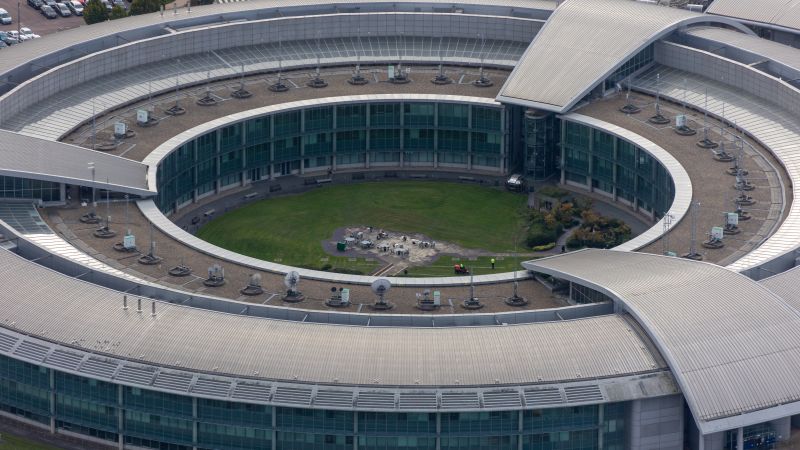
Anne Keast-Butler says government and business must to work together to tackle future attacks as AI makes cybercrime easier
Companies need to do more to mitigate the potential effects of cyber-attacks, the head of GCHQ has said, including making physical, paper copies of crisis plans to use if an attack brings down entire computer systems.
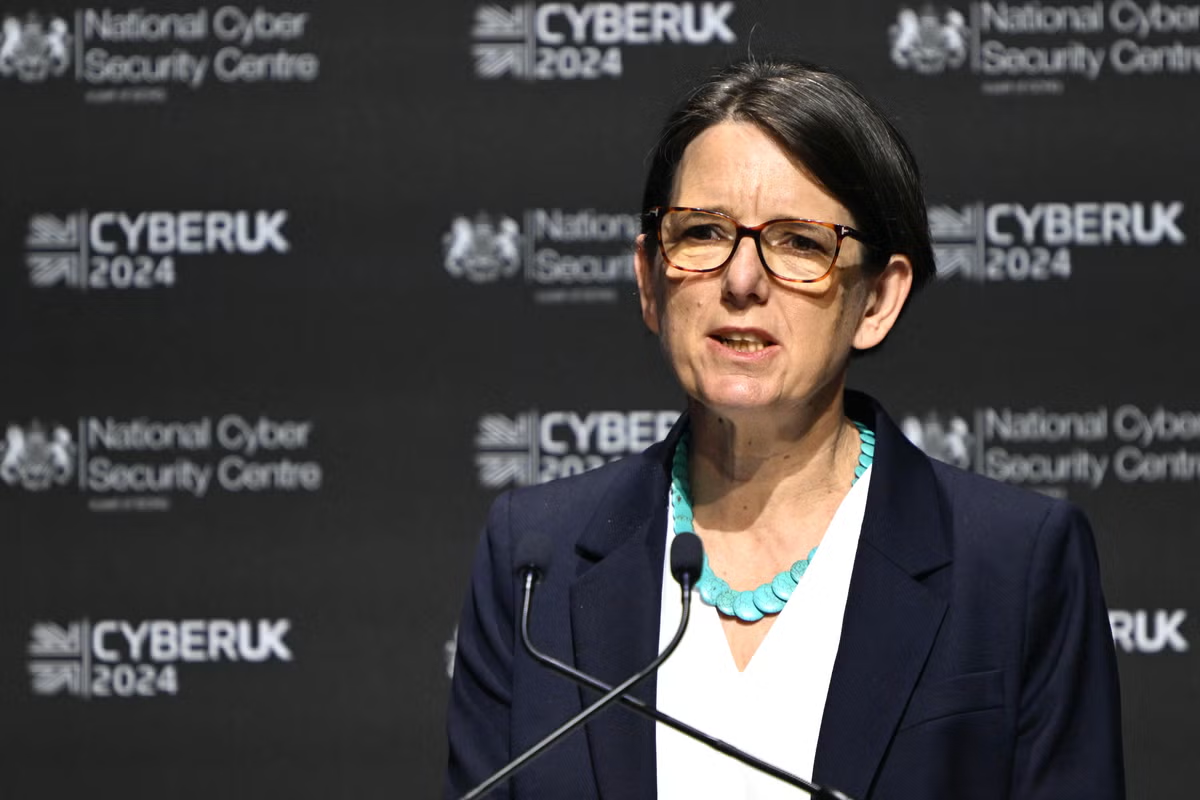
“What are your contingency plans? Because attacks will get through,” said Anne Keast-Butler, who has headed GCHQ, the British government’s cyber and signals intelligence agency, since 2023.
“What happens when that happens to you in a company, have you really tested that?” said Keast-Butler, speaking on Wednesday at a London conference organised by the cybersecurity company Recorded Future. “Your plans … have you got them on paper somewhere in case all your systems really go down? How will you communicate with each other if you’re completely reliant on a system that actually you shut down?”
Last week, the National Cyber Security Centre, which is part of GCHQ, announced figures showing that “highly significant” cyber-attacks have risen by 50% in the past year. Security and intelligence agencies are now dealing with a new attack several times per week, the figures showed.