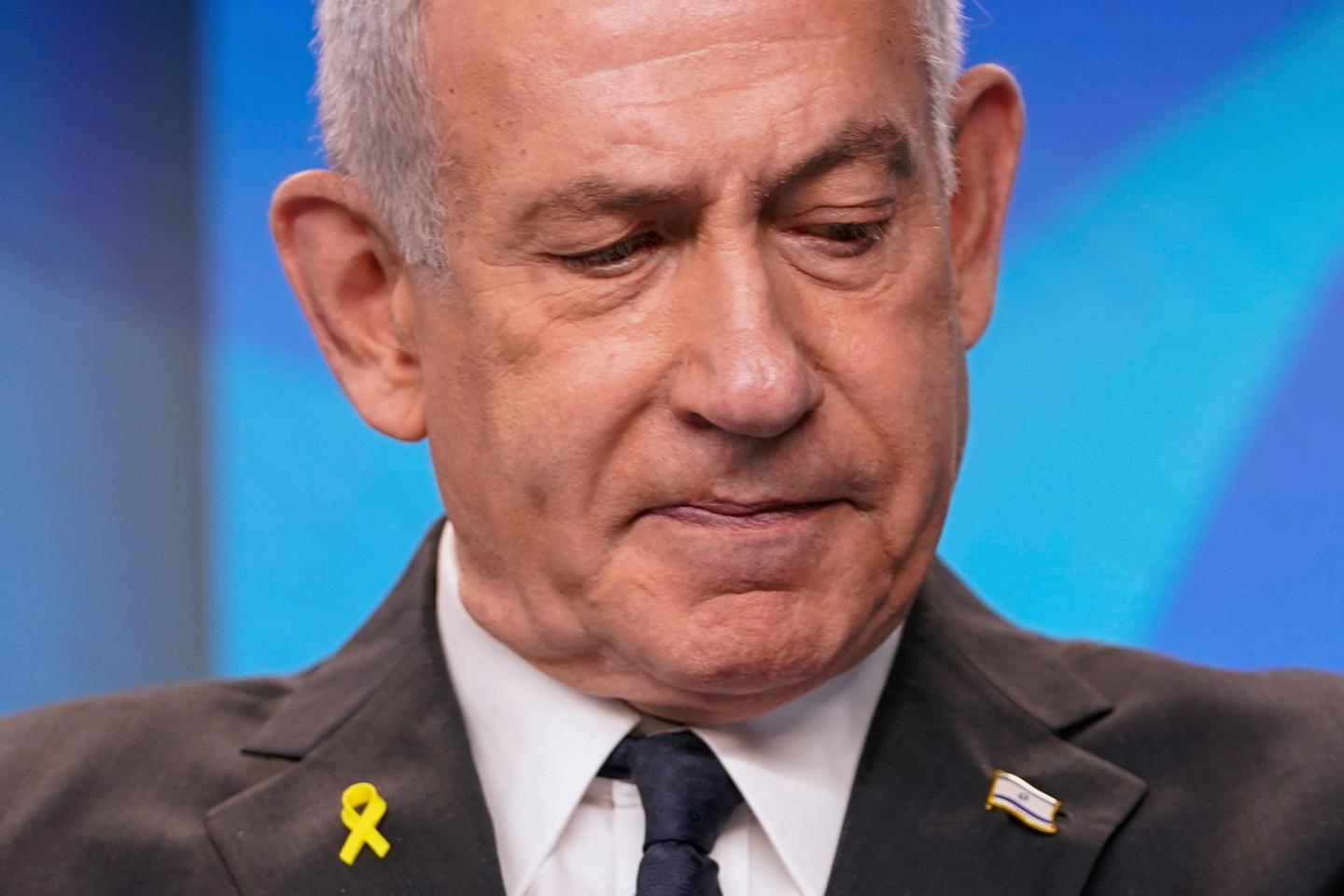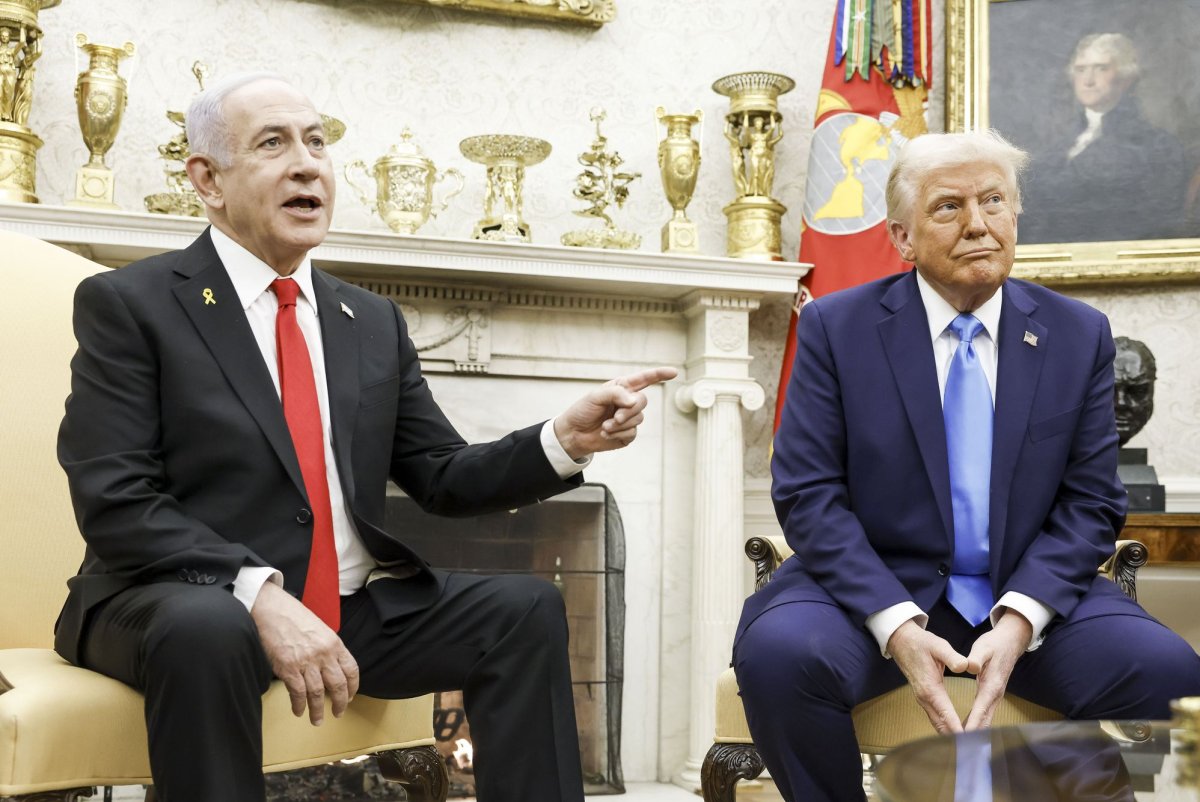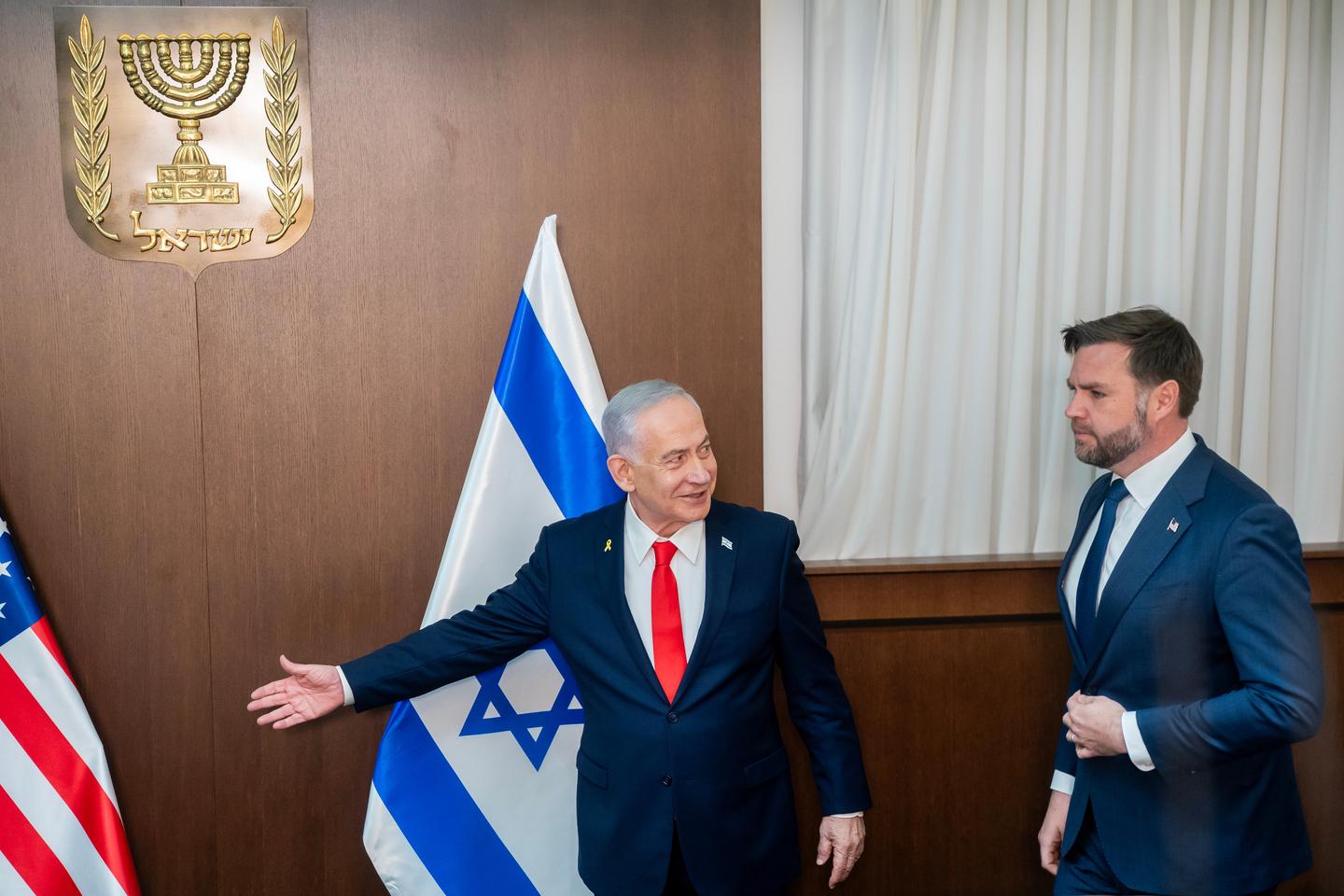
Israeli Prime Minister Benjamin Netanyahu and US Vice President JD Vance in Jerusalem, October 22, 2025. NATHAN HOWARD / AP
To what extent could the United States exercise oversight over Benjamin Netanyahu? Since Monday, October 20, senior American officials have held repeated meetings with Israeli leaders to advance the Gaza peace plan promoted by US President Donald Trump and to reduce the risk that Netanyahu might derail the process.
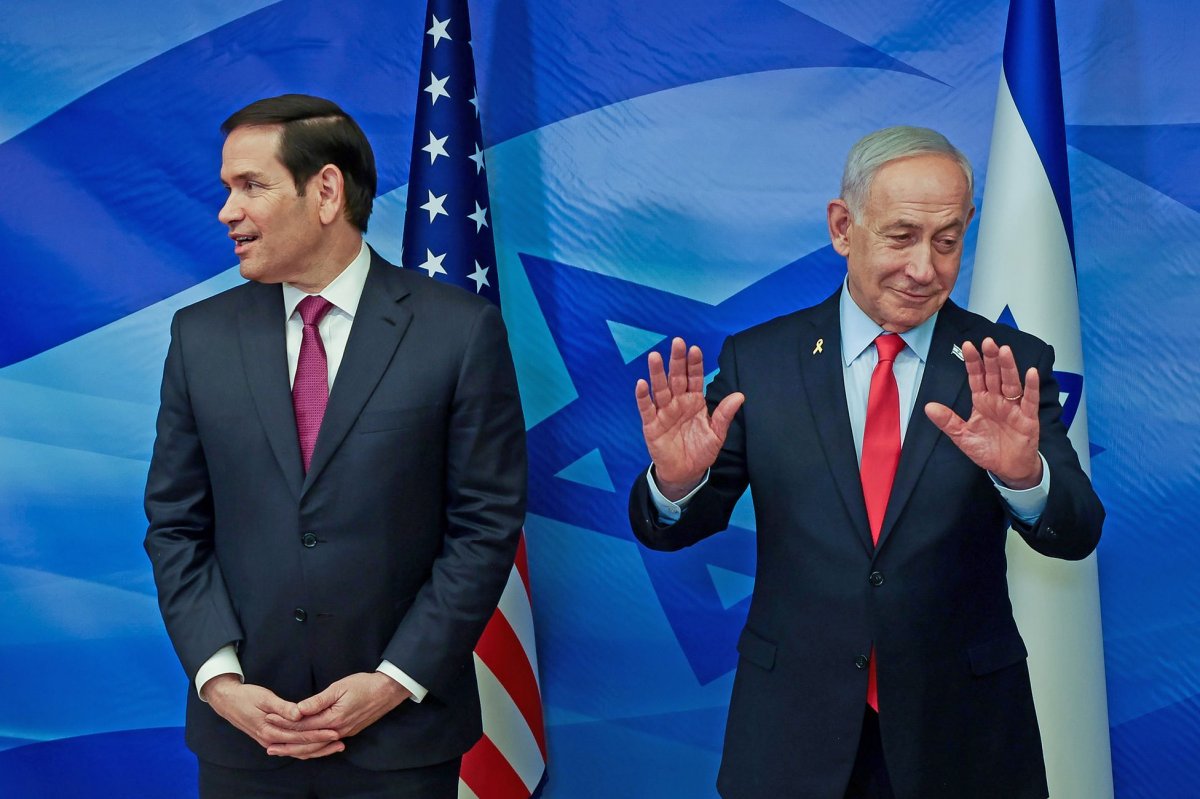
After meetings led by Trump's representatives Steve Witkoff and Jared Kushner, Vice President JD Vance met on Wednesday with the prime minister and senior officials, including the chief of the General Staff. Secretary of State Marco Rubio was also due to arrive in Jerusalem on Thursday to maintain the pressure. Before boarding his flight to Israel, he set the tone by calling the Knesset's preliminary vote on Wednesday on a law to annex the West Bank to Israel "counterproductive."
This political and diplomatic sequence is unprecedented in a country where Trump has become hugely popular after securing a ceasefire and the release of the last 20 living hostages, despite opposition from the Israeli government, which remains entrenched in its military strategy. "Israel seems to have become America's 51st state," wrote Israel Hayom, a right-wing newspaper, observing that the country "is now dependent on the US on a level never seen before." Ynet, the website of Israel's leading center-right daily, used a biting play on words, referring to "Bibi-sitting" – a blend of "baby-sitting" and "Bibi," Netanyahu's nickname – to describe Israel's subservience to the US.