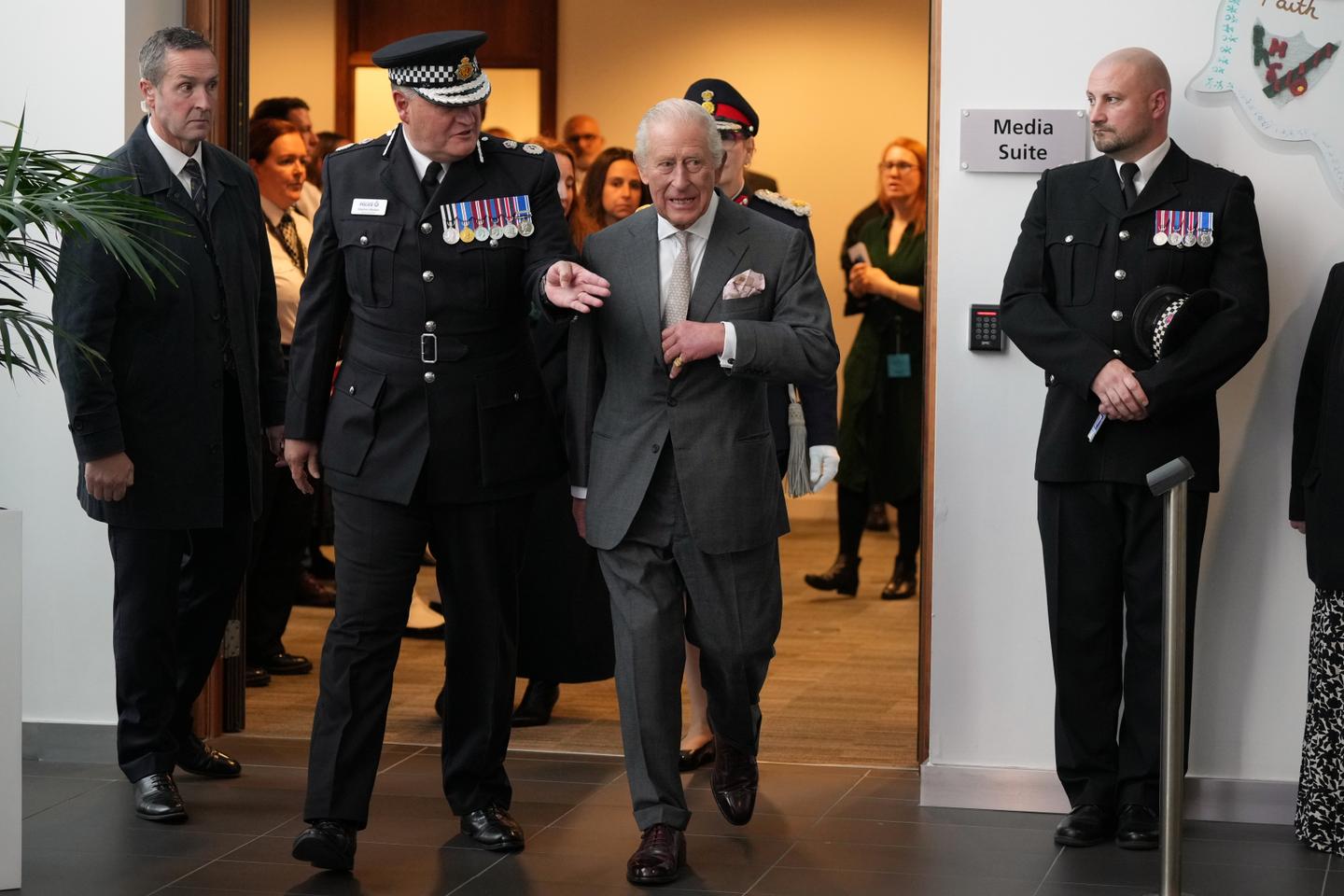
King Charles III meets emergency service personnel at the Greater Manchester Police headquarters in Manchester, United Kingdom, on October 20, 2025. ALASTAIR GRANT / AP
The personal destinies of monarchs have often shaped those of nations. Henry VIII's led to the birth of a new religion in the 16th century. Wanting to divorce his wife, Catherine of Aragon, and marry his mistress, Anne Boleyn, the English monarch sought annulment from Pope Clement VII. His request was denied. The king divorced regardless and was excommunicated in 1534. As a result, the English sovereign proclaimed the Acts of Supremacy, naming himself the sole and supreme head of the Church of England, thus creating Anglicanism. Today, this denomination claims around 110 million followers, well beyond the borders of the United Kingdom.
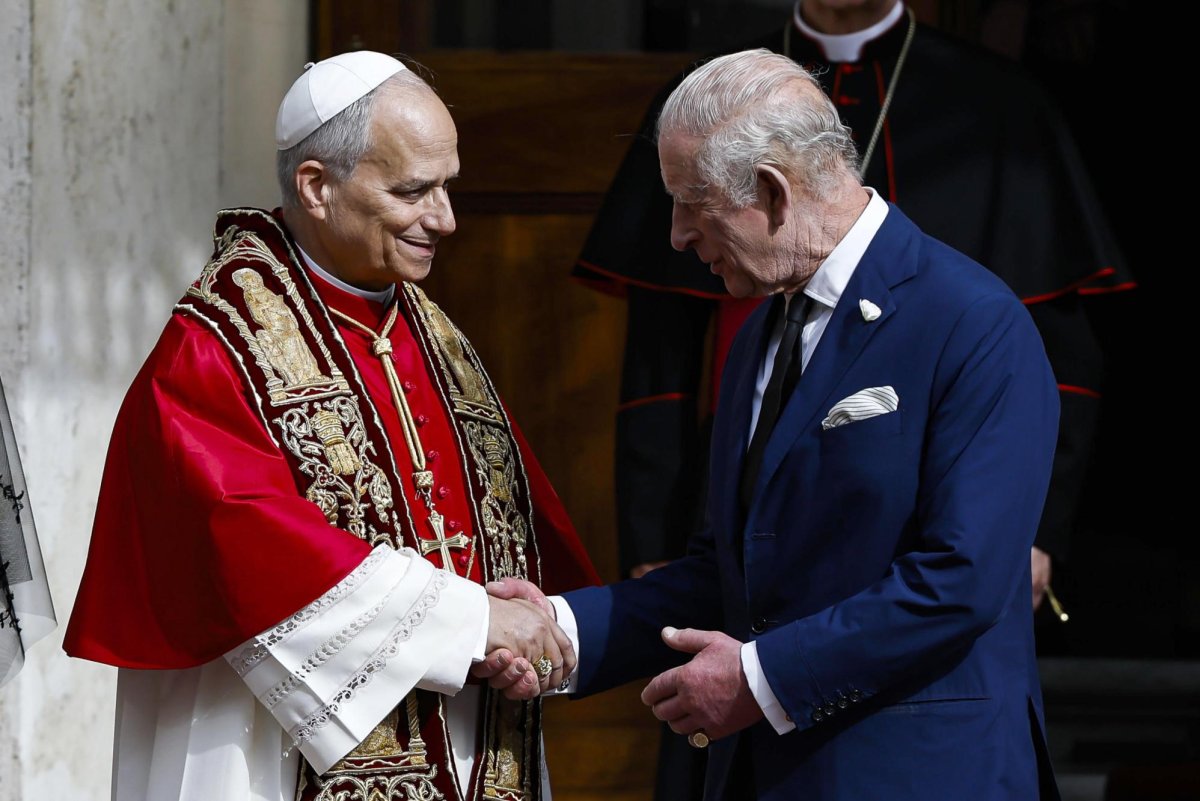
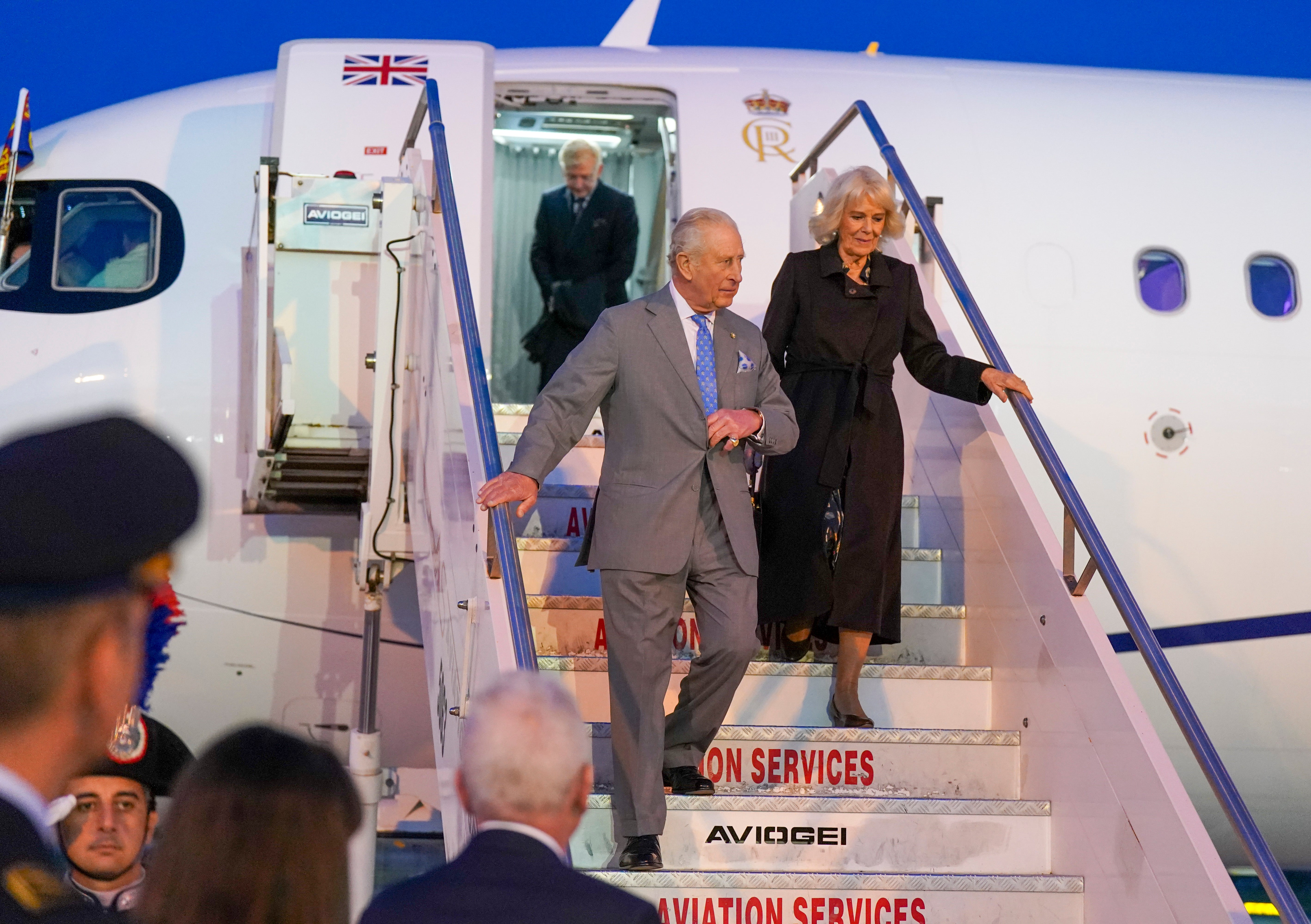
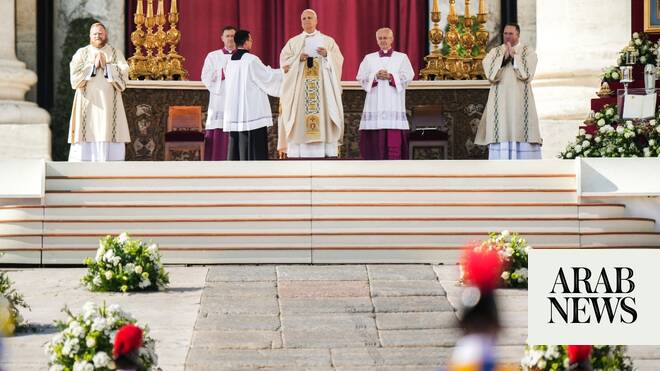
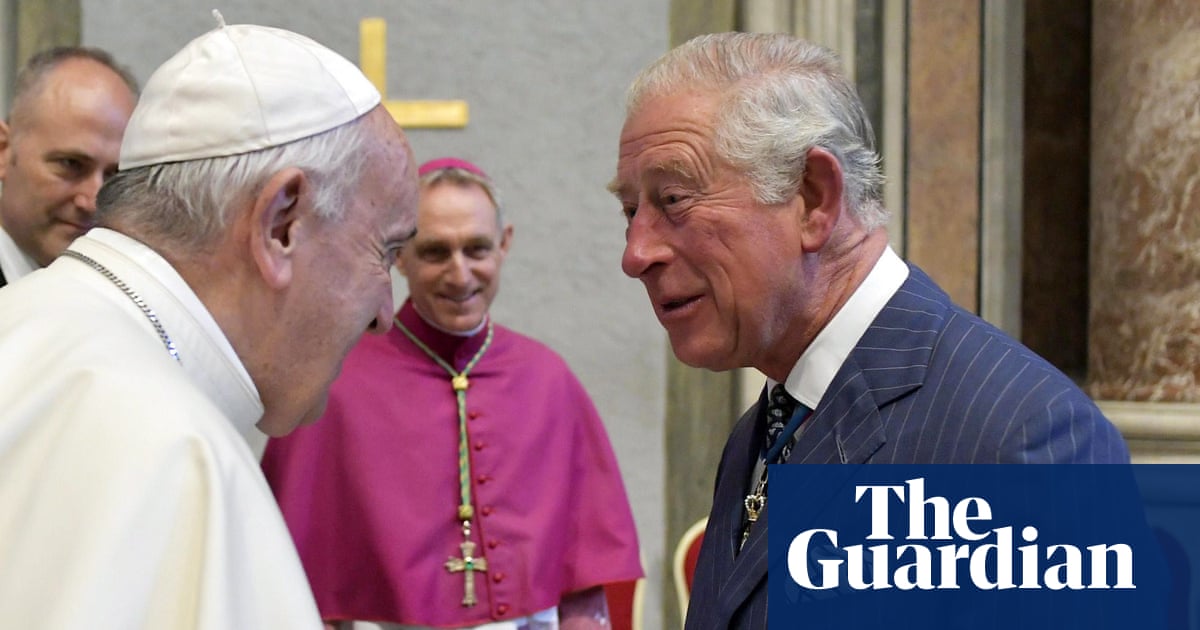
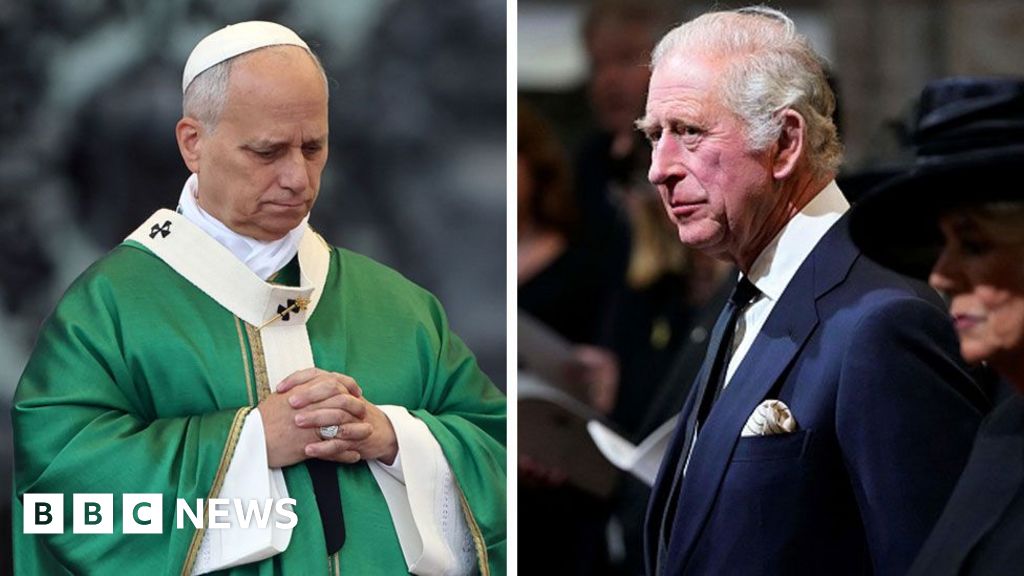
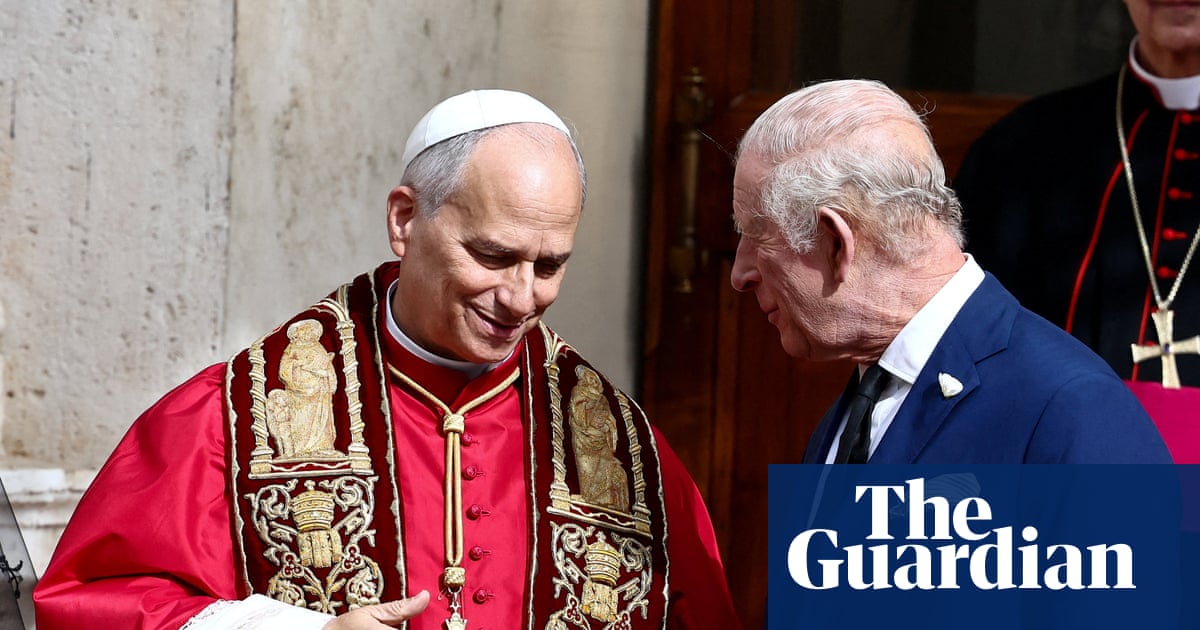
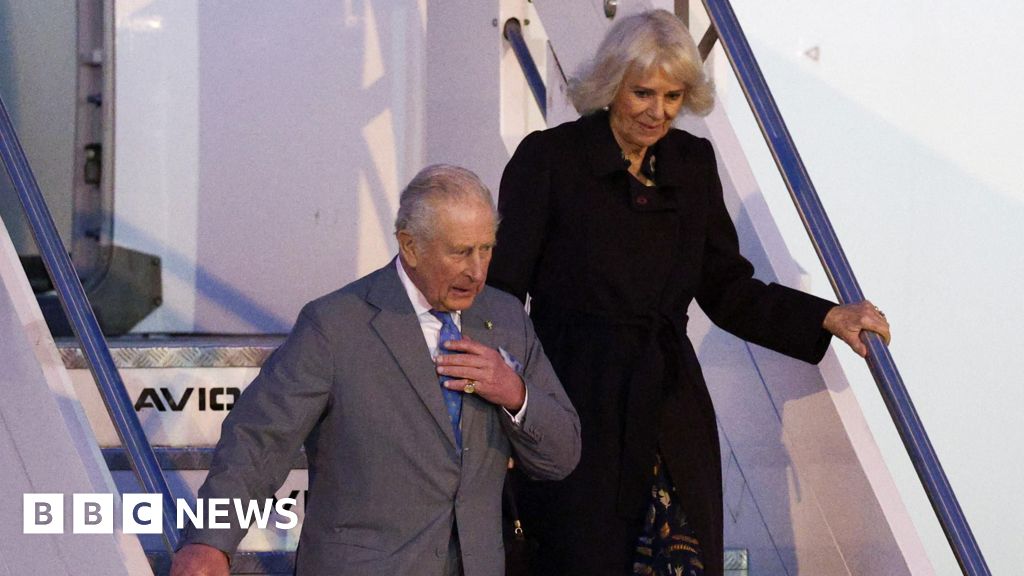
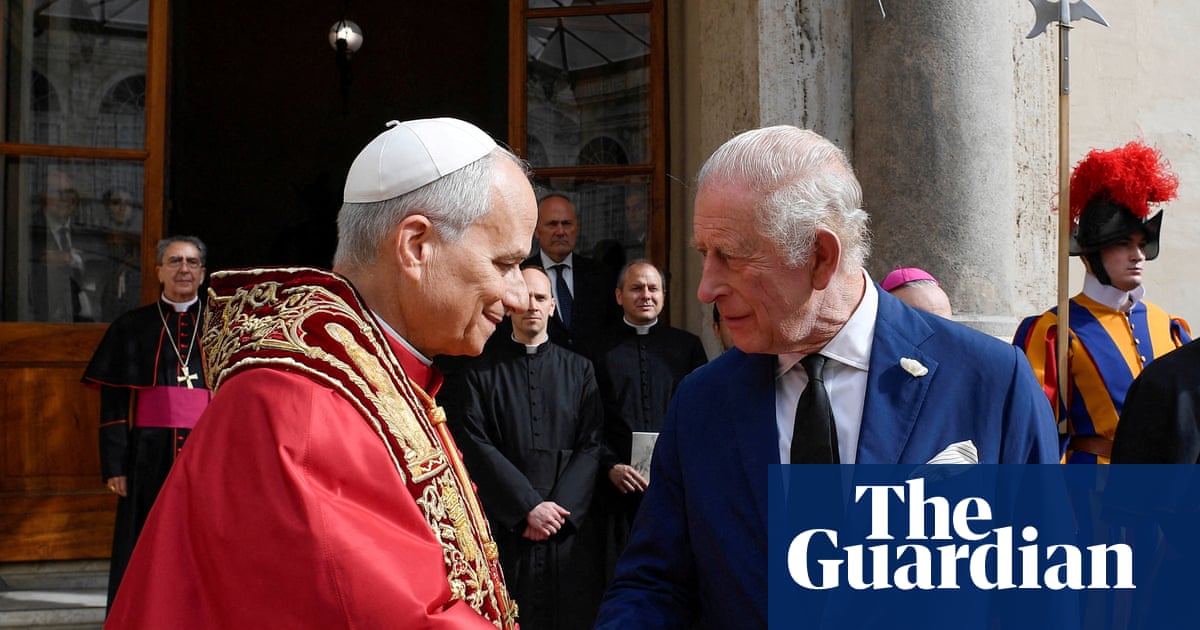
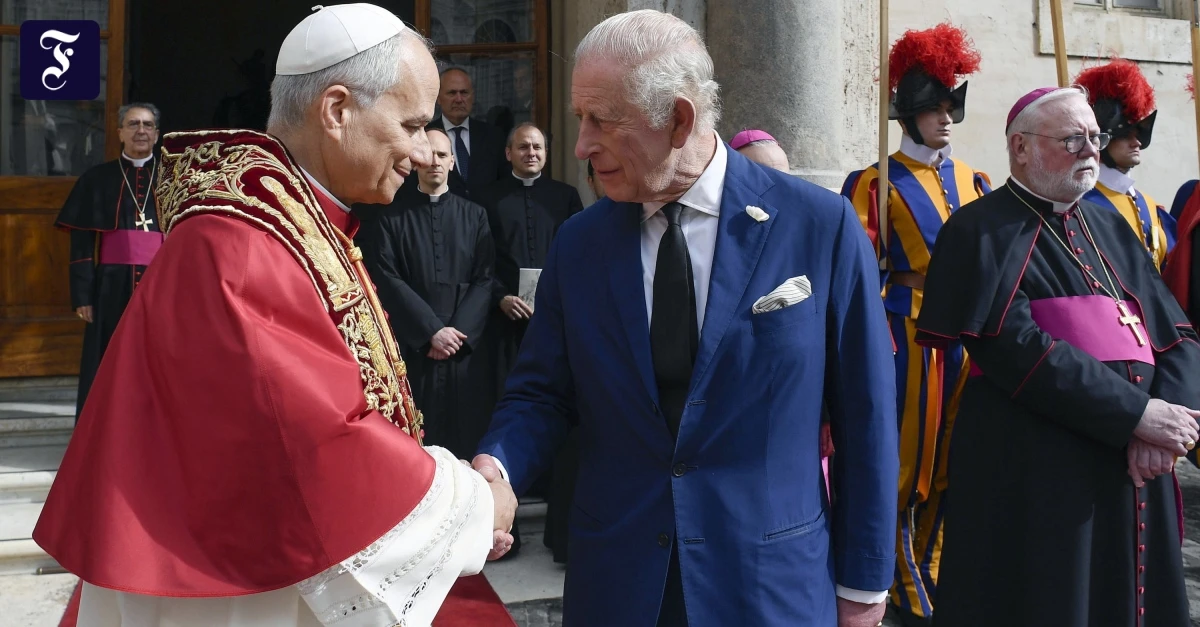
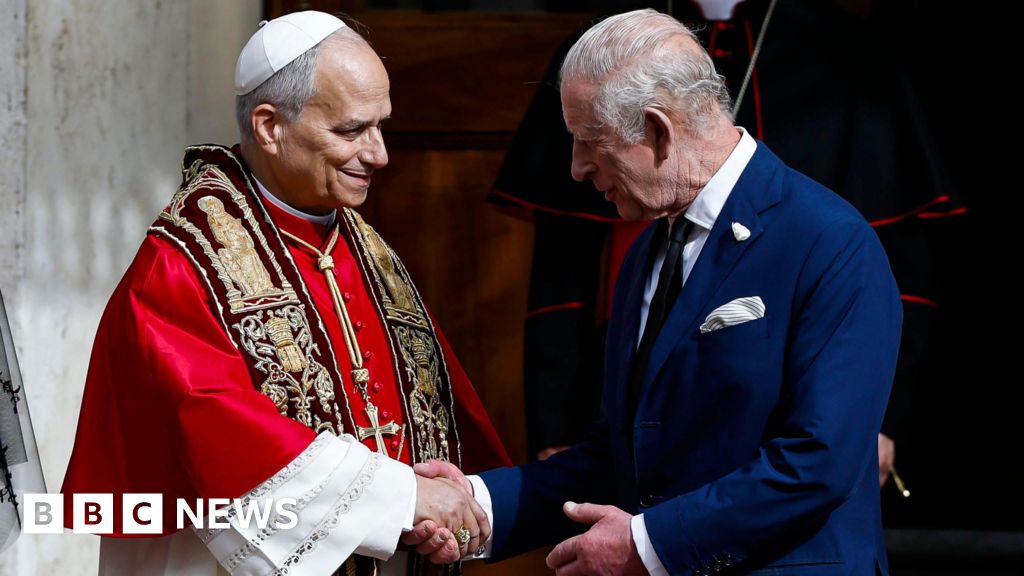
It is the history of this schism that will weigh heavily on King Charles III's shoulders when he enters the Sistine Chapel on Thursday, October 23, to pray with Pope Leo XIV. On a state visit to the Vatican with his wife, Camilla, on Wednesday and Thursday, the king will be making a historic gesture that, without undoing the separation between the two churches, will bring them closer than they have been in five centuries.