Jeremy Allen White (as Bruce Springsteen) in 'Springsteen: Deliver Me from Nowhere,' directed by Scott Cooper. 20TH CENTURY STUDIOS
Le Monde's Opinion – Why Not
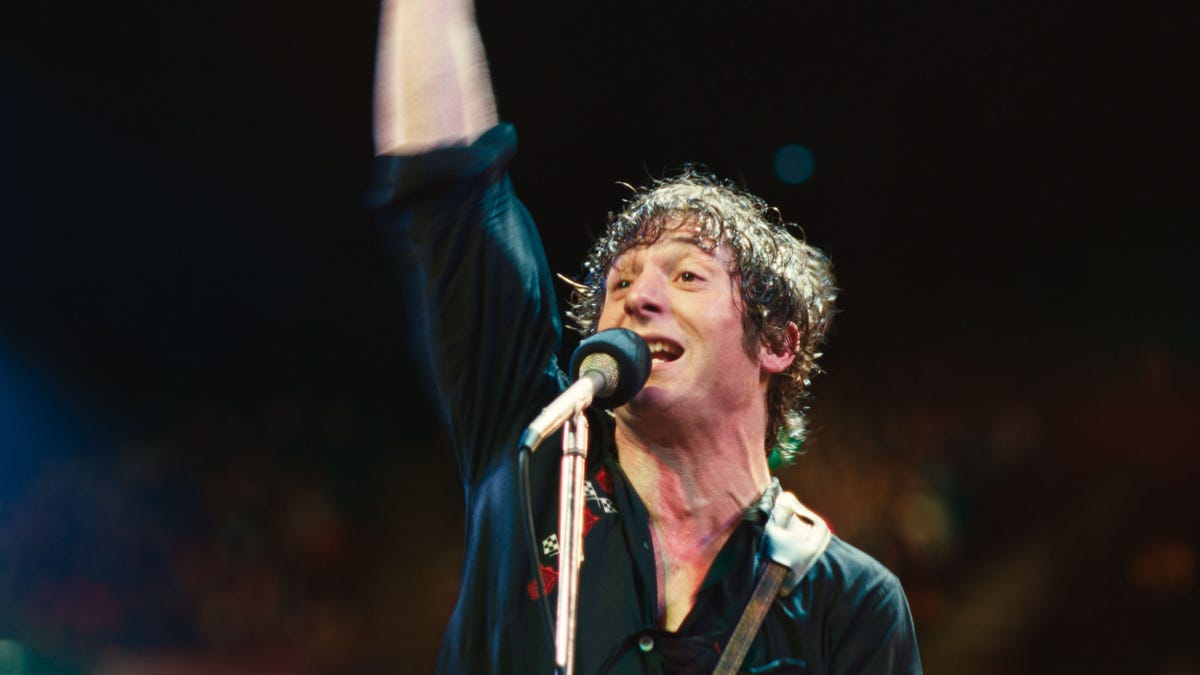
Within the biopic genre, a more sophisticated subgenre abandons sweeping narratives and focuses on a specific moment of artistic creation. In this vein, one might cite A Complete Unknown (directed by James Mangold), which captures Bob Dylan's electric transition, or, released on October 8, Nouvelle Vague (directed by Richard Linklater), which meticulously recounts the filming of Jean-Luc Godard's À bout de souffle (Breathless, 1960). Now, Springsteen: Deliver Me from Nowhere, directed by Scott Cooper, zeroes in on the making of the album Nebraska (1982), which was conceived while the artist was wrestling with profound depression.
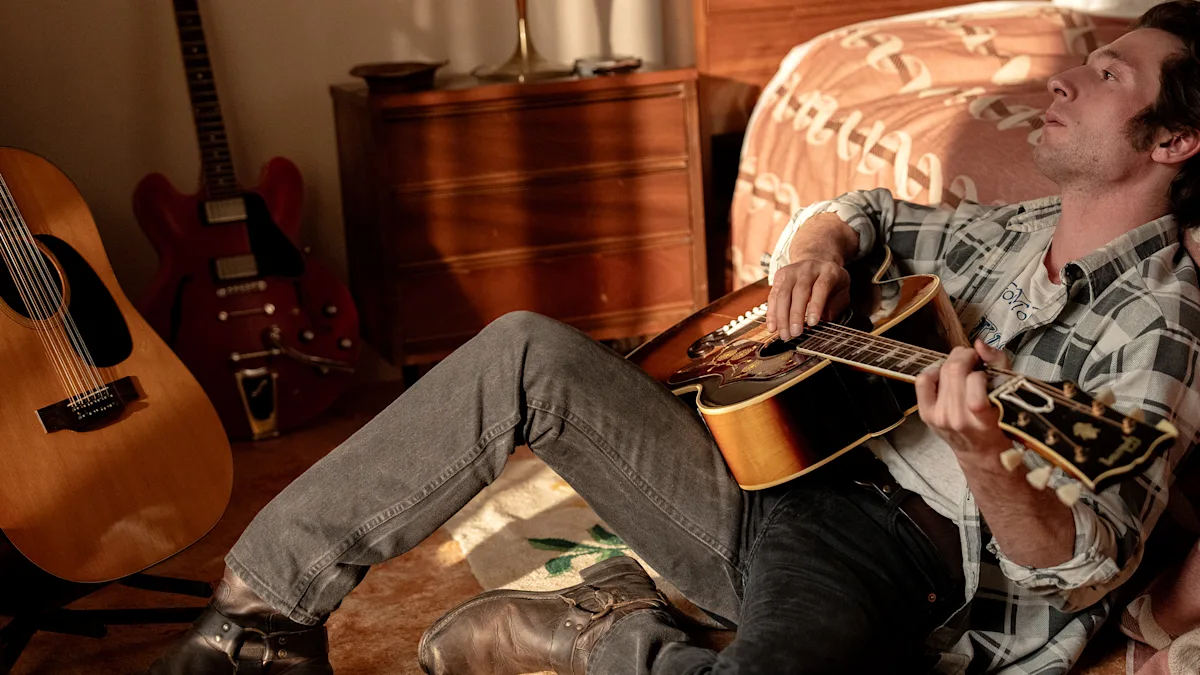
Wedged between two landmark albums, The River (1980) and Born in the USA (1984), Nebraska was Springsteen's introspective, folk counterpoint at a time when "The Boss" was on the verge of becoming a stadium rock superstar. The film portrays the singer turning inward and showing little interest in enjoying his fame. Holed up in his apartment, he is haunted by old demons, endlessly rewatching Terrence Malick's Days of Heaven (1978) and listening in awe to "Frankie Teardrop" by the band Suicide. Amid his turmoil, inspiration returns: Springsteen writes, strums his guitar and records his tracks on a four-track tape recorder – later insisting that these home recordings be used as is for the album.