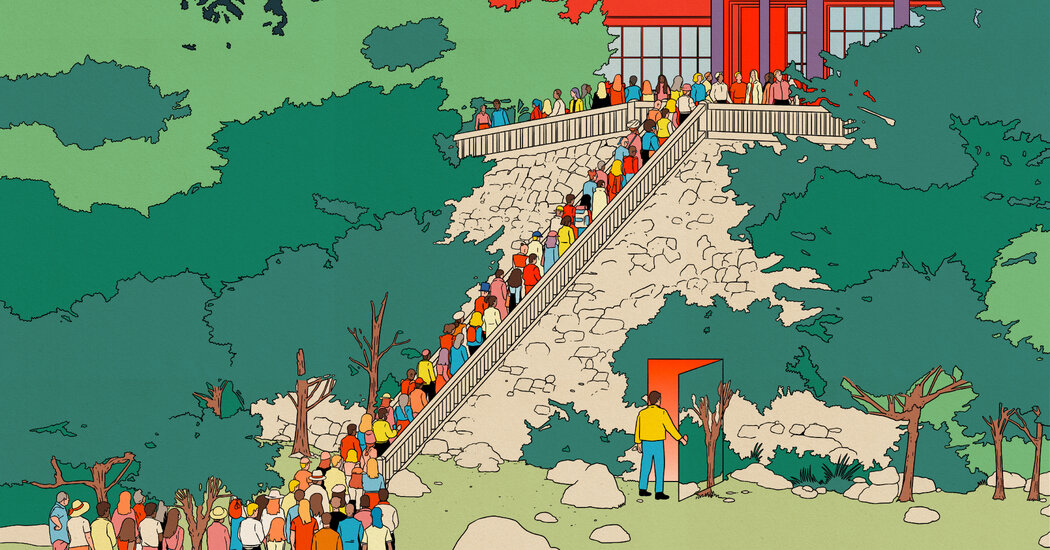
A few years ago, a colleague advanced a theory on how to operate in the travel-sphere: be a Giver. There are Givers, she said, and there are Hoarders. The former, inclined to see intelligence-sharing as an act of munificence rather than one of self-sabotage, are generally helpful when a colleague, reader or follower wants a recommendation or opinion. The latter don’t share much of anything. No coordinates, no contacts. When they travel they post only the most oblique hints – un-geo-tagged visual teases, lofty comments extolling a place without ever naming it. The especially smug ones might tack on a #iykyk, to hammer home to those who #dk just how much of a zero-sum game it all is.
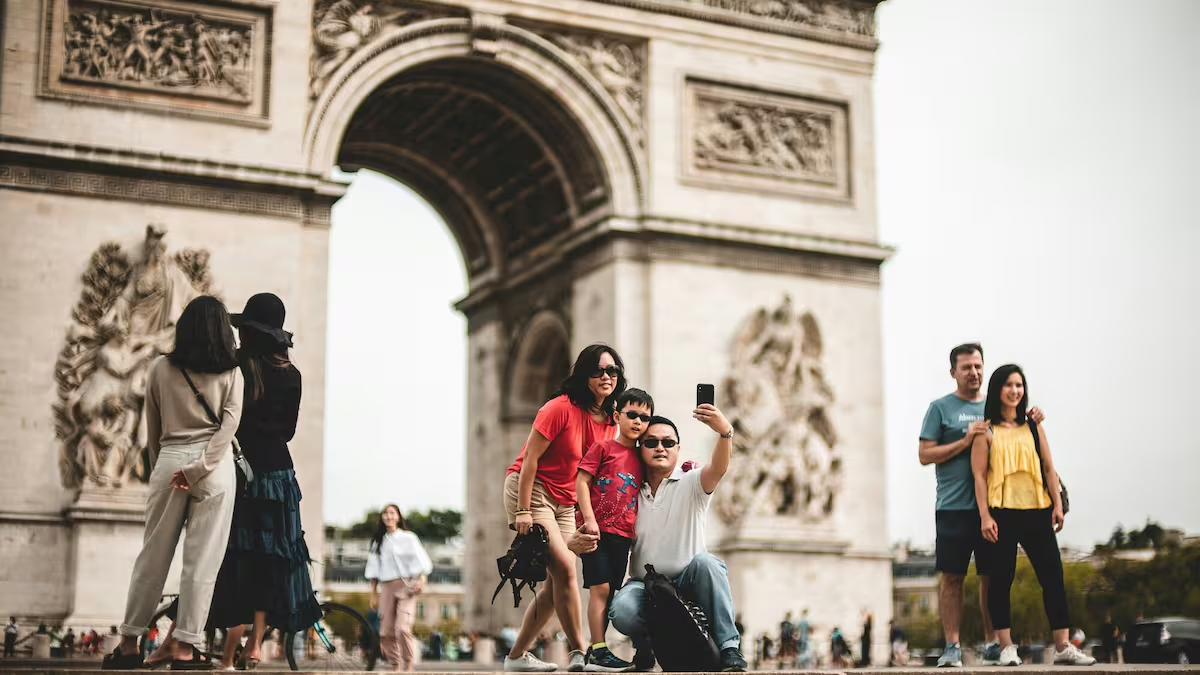
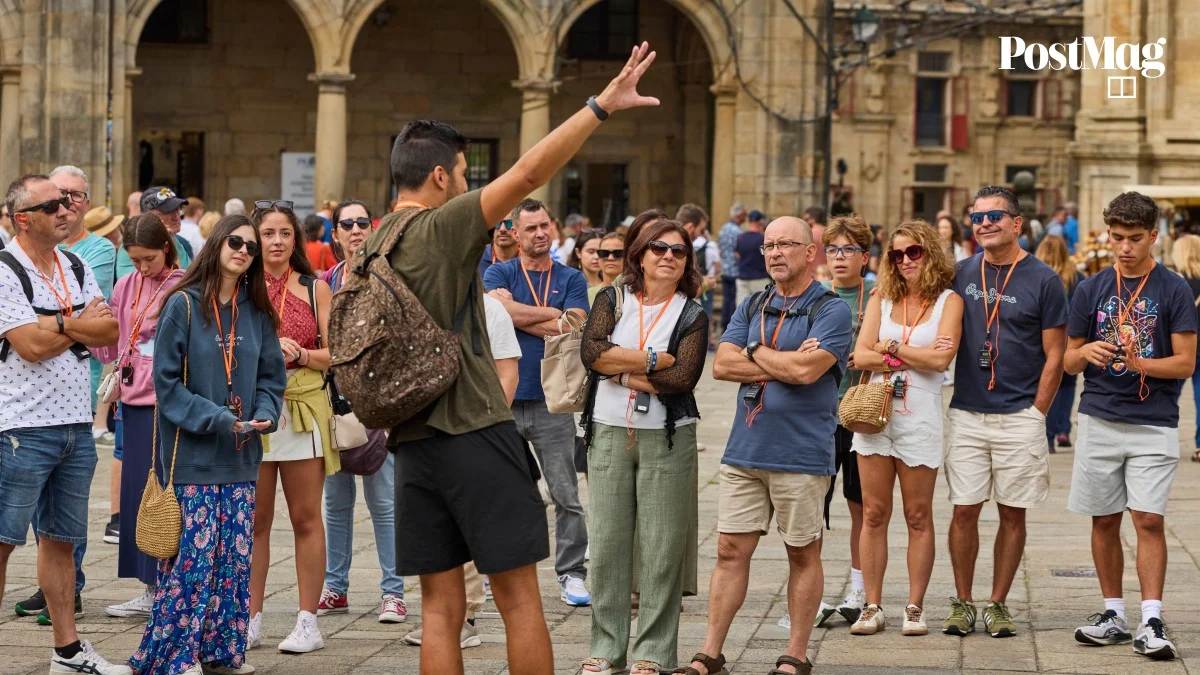
But could the Hoarders have a point? In the age of TikTok, when 129 million people descended on Italy alone last year (spot the direct causation), is it not reasonable to want to safeguard one’s patch? Once a place gets un-secreted, total saturation, which can look a lot like ruination, often ensues. Witness the slew of negative press Japan, and specifically Kyoto, has come in for lately – the result of a buzz-killing confluence of “a great [US dollar] exchange rate, ChatGPT, and kimono-wearing bros”, as New York Magazine put it. Or Oaxaca: not long ago it was the Mexico authenticist’s town of choice, the place for small guesthouses and abuelas cooking guarded family recipes. Then tourism spiked by 77 per cent, and now “Gringos go home” greets arrivals in spray-paint on walls across town.