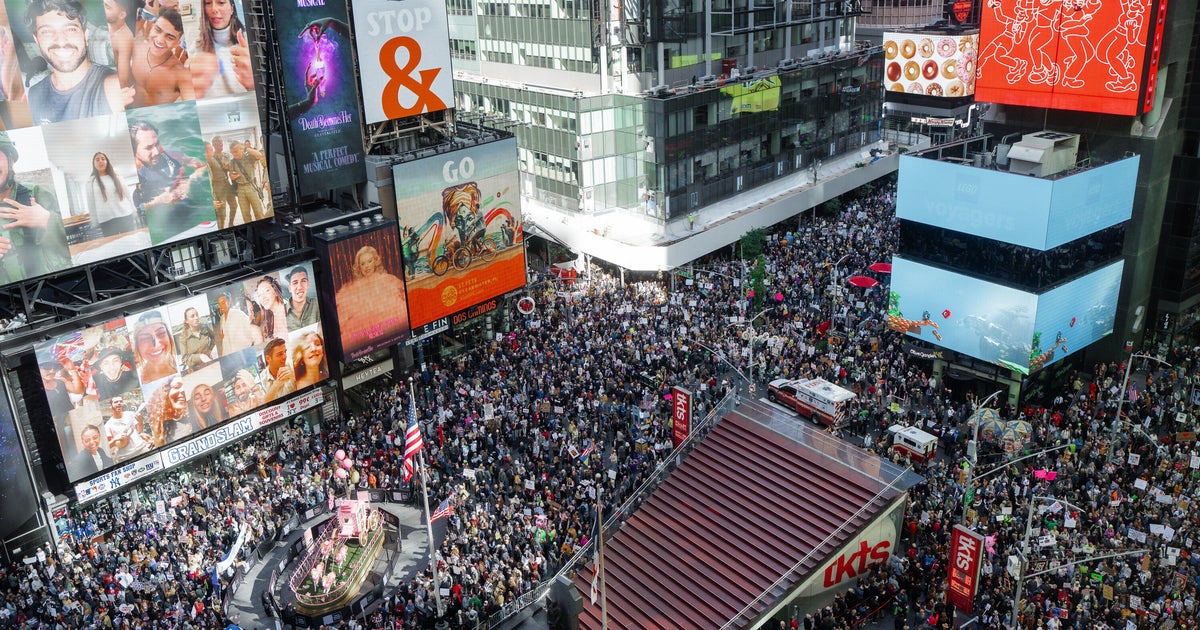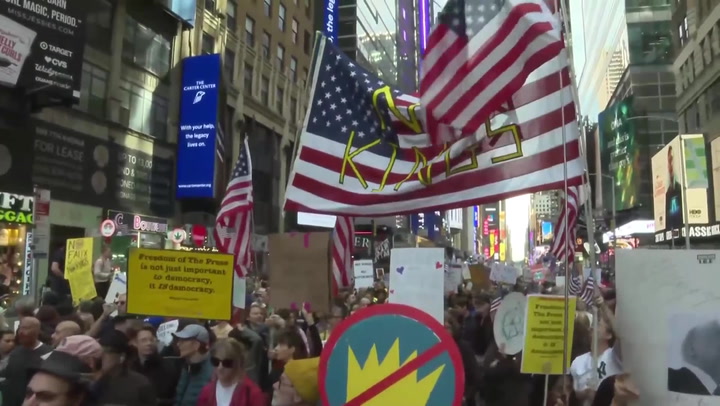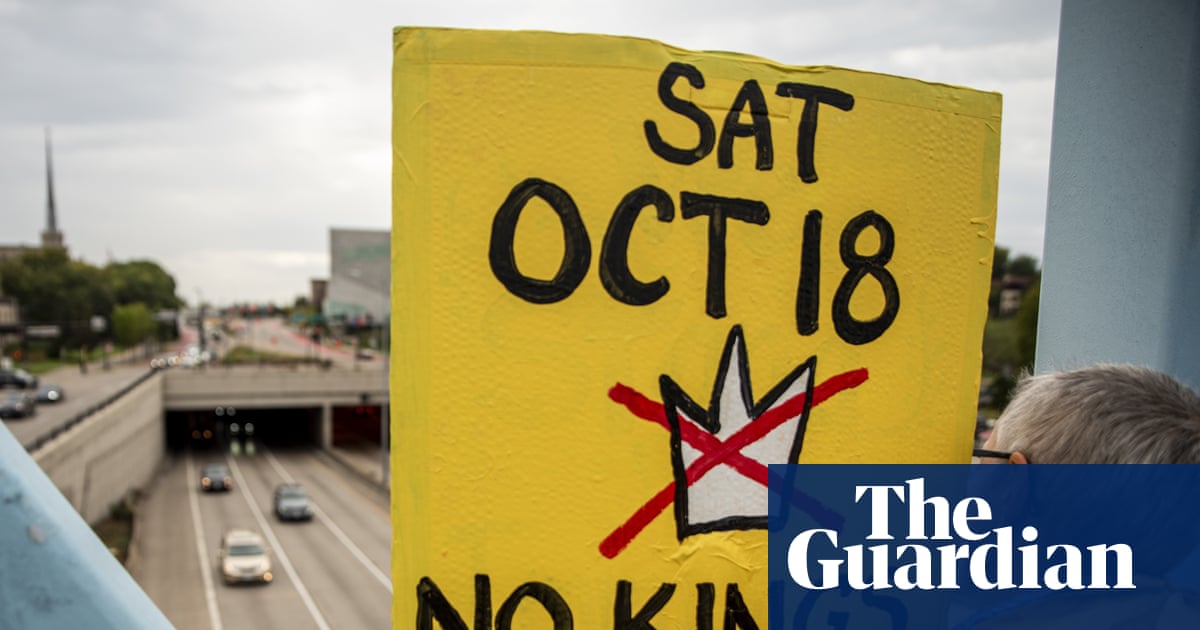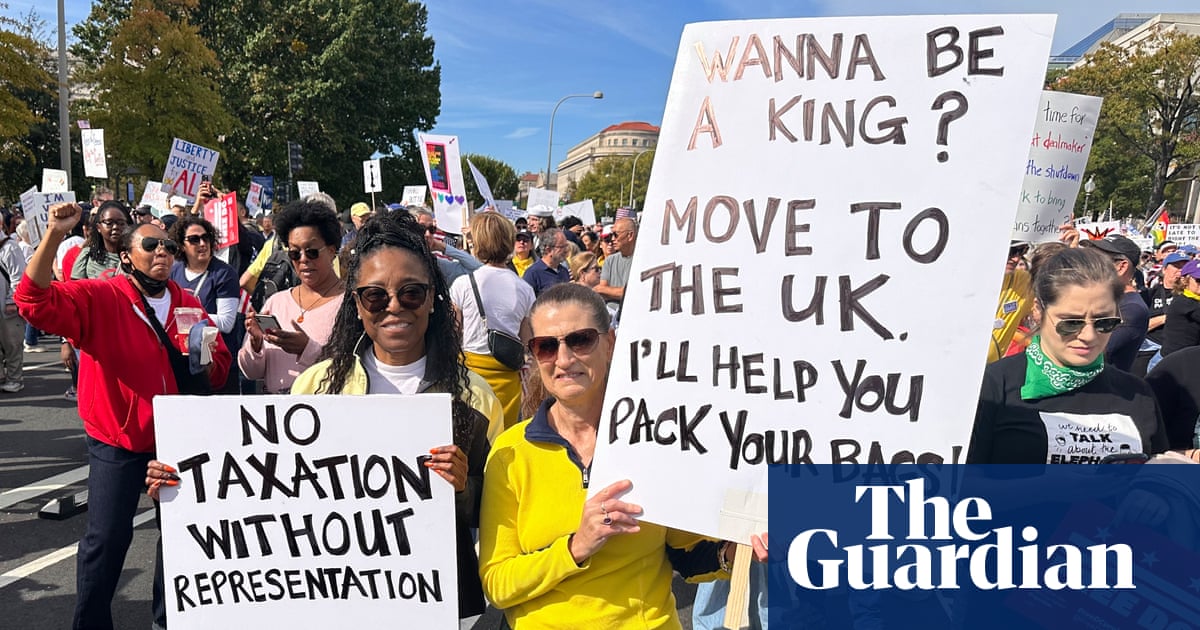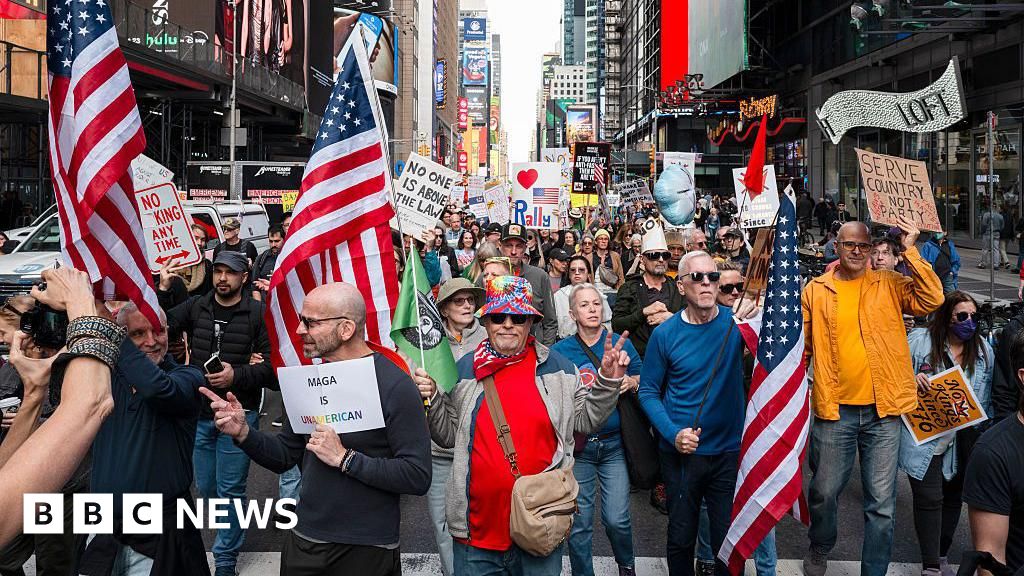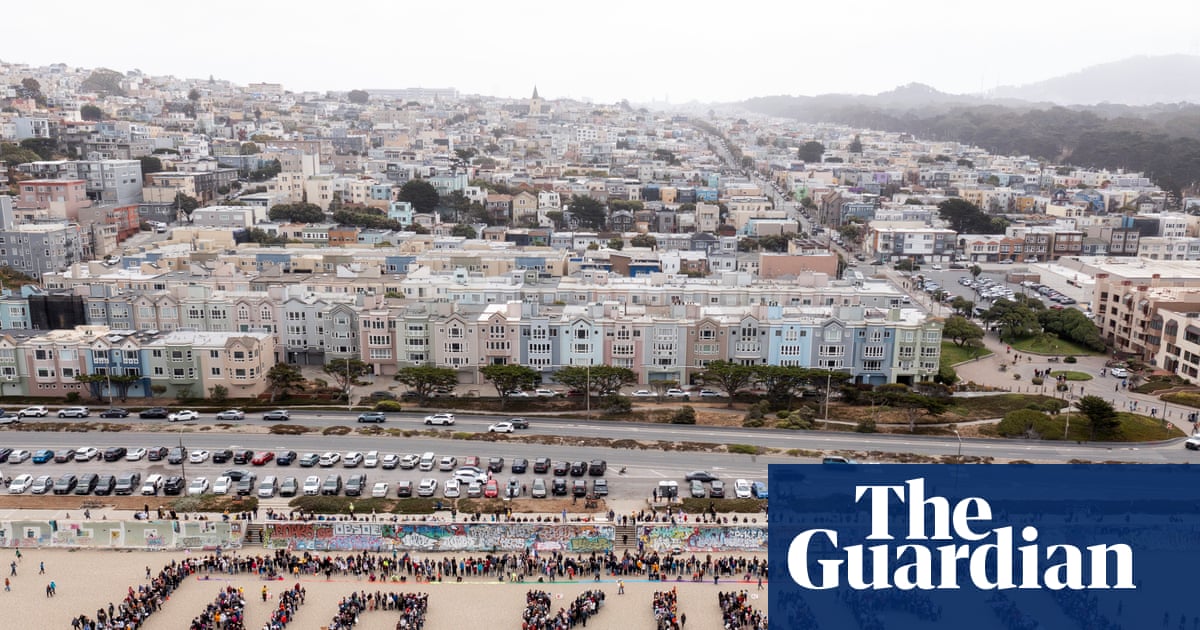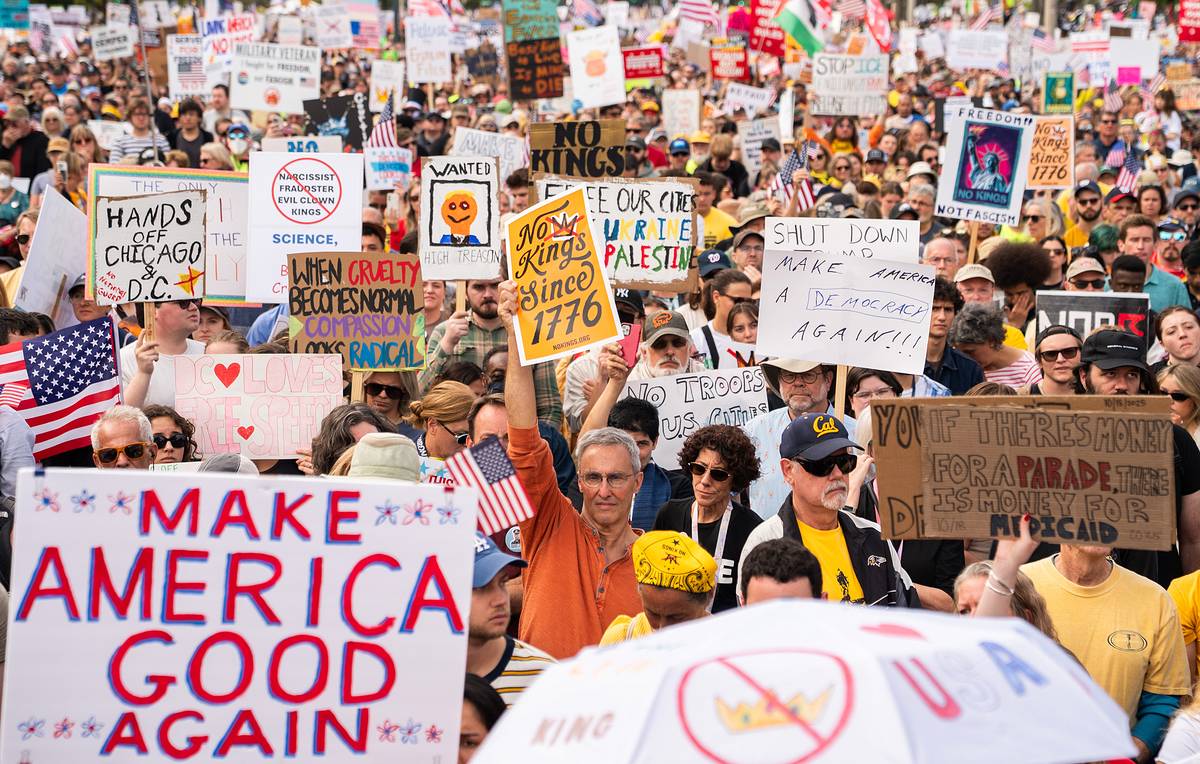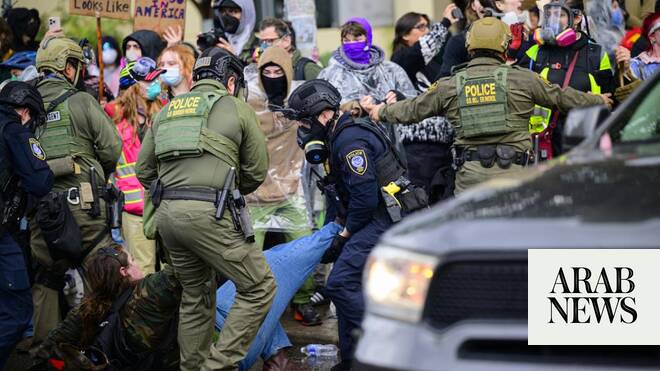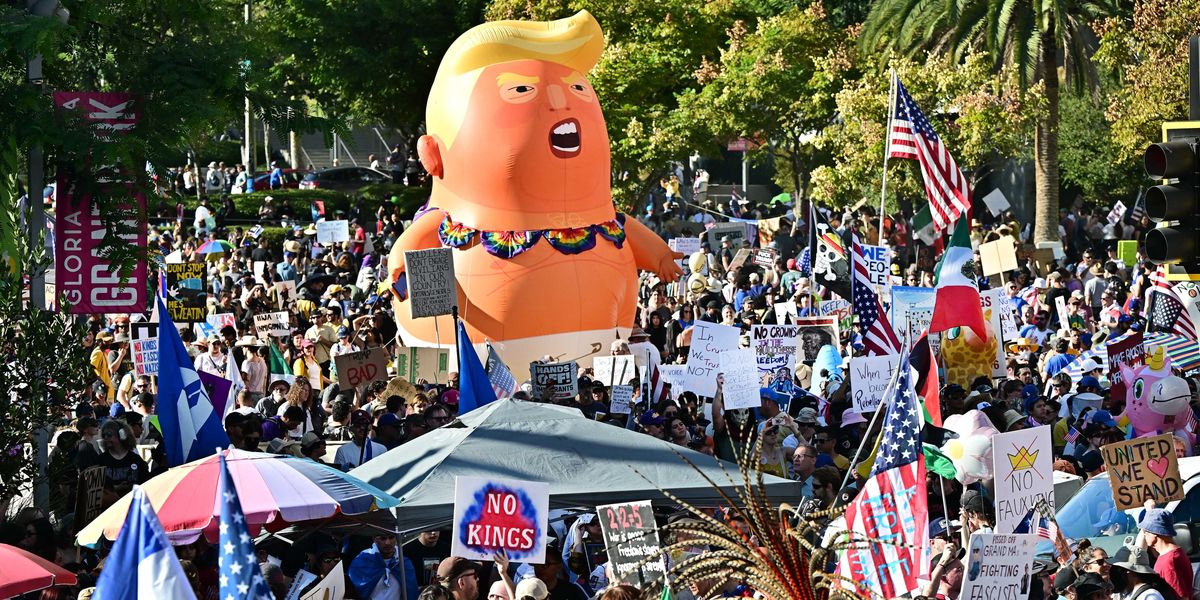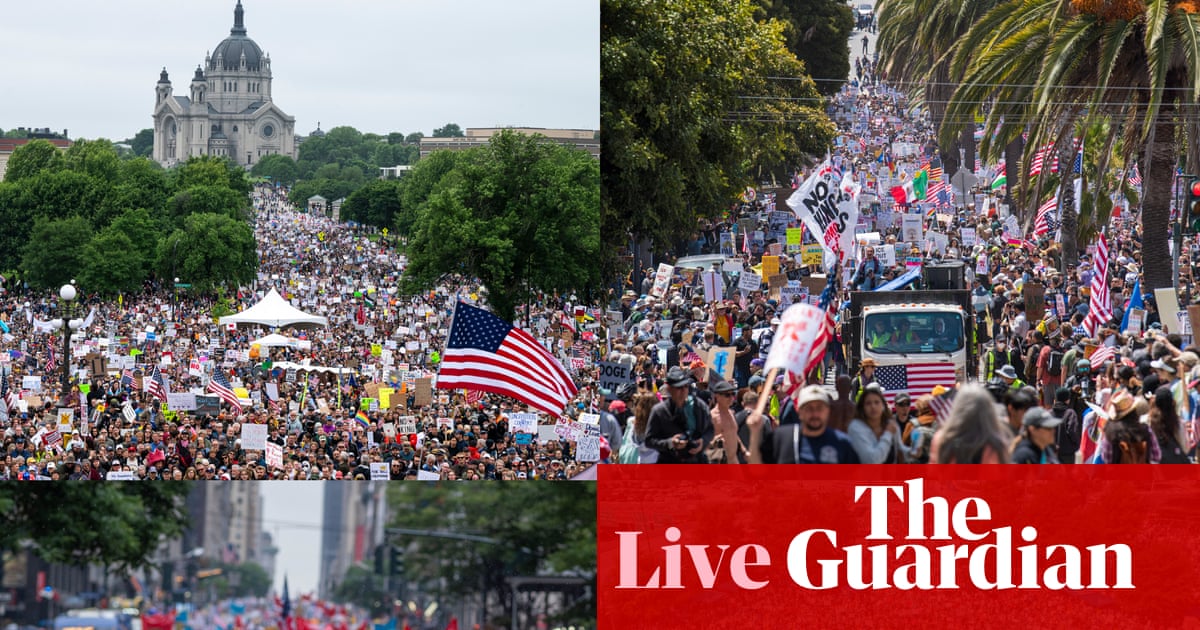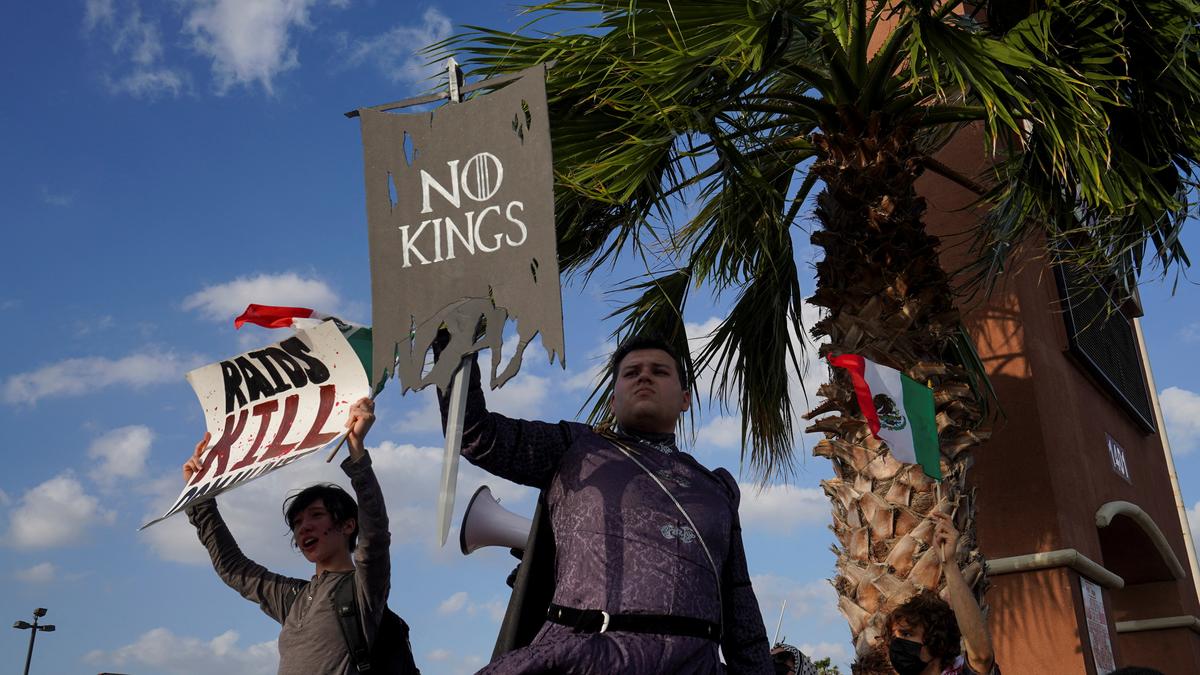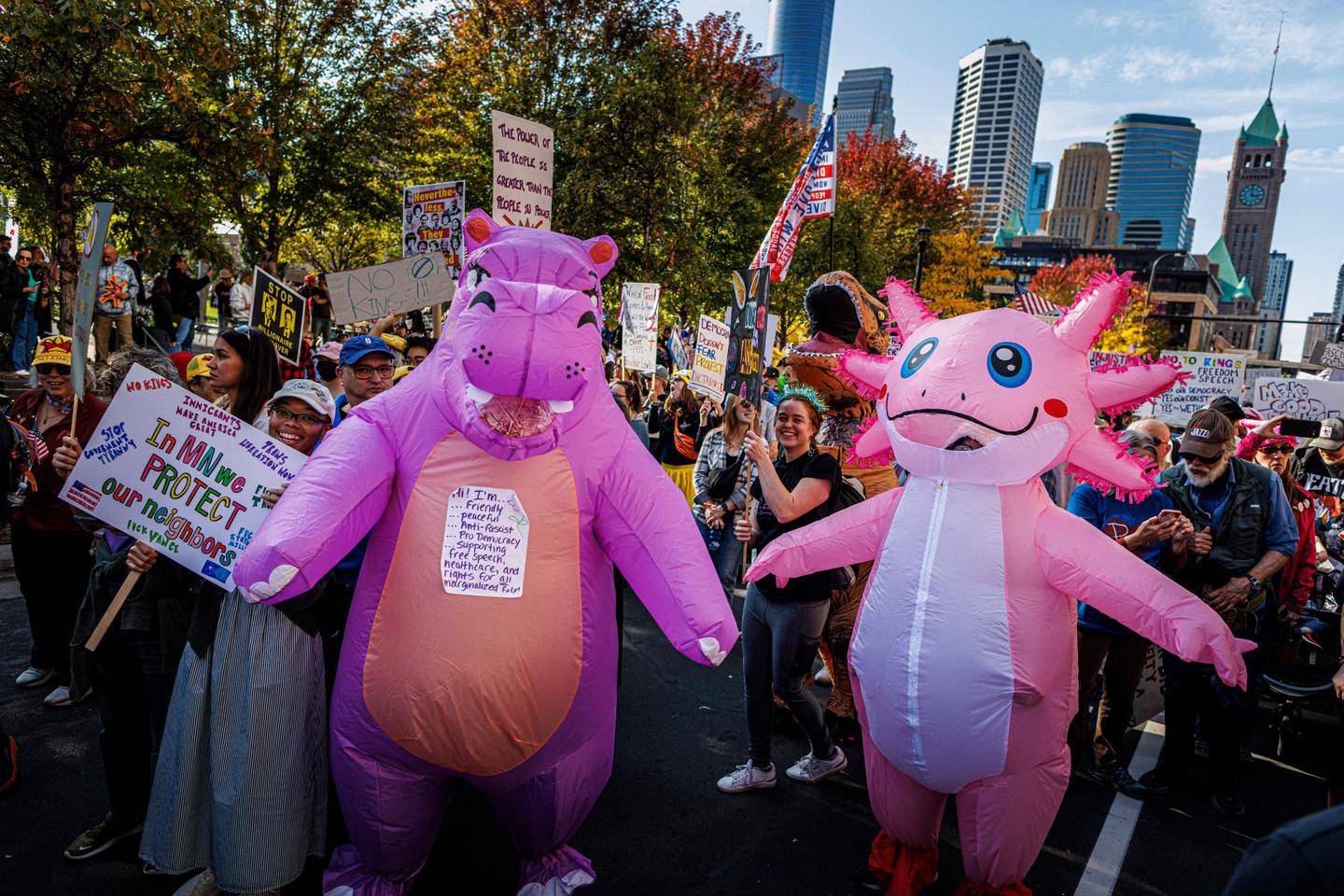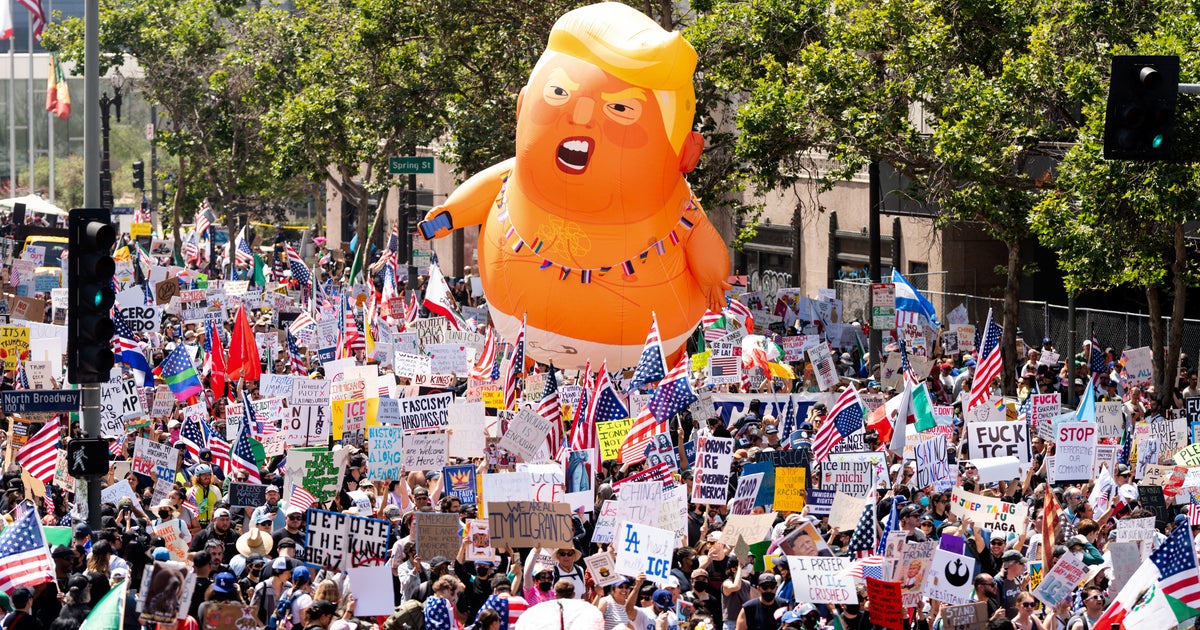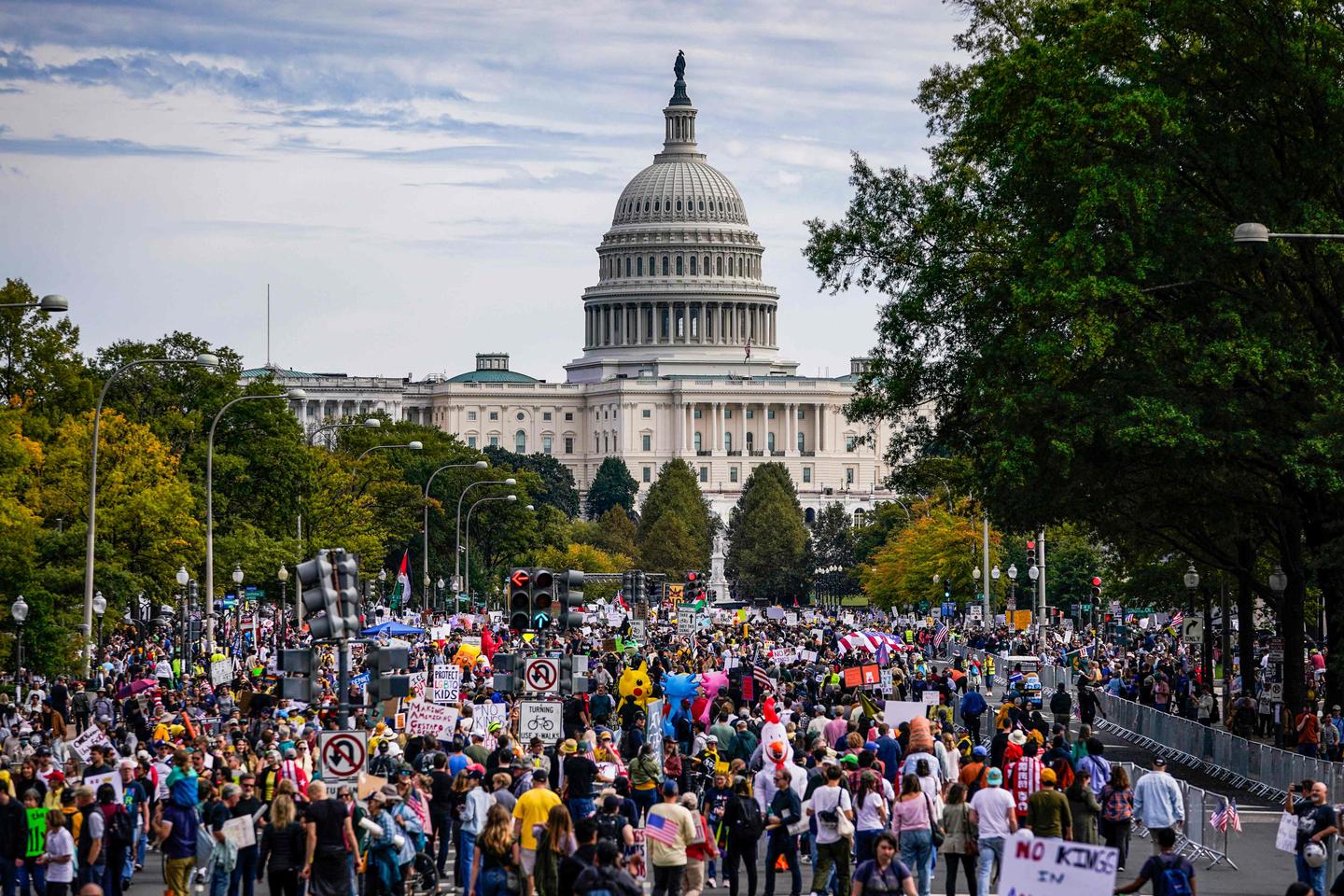
oes history do justice to marches "against" something? The question remains after the second edition of "No Kings" demonstrations, which brought together around seven million people in cities across the United States on Saturday, October 18. It was a statistical success but also a sign of political powerlessness. Marching twice a year certainly is not enough to catch up with Donald Trump, who has pressed forward every day with his intensely personal campaign to transform the institutions to exclusively benefit his own power.
Subscribers only
Joyful and massive 'No Kings' protests against Trump reveal a sense of powerlessness
On a weekly basis, the US president is now signing fewer executive orders than he did when he first returned to the White House, but his wrecking ball remains as active as ever. In fact, it is currently demolishing part of the east wing of the presidential residence to build a vast ballroom, one whose absence had not troubled anyone until now.
On the surface, the October 18 protests would suggest that Trump's hyperactivity and his creation of multiple domestic fronts had not yet resulted in some kind of public saturation or desensitization. In reality, these protests have offered little in terms of strategy, aside from the still distant prospect of the midterm elections. They are more than a year away, in November 2026, and have only fueled Republican ambitions to gerrymander the electoral map.