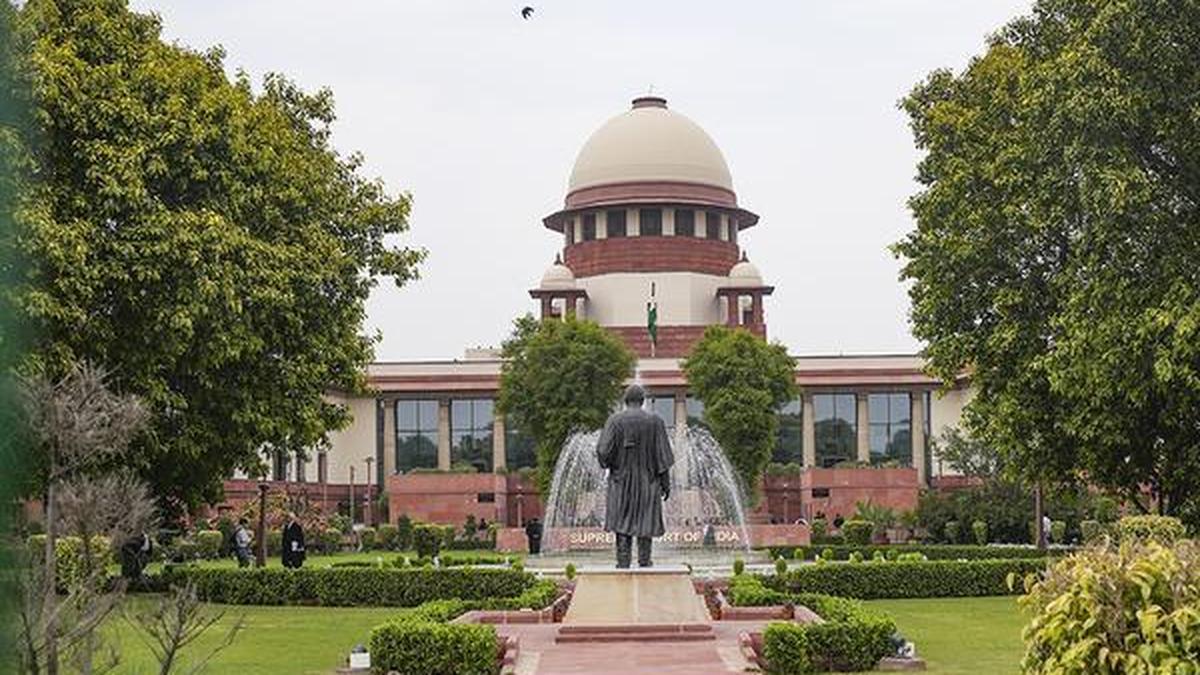
The Supreme Court Collegium’s unexpected change of mind to recommend Madhya Pradesh High Court Judge, Justice Atul Sreedharan, for the Allahabad High Court in compliance with the Union Government’s wishes instead of an earlier proposal to shift him to Chhattisgarh has brought back into focus Executive interference in judicial appointments and transfers in constitutional courts.
An October 14 ‘bare-bones’ Collegium resolution does not reveal why the Supreme Court body gave up its earlier recommendation on Justice Sreedharan. It basically conveyed in a paragraph that its re-think was motivated by a “reconsideration sought by the government”. There are no details of why the government did not want Justice Sreedharan in the Chhattisgarh High Court, where he would have been a member of that High Court’s Collegium and in a position to select future Judges. The Supreme Court Collegium had recommended Justice Sreedharan to Chhattisgarh in meetings held on August 25 and August 26. Justice Sreedharan was numbered first among 14 High Court Judges, the Collegium had proposed for transfer or repatriation in August.
Also read: Justice Atul Sreedharan transferred from J&K to M.P. High Court
In the Allahabad High Court, Justice Sreedharan would be seventh in seniority, and outside the High Court Collegium. The Supreme Court Collegium headed by Chief Justice of India B.R. Gavai did not reveal why the government’s suggestion to transfer him to Allahabad was accepted by it. The Collegium has the power of veto, and could reiterate the earlier August recommendation, following which the government would have to bend.