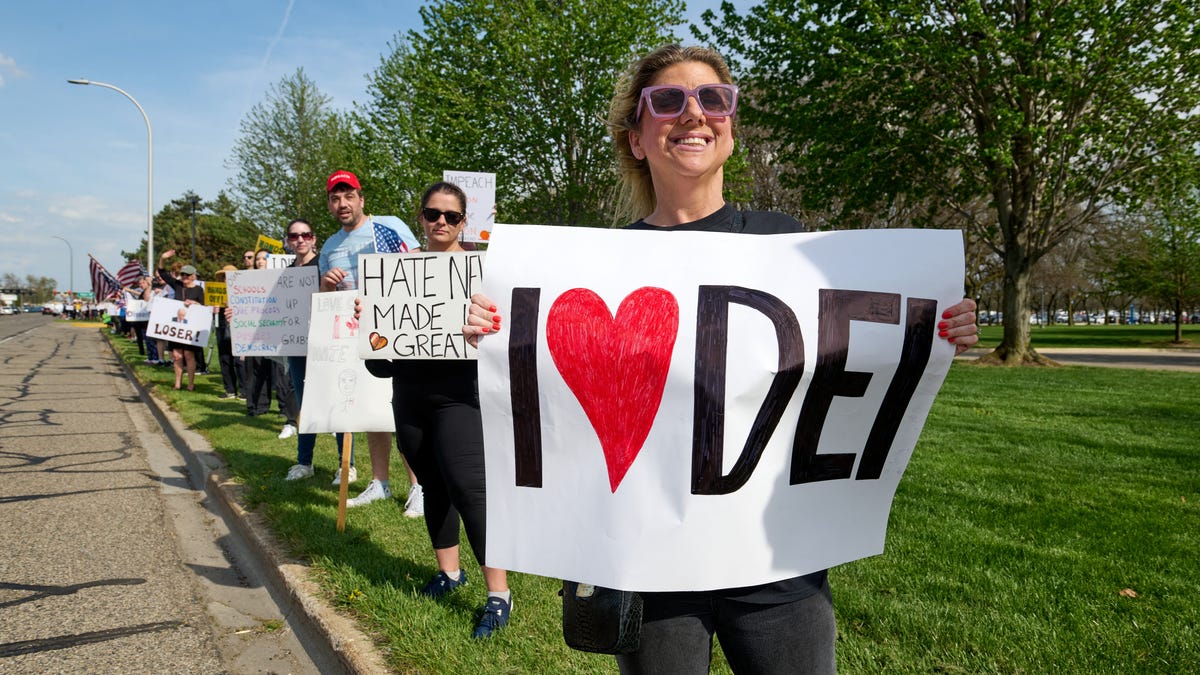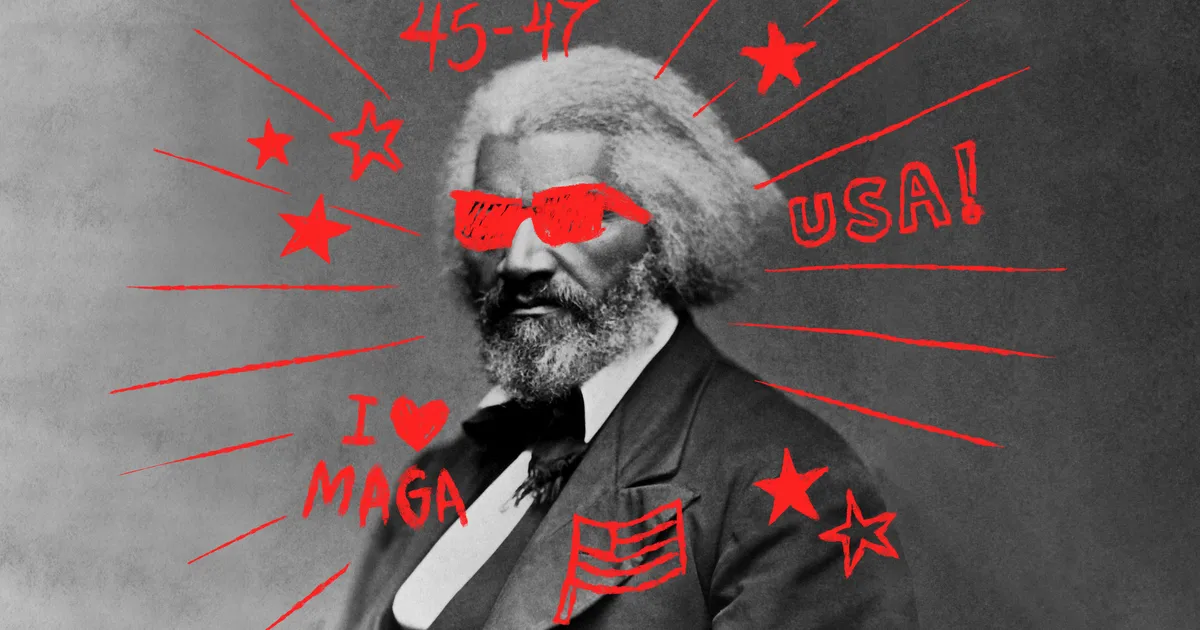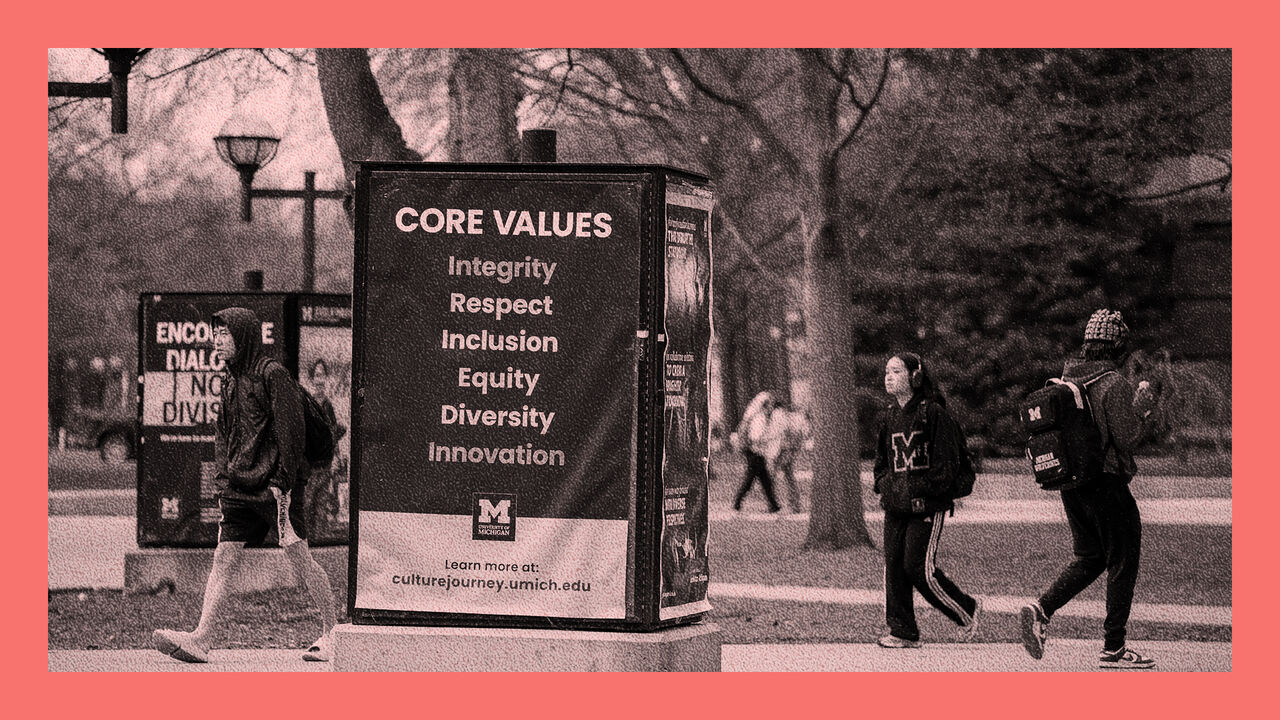
DEI is being used as a smokescreen to roll back progress and consolidate power. The goal is to rewrite our nation’s story
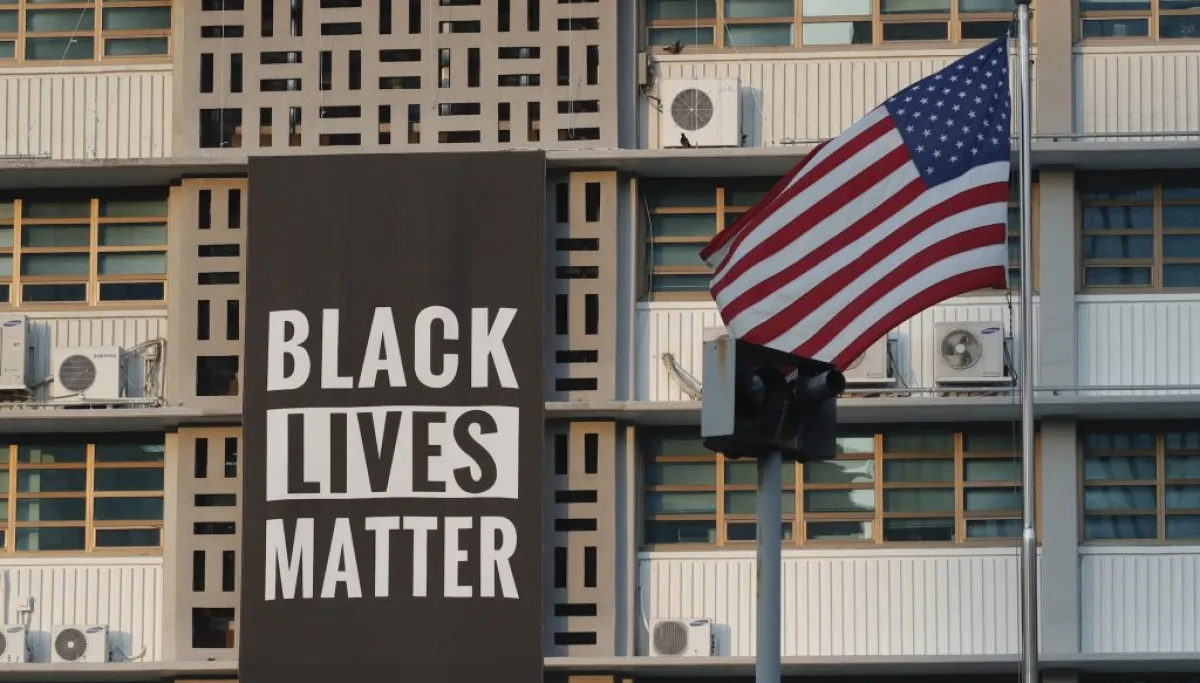
emocracy flourishes when Black Americans advance. The evidence is clear: birthright citizenship, constitutional due process, anti-discrimination laws from education to housing to employment and equitable small business investments, are all byproducts of the systemic corrections known today as DEI. Yet, in recent years, DEI has been used as a smokescreen by cynical politicians and activists to roll back progress and consolidate power. Across classrooms, museums, boardrooms and federal agencies, the key pathways to opportunity and success are under attack through a coordinated disinformation campaign of erasure, distortion and suppression.
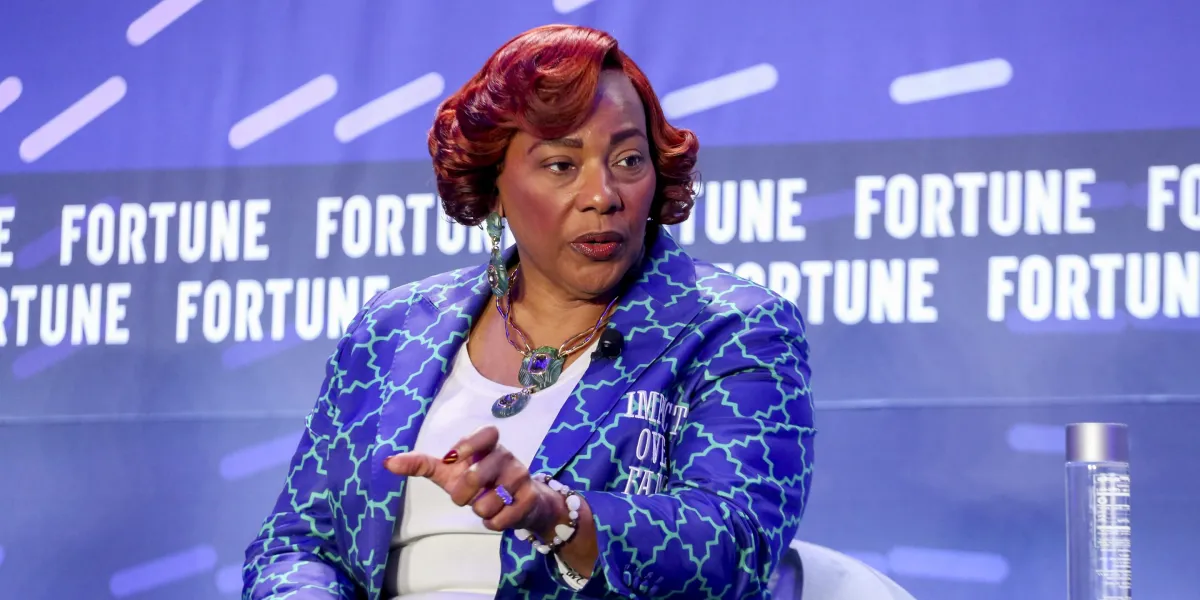
The impact of these tactics is concrete and undeniable. Since the start of this year, Onyx Impact’s research has found, 306,000 Black women have lost their jobs and $3.4bn in grant programs investing in Black communities has been slashed – including $9.4m in sickle cell disease research, $42m in programs designed to address Black maternal mortality and $31m in cuts to address asthma rates and air pollution harming Black children.
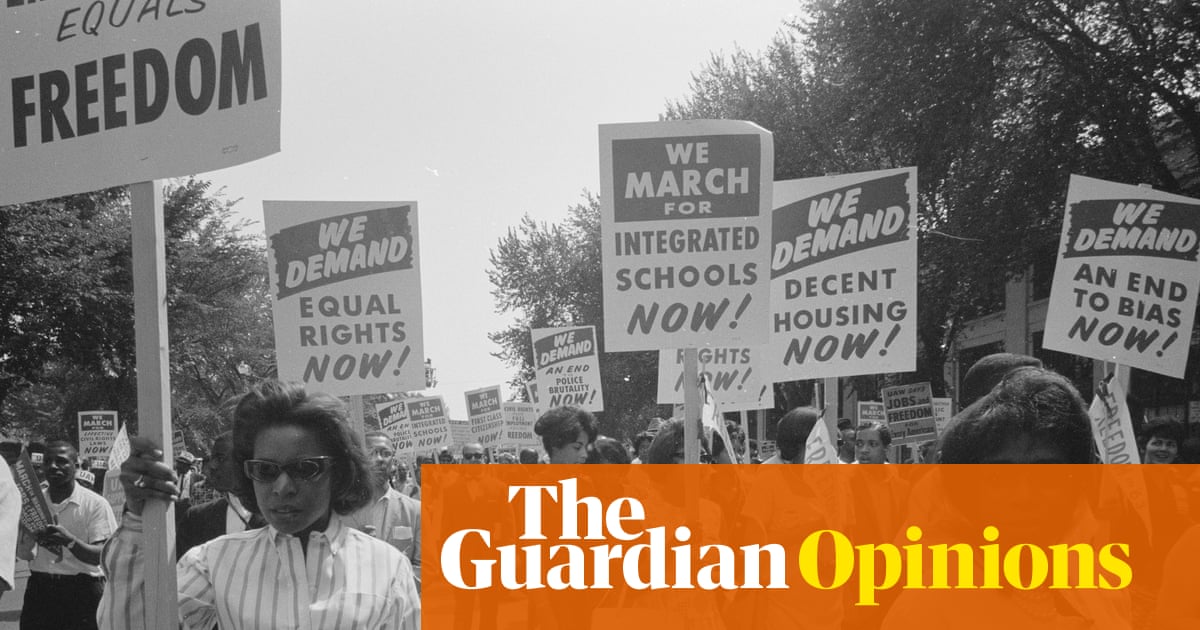
Concerted attempts to stifle the progress of Black communities is not new; however, history has proven that when progress for Black people is erased, everyone suffers. During Reconstruction, Black Americans made extraordinary strides – holding office, building businesses and founding schools. Less discussed is how other oppressed communities, from white sharecroppers to Latino gauchos, also benefited from increased access to legal and economic systems. When Black people faced a century of Jim Crow and state-sanctioned discrimination, other communities saw a similar retreat on their access to full citizenship. When the civil rights movement sought to eliminate the vestiges of Jim Crow, its practices of nonviolent civil disobedience expanded freedom and opportunity not just for Black Americans, but for communities of all backgrounds. From the Native American movement to the advancement of gay rights to women’s economic empowerment, Black civil rights opened the aperture for expanded human rights.