Attempts by the former French president and his supporters to discredit the legal process by which he was sentenced have been irresponsible and unjustified
A
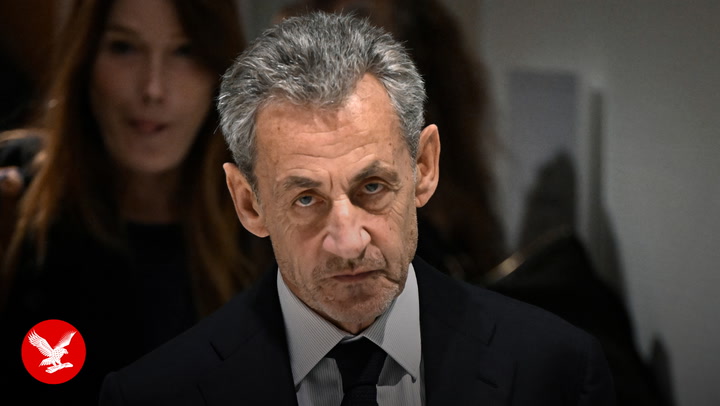
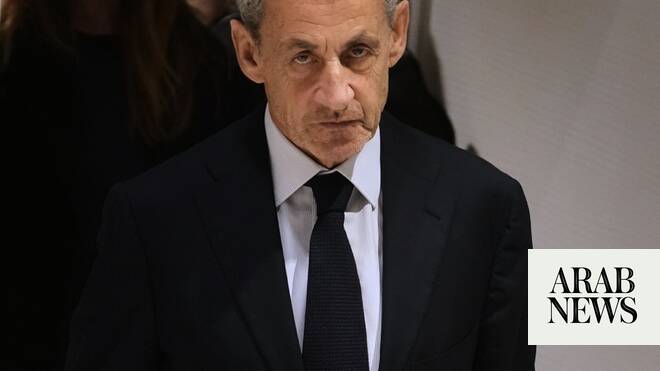
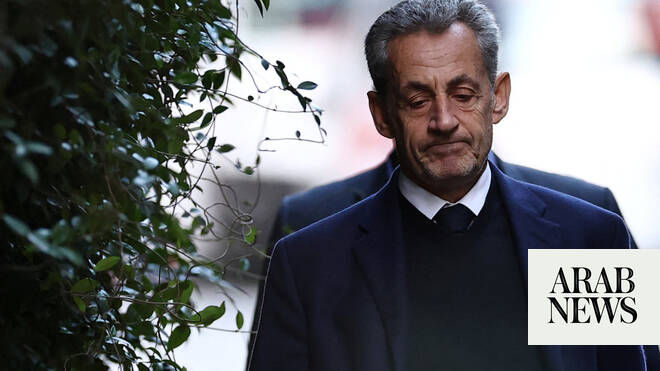
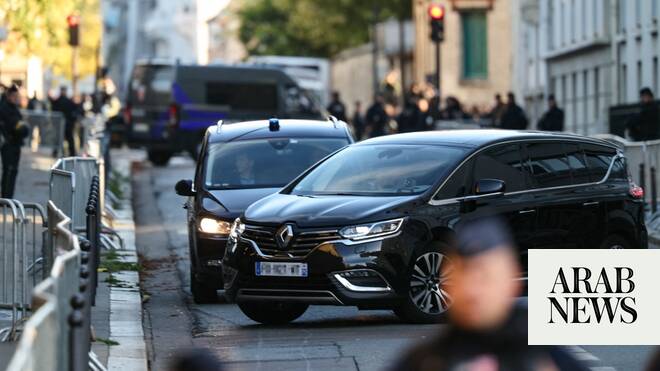
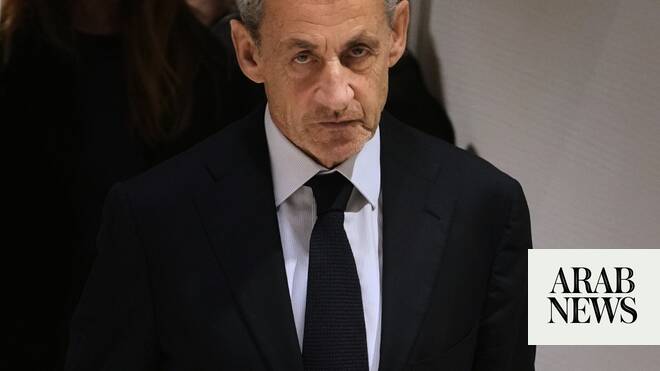
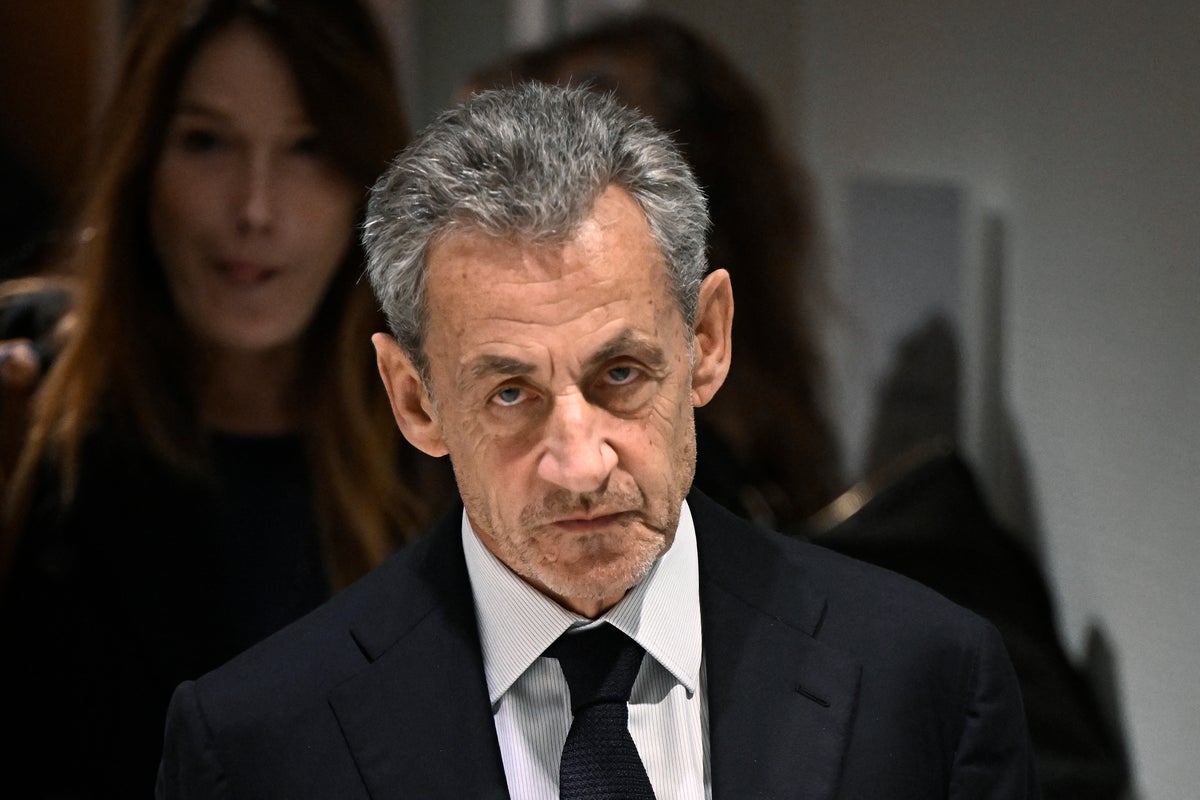
s he was transported to La Santé prison in Paris on Tuesday, Nicolas Sarkozy posted a message brimming with defiance on X, writing “It’s not a former president of the republic who is being jailed this morning, it’s an innocent man”. A court of appeal will eventually give its view on the veracity of the second clause of that statement. But unfortunately for Mr Sarkozy, the drama and significance of his fall cannot simply be wished away.
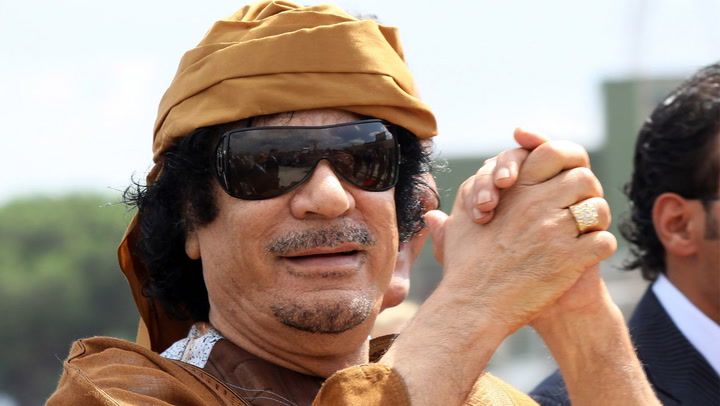
President of France between 2007 and 2012, Mr Sarkozy was found guilty of criminal conspiracy to obtain illicit campaign funds from the regime of the late Libyan dictator, Muammar Gaddafi. Handed a five‑year sentence, he has become the first former leader of an EU country to go behind bars, and the first French leader since the disgraced head of Vichy France, Philippe Pétain. In a country in which the elected president enjoys a quasi-monarchical status, Tuesday’s extraordinary spectacle was a seminal moment.
At a time when faith in political institutions in France has collapsed to the point where the lights are flashing red, it was also a salutary demonstration that no one is above the law. In a poll published on Tuesday in Le Monde newspaper, two-thirds of respondents said that they believed a majority of politicians were corrupt, and nearly nine out of 10 said that most acted mainly out of self-interest. In sentencing Mr Sarkozy and ordering that his prison term should begin without delay, the judge, Nathalie Gavarino, said that she took into account both the exceptionally grave nature of the offences and the fact that they were “likely to undermine citizens’ trust”.