Some good news on the health front: Peanut allergies are on the decline.
A new study, published Monday, shows we may be on the way to eliminating the peanut allergies that have been problematic — and even deadly — for decades.
The research shows youth peanut allergy rates dropped in the years following 2017 guidance that suggested introducing peanut into infants' diets as a means of allergy prevention. Overall, researchers found a 43% decrease in peanut allergies, with peanut allergy rates falling from 0.79% from 2012 to 2015 to 0.45% from 2017 to 2020.
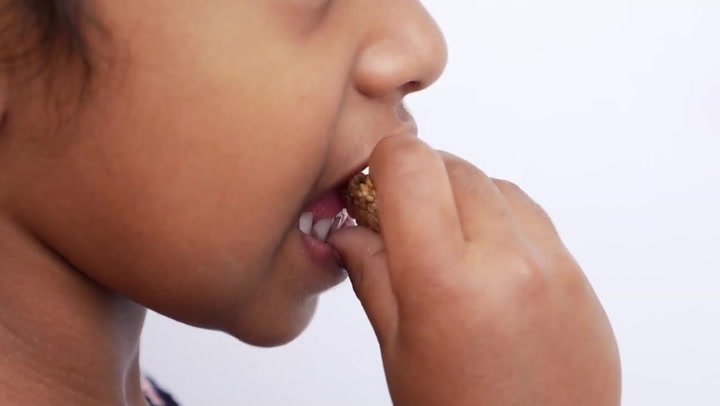
"This study provides the first strong, real-world evidence that early food introduction guidelines are working," says David Hill, an allergist and immunologist at the Children's Hospital of Philadelphia, and one of the study's authors. "Parents should feel reassured that early introduction of peanut and other allergenic foods, starting around four to six months of age, is both safe and effective in preventing food allergy."
Experts didn't always think it was a good idea to give babies peanut products. But the 2015 Learning Early About Peanut Allergy (LEAP) trial found early introduction to peanuts cut chances of an allergy by over 80%. This lead the National Institutes of Health to officially recommend in 2017 parents expose their infants to peanuts when they're ready to eat solids.