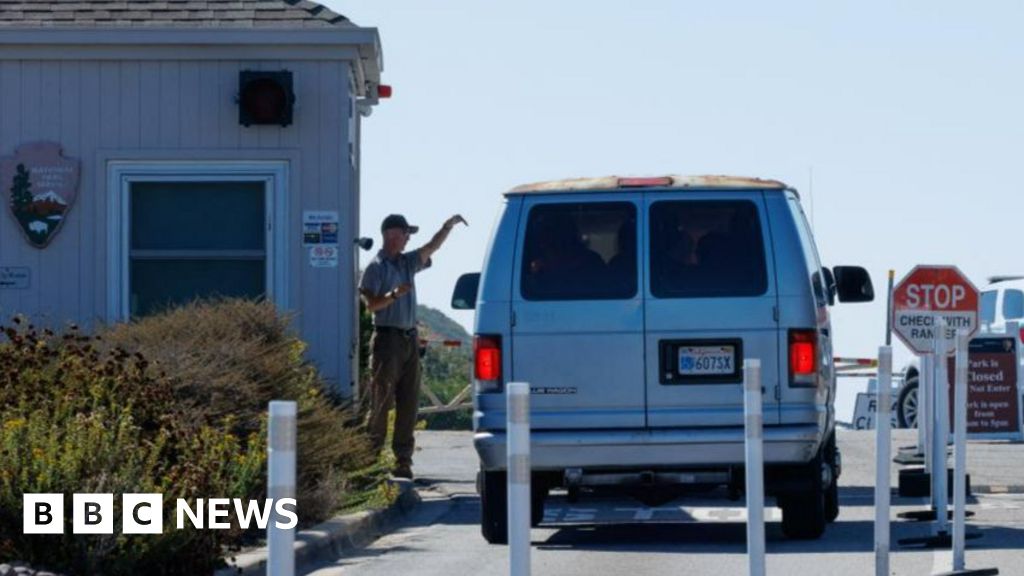
There’s a small eatery a few minutes outside the West Entrance of Glacier National Park. Every morning at 7 a.m., without fail, workers arrive at Park Provisions to prepare sandwiches and other fresh to-go food for the day ahead. Since the Oct. 1 government shutdown, the ding of the doorbell has quieted. Stacey Schnebel, the owner of Park Provisions and Stonefly Lounge, watched traffic dwindle from the market’s windows.
“Starting the first week of the shutdown, it was tumbleweed,” Schnebel told USA TODAY. Glacier’s busy season winds down this time of year, but compared to the week prior, gross sales at Park Provisions dropped by 38.5%.
“We've lived through shutdowns before, but my business depends on those people who are furloughed and may or may not be receiving their backpay when they go back to work,” Schnebel said.
Businesses like this in Coram, Montana, and across the country are feeling the effects of the parks’ disruption. For context, areas managed by the National Park Service received a record-breaking 332 million visitations last year.
The National Parks Conservation Association, a nonprofit dedicated to protecting the parks “on the ground, in the courtroom or on Capitol Hill,” now estimates gateway communities risk losing up to $80 million in visitor spending each day during the shutdown on things like hotels, restaurants, shopping, gear rentals and more. And those aren’t the only tolls on the parks and their communities.