H
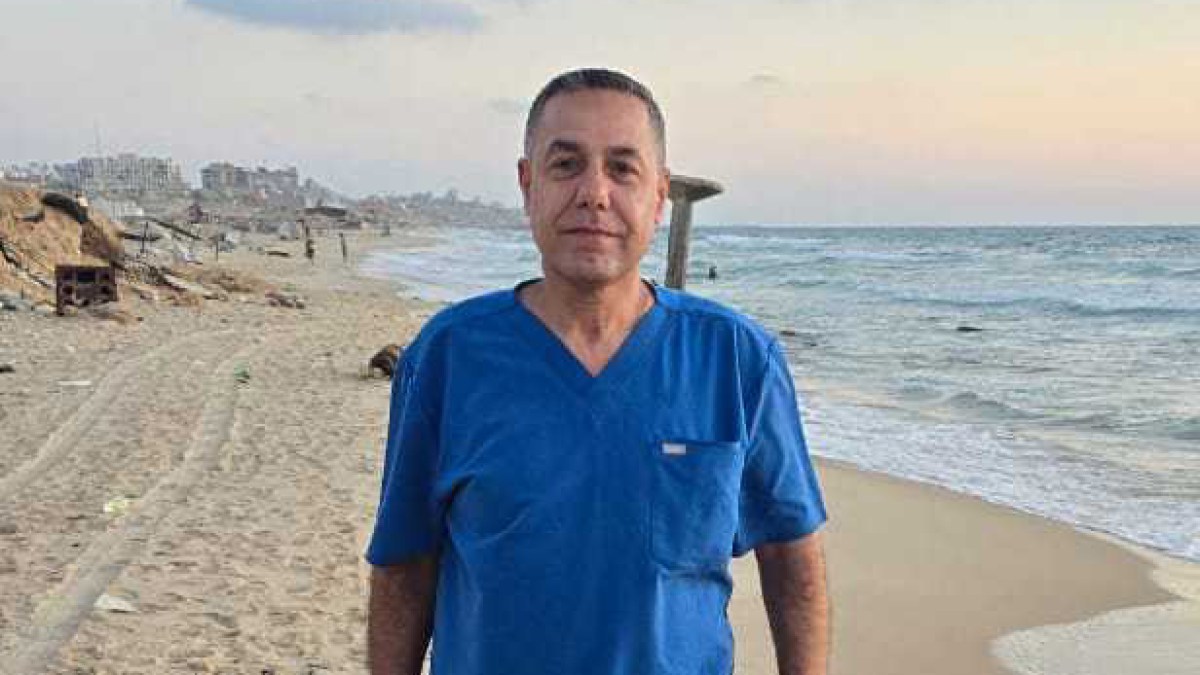
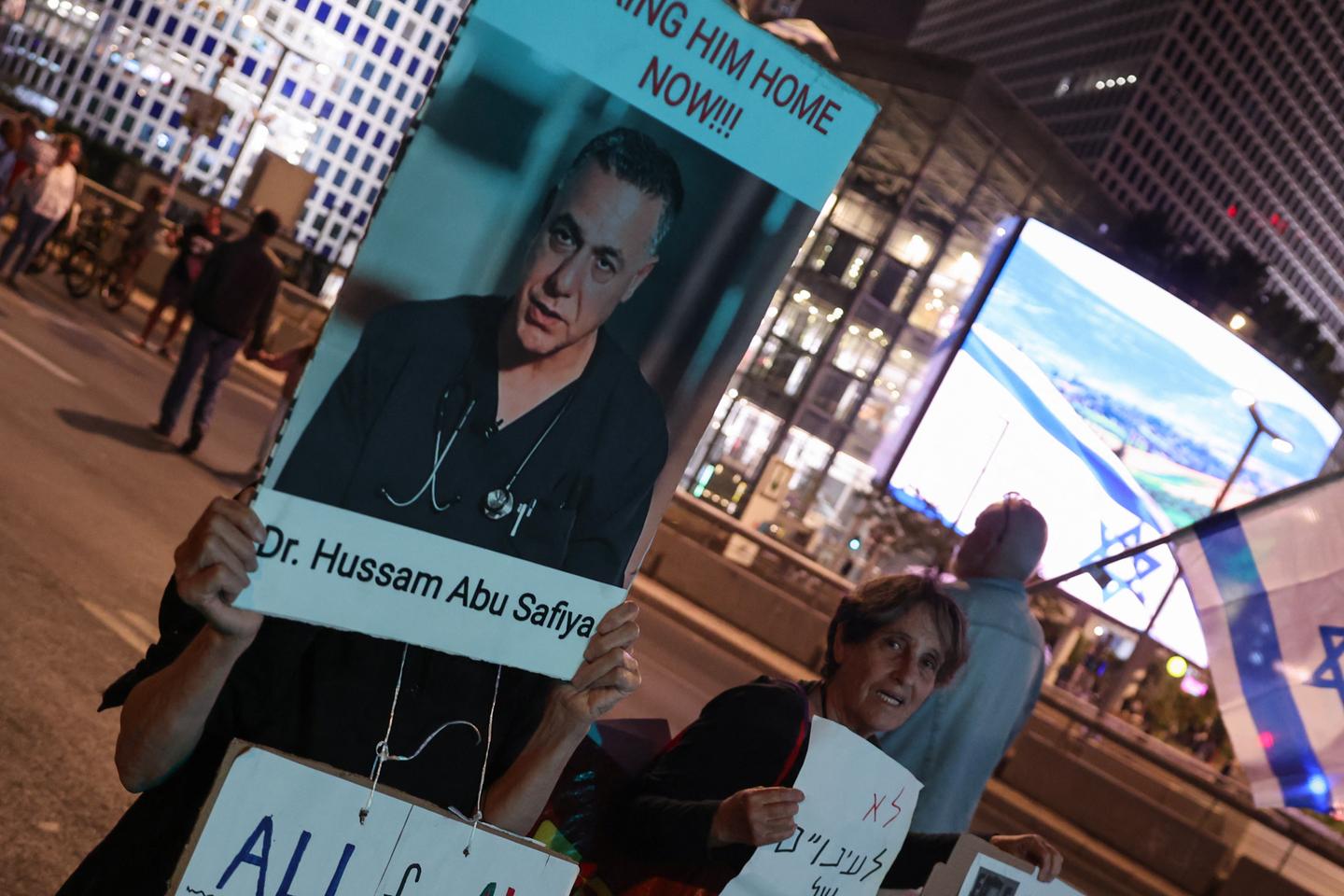
ussam Abu Safiya was born in 1973 in the Jabaliya Palestinian refugee camp, North of Gaza City. His parents had been forced to flee in 1948 from the Palestinian locality of Hamama, which was destroyed by the Israeli army, expelling all its residents toward Gaza. Although only about 20 kilometers separate Jabaliya from Hamama, that distance became insurmountable for refugees confined to the "Gaza Strip," then administered by Egypt and surrounded by the Israeli army.
The Israeli occupation of the Palestinian enclave in 1967 marked the beginning of increasingly oppressive colonization in the densely populated Gaza Strip. It was in the Jabaliya camp that, in 1987, the first Intifada erupted – literally the "uprising" of Palestinian youth, who confronted soldiers and settlers with nothing more than stones. This popular rejection of armed struggle compelled the Palestine Liberation Organization (PLO) to recognize Israel and commit to a two-state solution.
Abu Safiya, then a teenager, lived through these years of protest and repression in Jabaliya before he was able to leave Gaza to study medicine in Kazakhstan. There, he met his future wife, returning with her in 1996 to Gaza, which had been partially evacuated by the Israeli army. Three years earlier, the PLO had signed peace accords with Israel, which granted the administration of three-quarters of the enclave, as well as part of the West Bank, to a "Palestinian Authority" (PA) with limited powers.