Securing historic public-facing buildings has never been easy, and is even less so in times of economic constraint
T
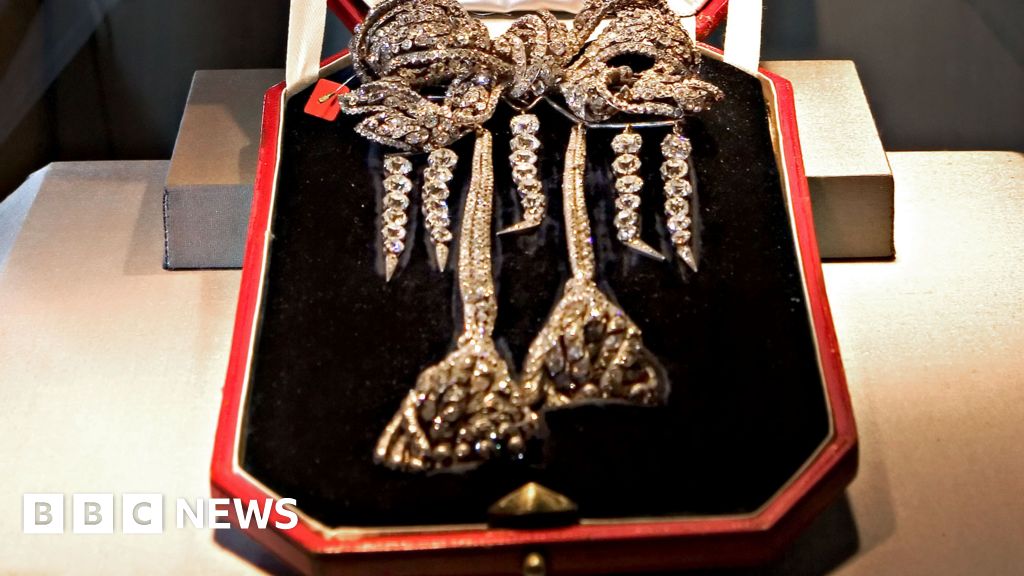
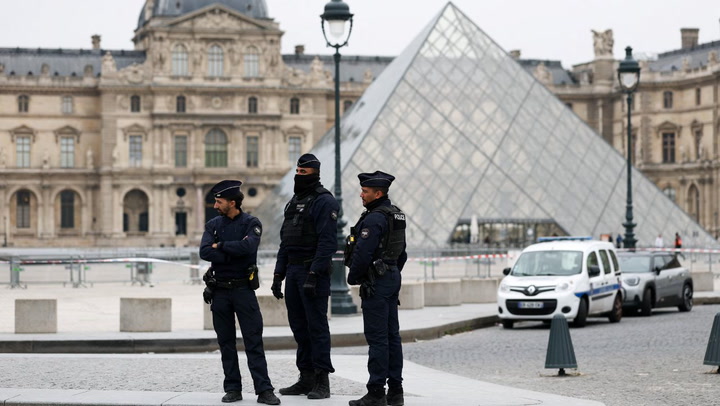
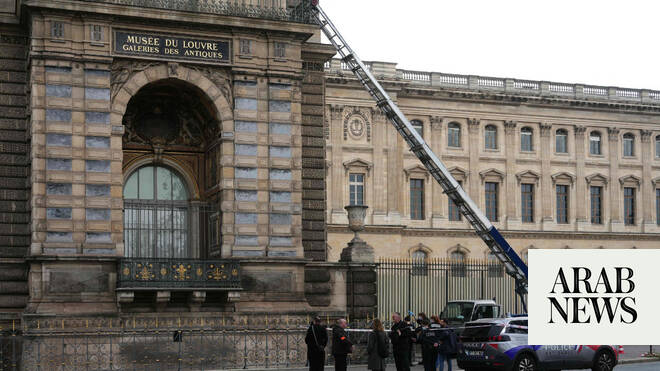
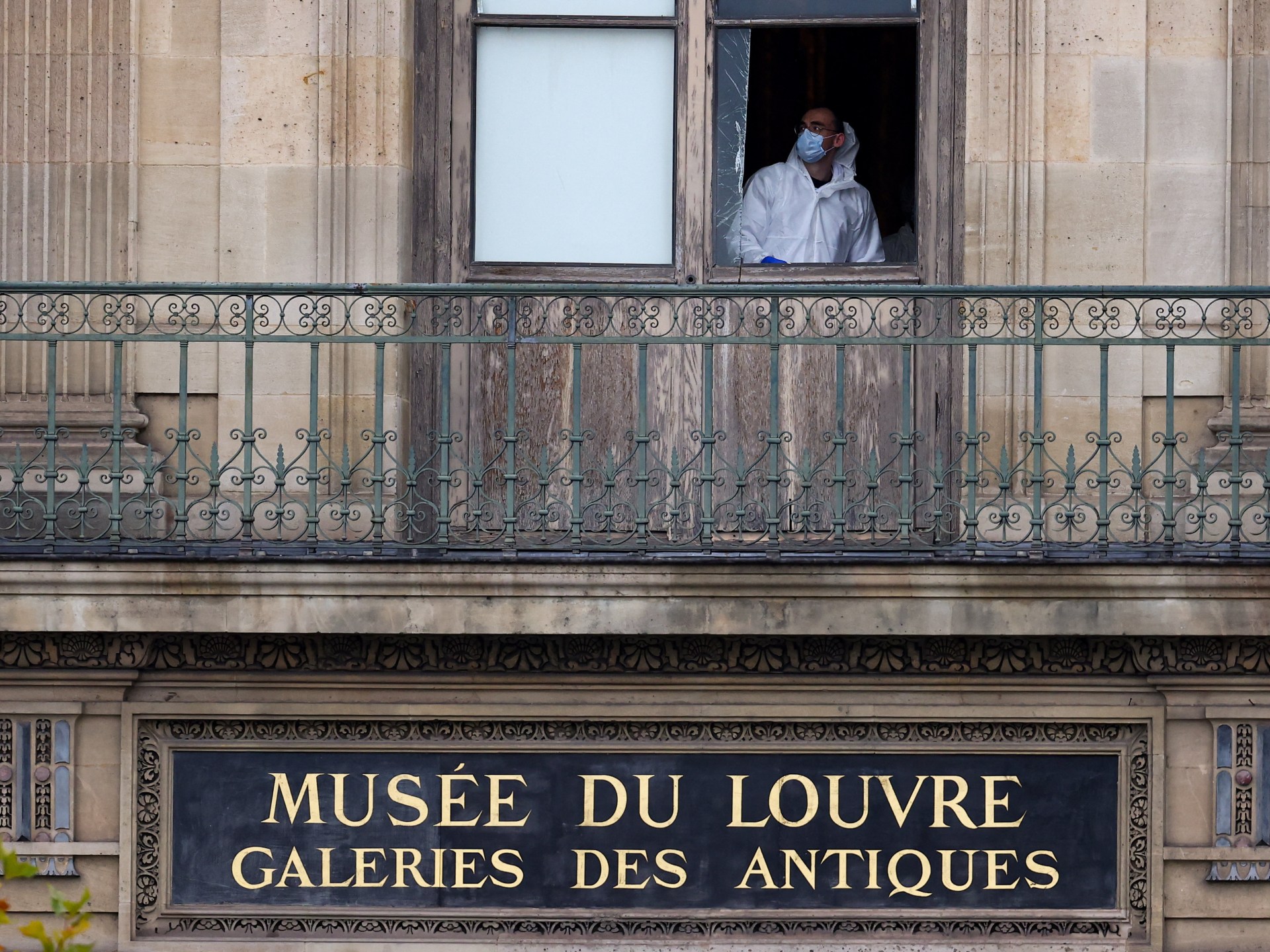
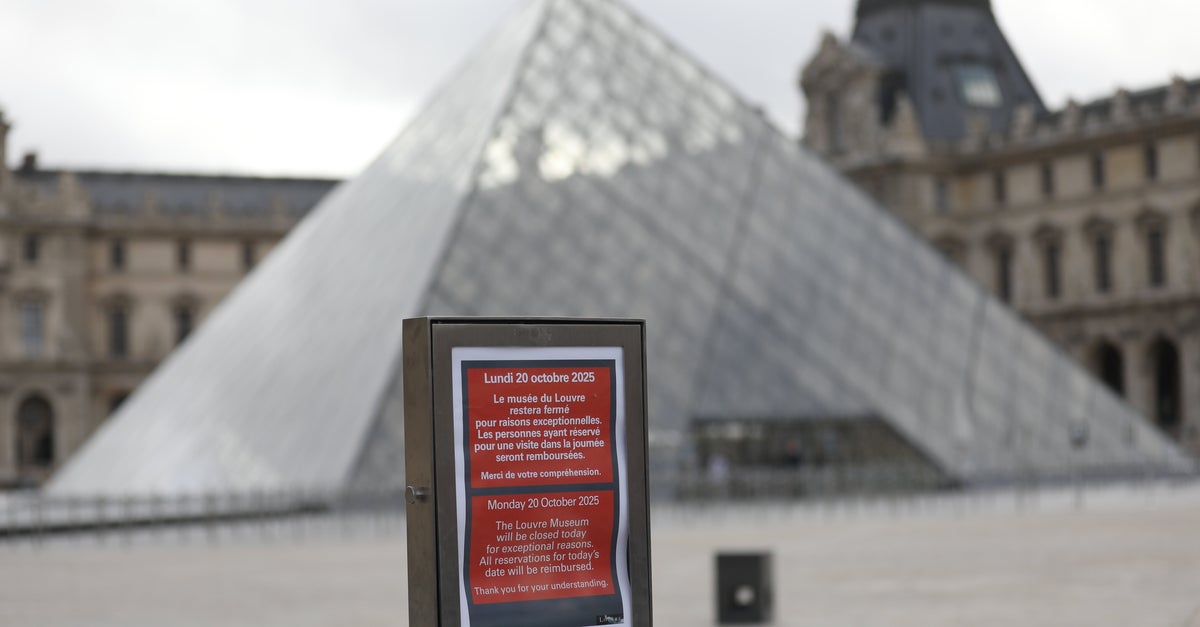
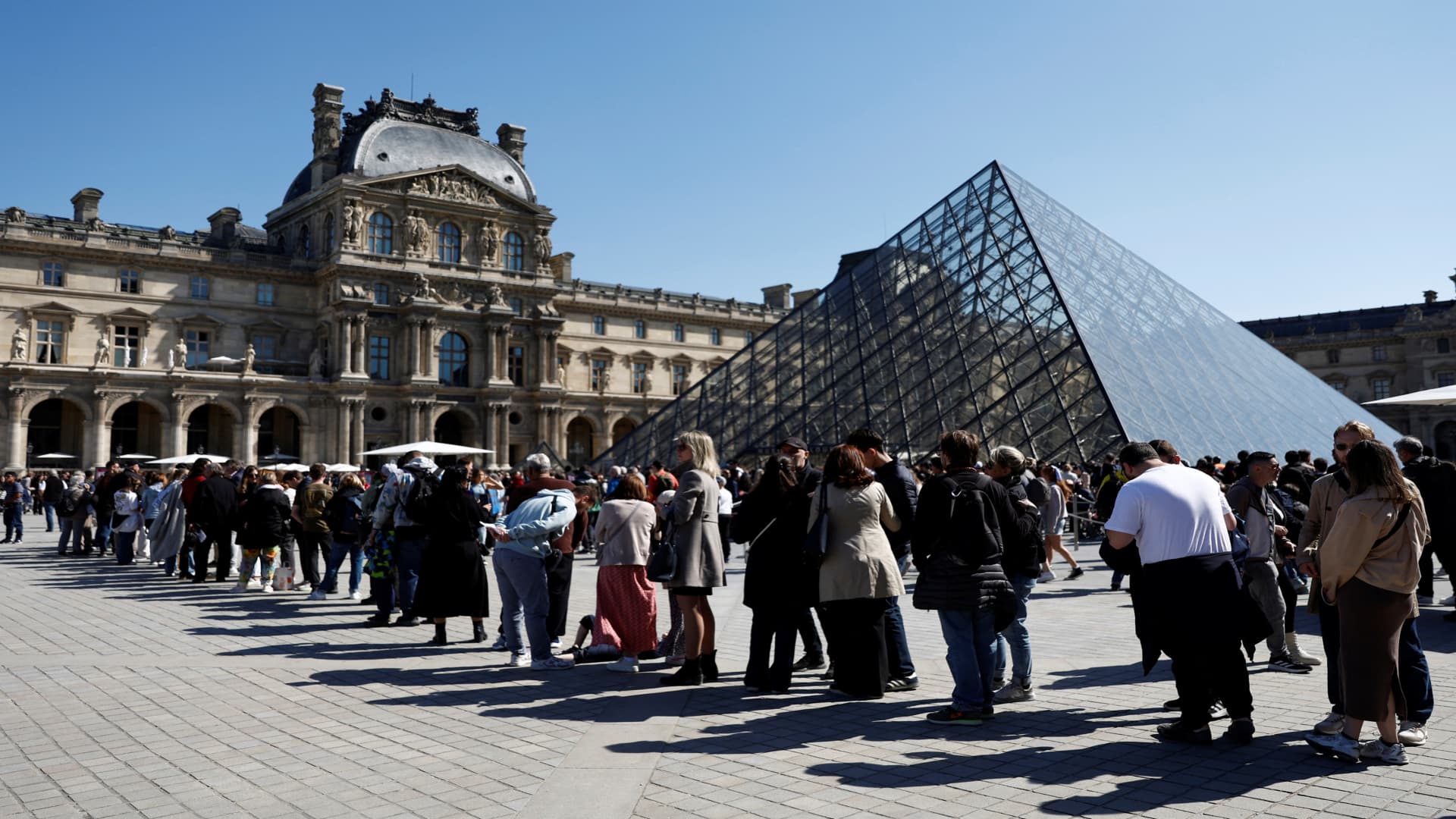
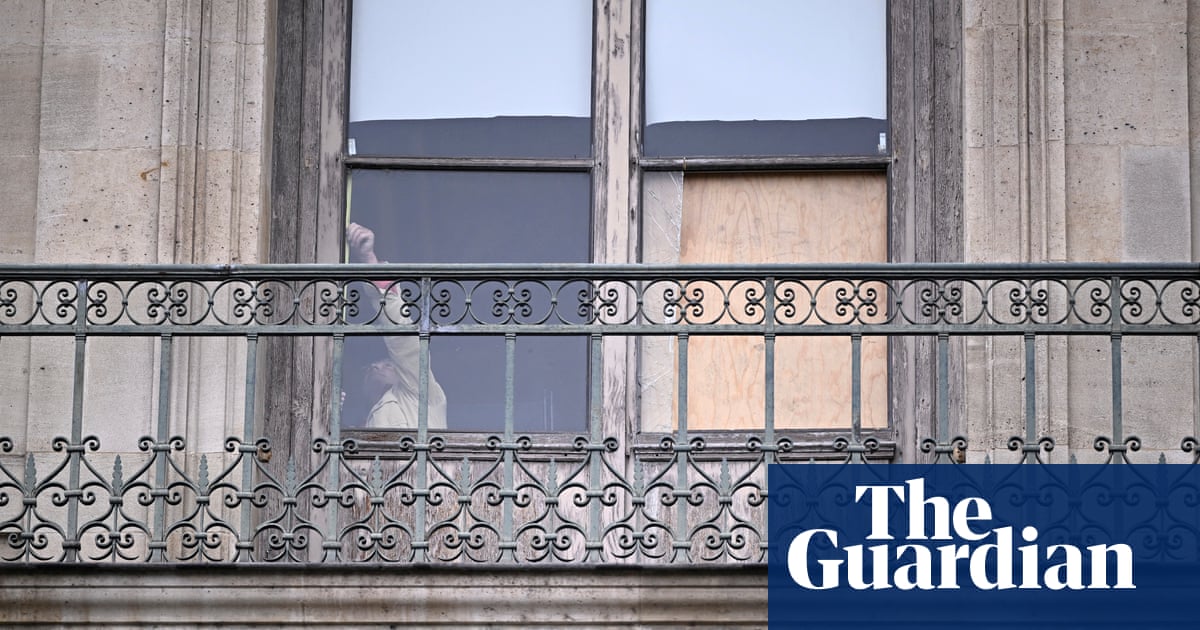
o break into the world’s most-visited museum in broad daylight, grab eight pieces of priceless Napoleonic jewellery and vanish into the Paris traffic on humble scooters may seem like the most audacious of crimes, carried out for international notoriety and ensuing Hollywood film treatments.
Experts who observe trends in international art crime, however, see Sunday morning’s heist at the Louvre as something more prosaic: the latest in a series of smash-and-grab thefts focused more on the material value of precious stones or metals than the artifacts’ significance, continuing a pattern that has emerged over the last decade in Germany, Britain and the US. The location, they suggest, would have been of secondary concern to the criminals.
“You may ask why thieves who want to steal expensive jewellery are breaking into a world-famous museum rather than a Cartier store,” said Christopher A Marinello, a leading expert in the recovery of stolen works of art. “The answer is simple: it’s because these days a Cartier store is better protected.”