Plans for a fossil fuel project in Wadden Sea nature reserve have angered local people and campaigners, as political enthusiasm for renewables wanes
P
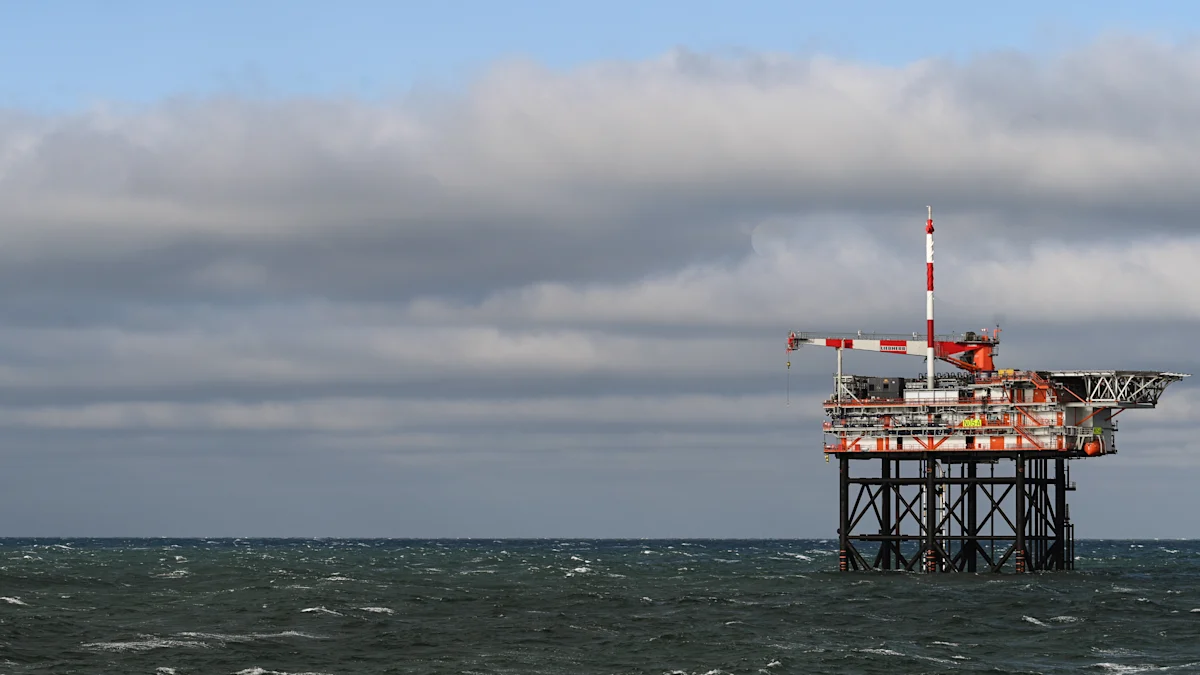
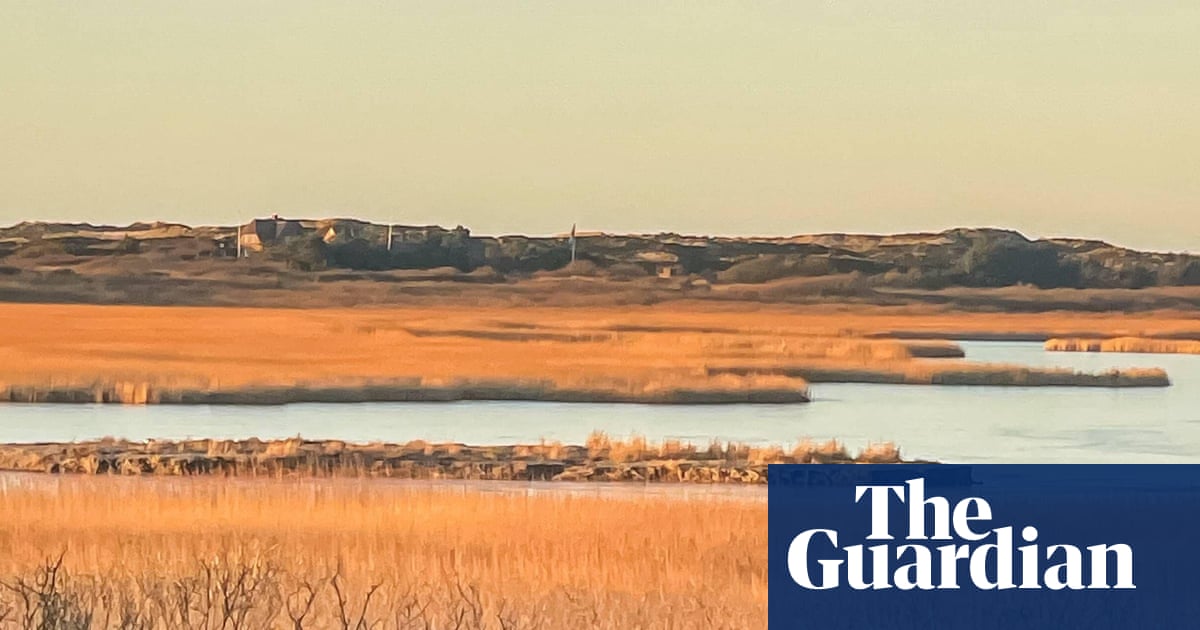
eering out on a clear day from the windswept dunes that dapple the north-western tip of Germany, on a gull-shaped island in the Wadden Sea nature reserve, tourists hoping to spot seals may soon see a dark metal platform rise out of the water.
The planned structure is one of several fossil fuel projects that Germany is pushing to build despite a legal deadline to stop polluting the atmosphere with carbon emissions in 20 years’ time. The joint Dutch-German venture, which received the green light from regional authorities last month, seeks to extract 13bn cubic metres of gas from just outside a protected area at the marine border between the two countries.
Campaigners have criticised the project because it will mean drill for gas more than four years after the International Energy Agency warned that new oil and gas development was incompatible with its roadmap to stop the planet heating by 1.5C (2.7F). It has also frustrated residents of Borkum, the island closest to the platform, which is striving to end its own reliance on the fuel for heating by 2030.