Visitors being searched at the exit of the Louvre Museum after the theft of the painting 'Le Chemin de Sèvres' by Camille Corot on May 3, 1998. JACK GUEZ/AFP
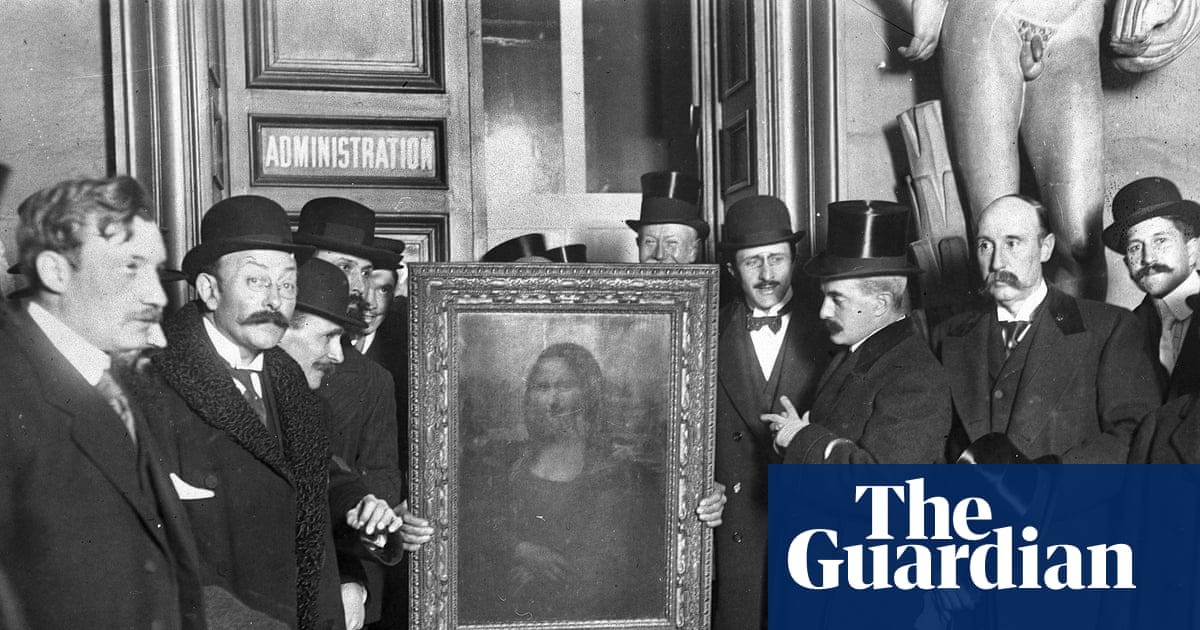
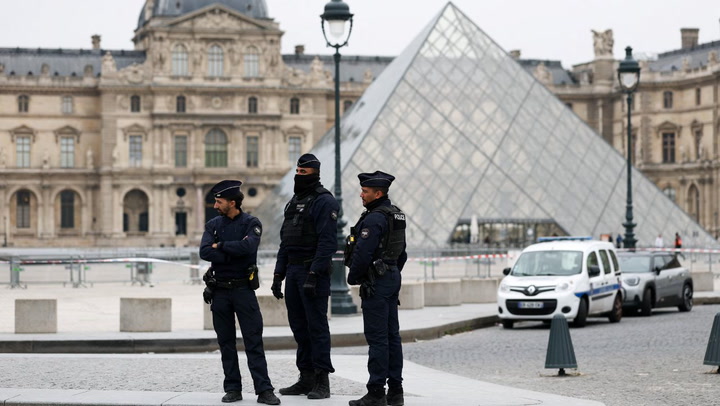
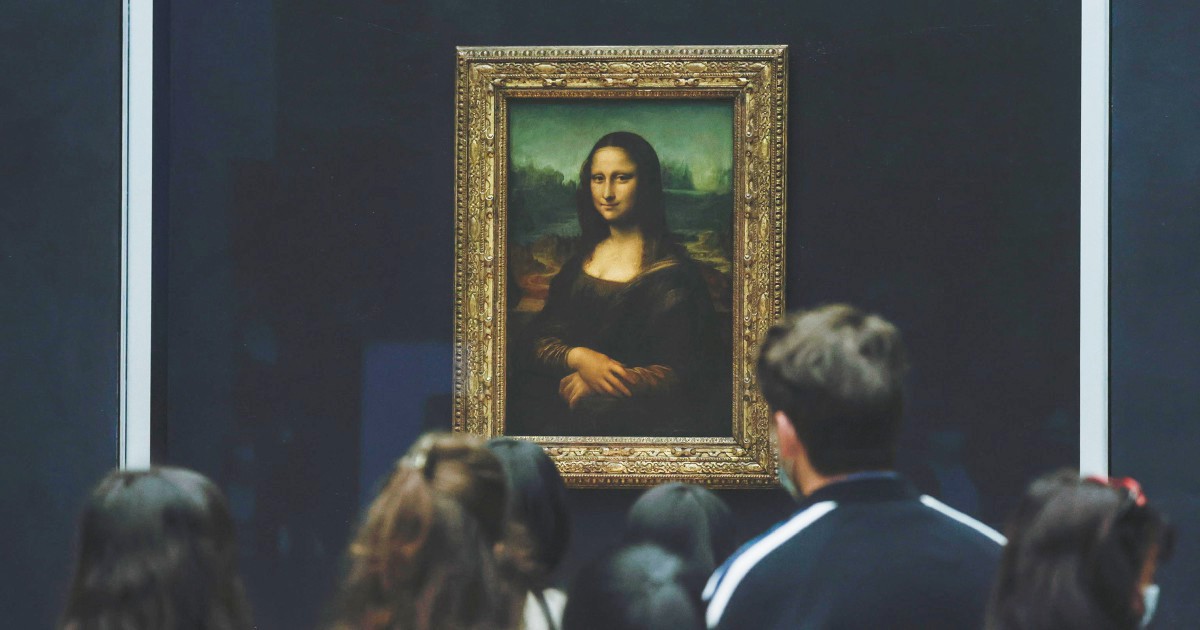
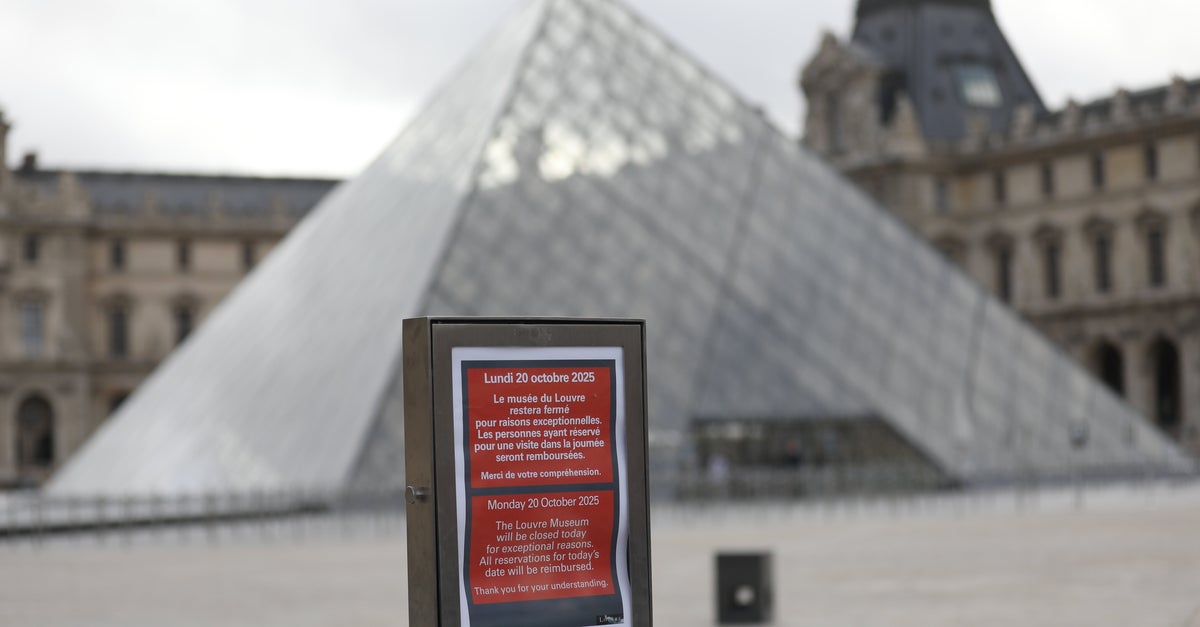
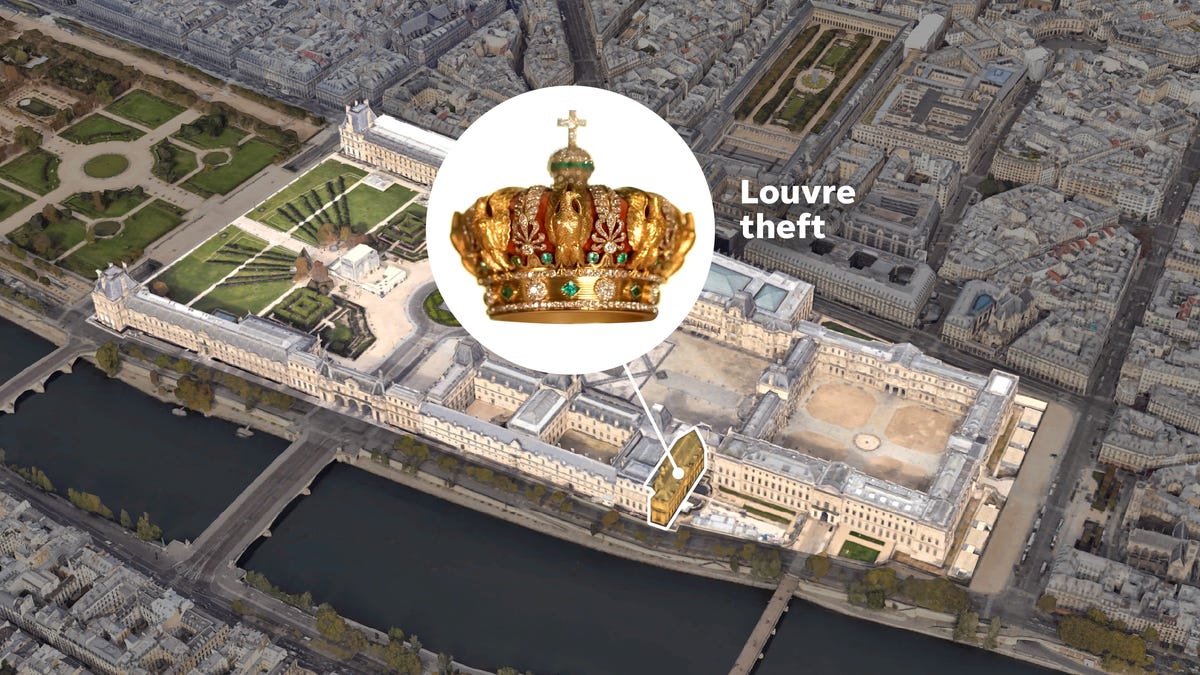
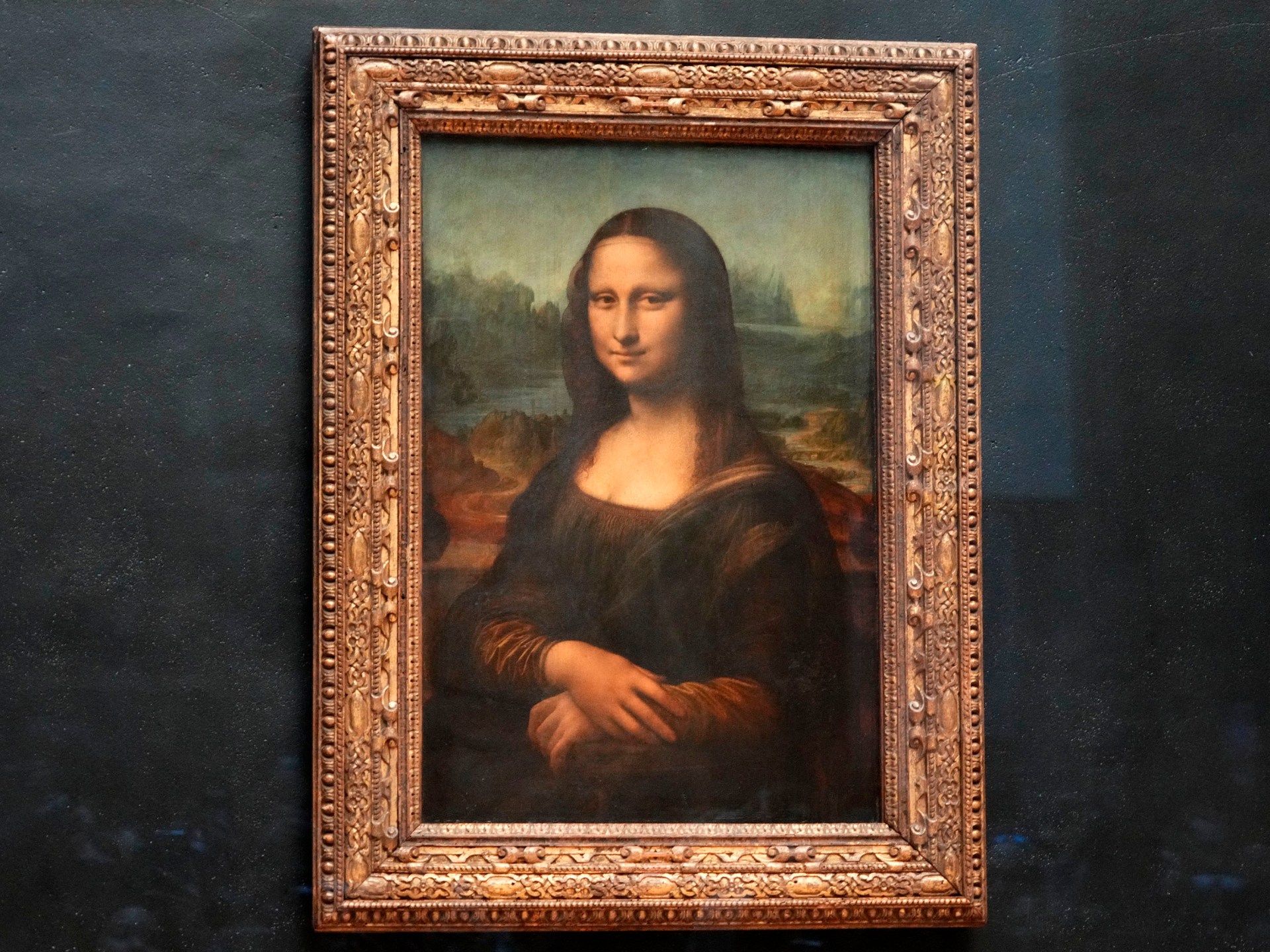
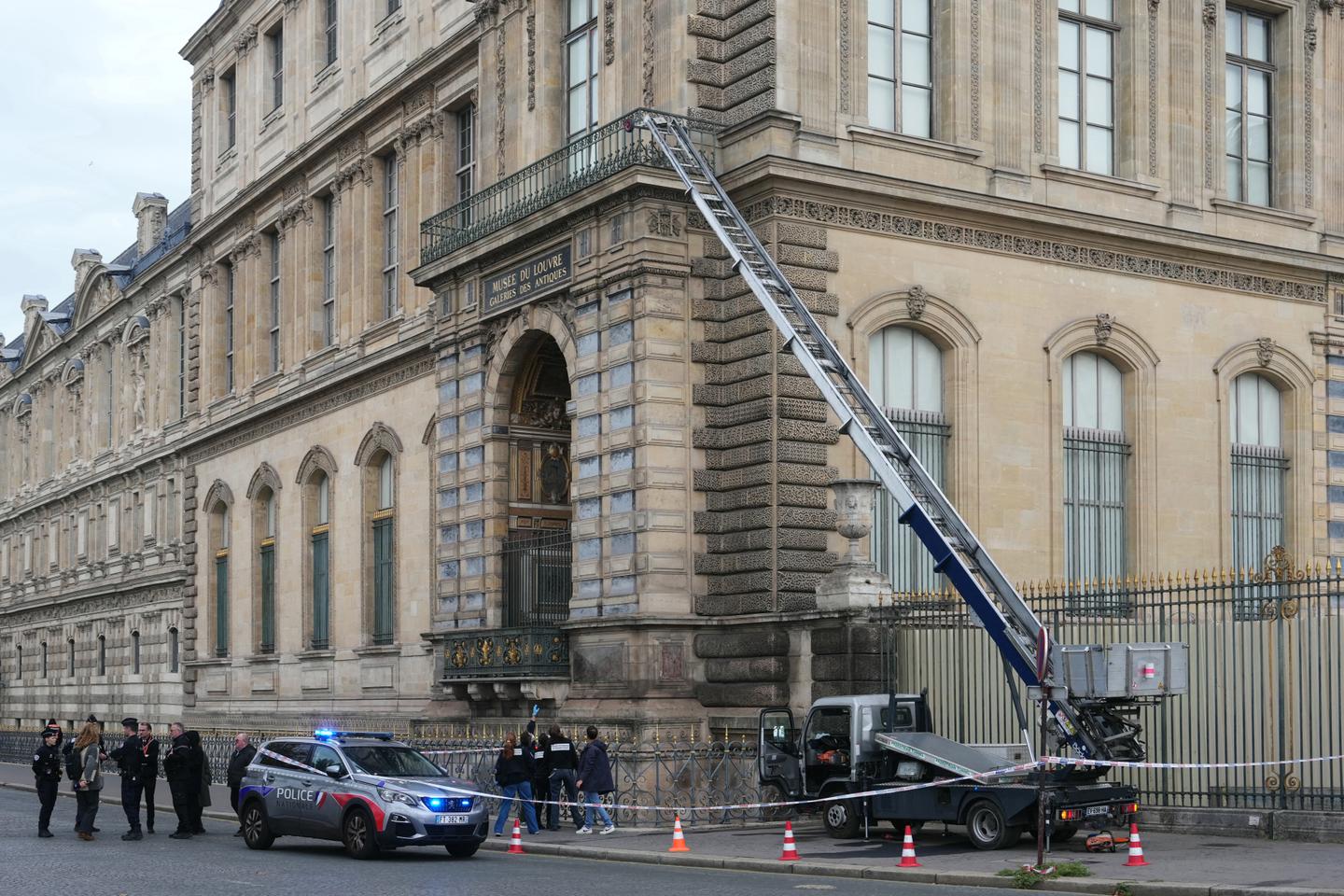
While the break-in at the Louvre Museum on Sunday, October 19, was unusual for its spectacular nature, it was far from the first. The most famous theft, which is not unrelated to the global renown the painting enjoys today, is, of course, that of the Mona Lisa, stolen on August 21, 1911, by Vincenzo Peruggia, an Italian house painter and glazier who had worked for the museum in that capacity.
Peruggia knew how to get inside, struck on a day the museum was closed and simply took the painting off the wall. He then hid it for two years (under his bed, legend has it) before being arrested in 1913 when he tried to sell it in Florence. To defend himself, he claimed he wanted to return the stolen work to its country of origin, overlooking or ignoring the fact that it had been acquired directly, or nearly so, from the artist by King François I in the 16th century.
This theft was preceded by others, committed in 1907 by a Belgian named Géry Pieret, who was secretary and also a source of inspiration for the poet Guillaume Apollinaire. He inspired the character of Baron d'Ormesan, a sham nobleman and notorious swindler, in L'Hérésiarque et Cie, published by Apollinaire in 1910.