Exclusive: Pictures depicting the most vulnerable and poorest people are being used in social media campaigns in the sector, driven by concerns over consent and cost
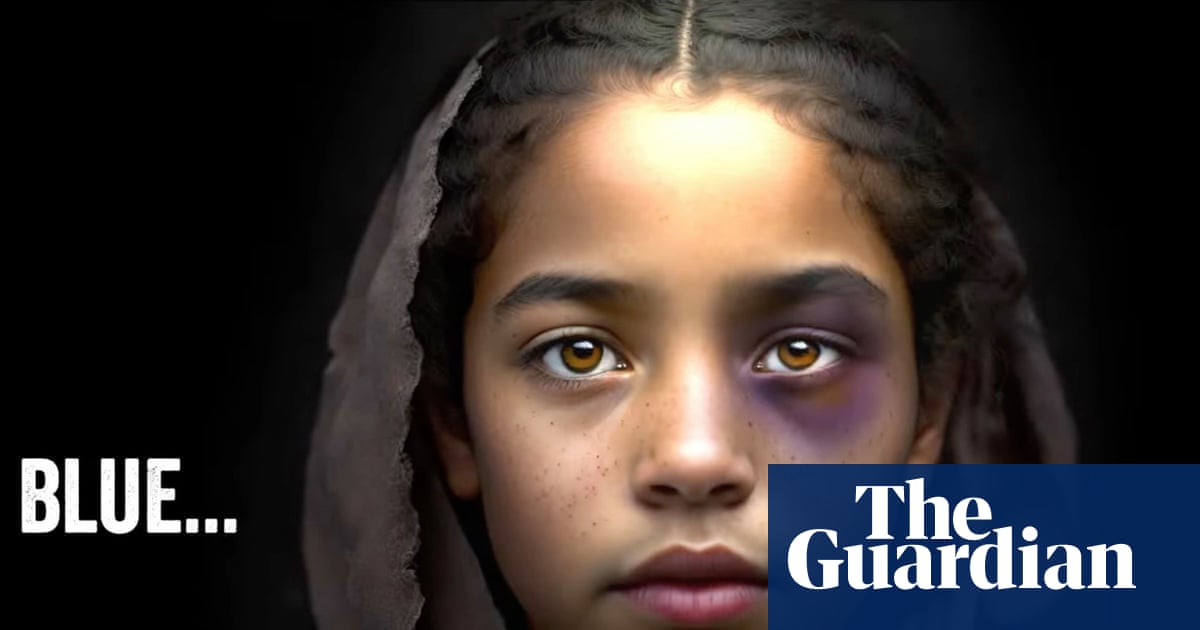
AI-generated images of extreme poverty, children and sexual violence survivors are flooding stock photo sites and increasingly being used by leading health NGOs, according to global health professionals who have voiced concern over a new era of “poverty porn”.
“All over the place, people are using it,” said Noah Arnold, who works at Fairpicture, a Swiss-based organisation focused on promoting ethical imagery in global development. “Some are actively using AI imagery, and others, we know that they’re experimenting at least.”
Arsenii Alenichev, a researcher at the Institute of Tropical Medicine in Antwerp studying the production of global health images, said: “The images replicate the visual grammar of poverty – children with empty plates, cracked earth, stereotypical visuals.”
Alenichev has collected more than 100 AI-generated images of extreme poverty used by individuals or NGOs as part of social media campaigns against hunger or sexual violence. Images he shared with the Guardian show exaggerated, stereotype-perpetuating scenes: children huddled together in muddy water; an African girl in a wedding dress with a tear staining her cheek. In a comment piece published on Thursday in the Lancet Global Health, he argues these images amount to “poverty porn 2.0”.