https://arab.news/27peb
For decades, the bedrock of global economic power was simple: It lay beneath the earth. Nations blessed with vast reserves of oil and gas held the keys to prosperity. But as we accelerate into the digital century, a new, more potent currency of innovation is emerging — one that is not extracted from the ground, but cultivated in the mind. That currency is talent.
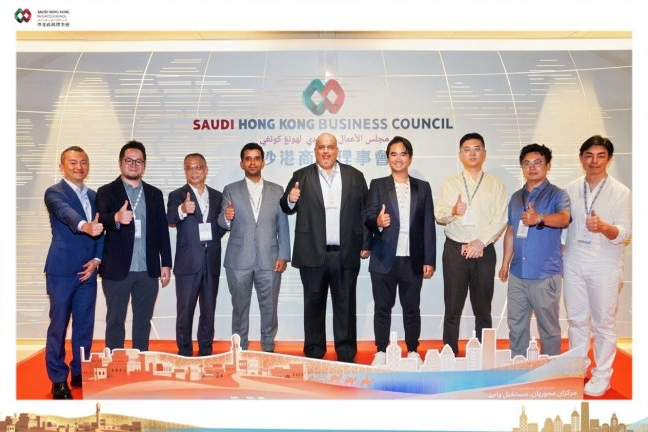
Nowhere is this paradigm shift more vividly illustrated than in the burgeoning partnership between Saudi Arabia and the Hong Kong special administrative region of the People’s Republic of China. Their collaboration is more than a bilateral agreement; it is a live case study in how economies built on resources and economies built on human capital can converge to define the future of fintech.
Historically, these two regions have represented opposing models of economic prosperity. Saudi Arabia’s wealth has been powerfully driven by its subterranean assets, with energy long accounting for the lion’s share of its national economy. Hong Kong, by stark contrast, possesses virtually no natural resources. Its enduring success is built on its strategic port, agile governance and, most critically, deep reservoir of human talent. This commitment to cultivating intellect is evident in its educational landscape; the city is home to the world’s highest concentration of elite universities, a remarkable 56 percent of its government-funded universities consistently ranked within the world’s top 100. This robust foundation, in turn, makes Hong Kong a powerful magnet for international professionals, who are drawn to its dynamic ecosystem, bringing with them cutting-edge skills and innovative thinking. Consequently, for Hong Kong, talent is not merely an asset; it’s the very bedrock of its existence.