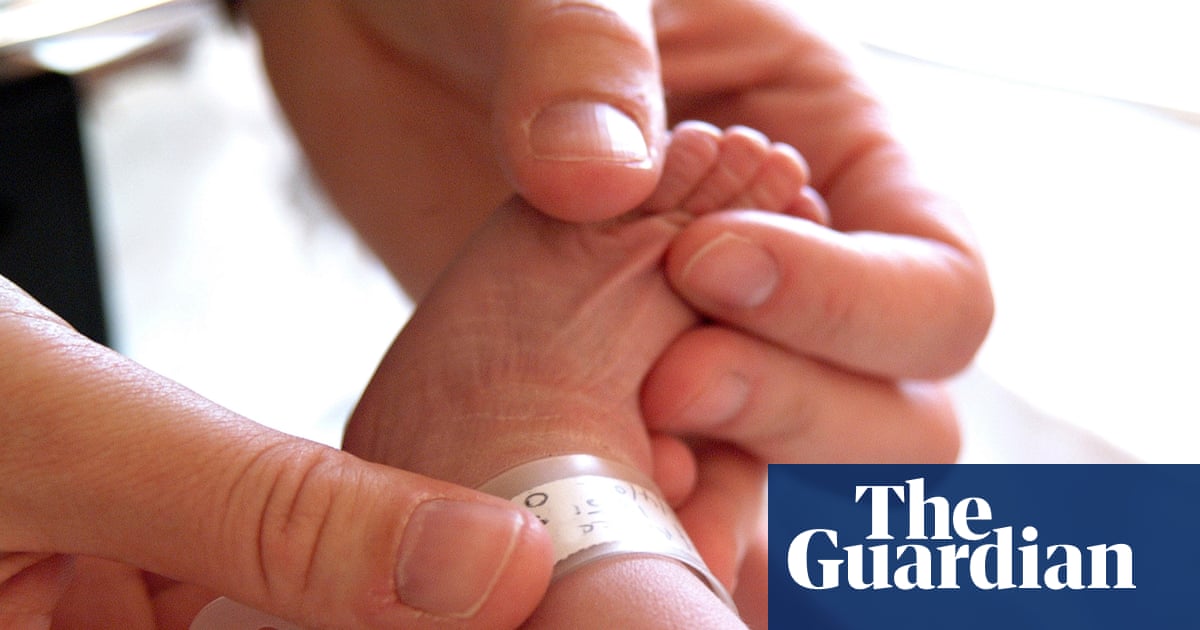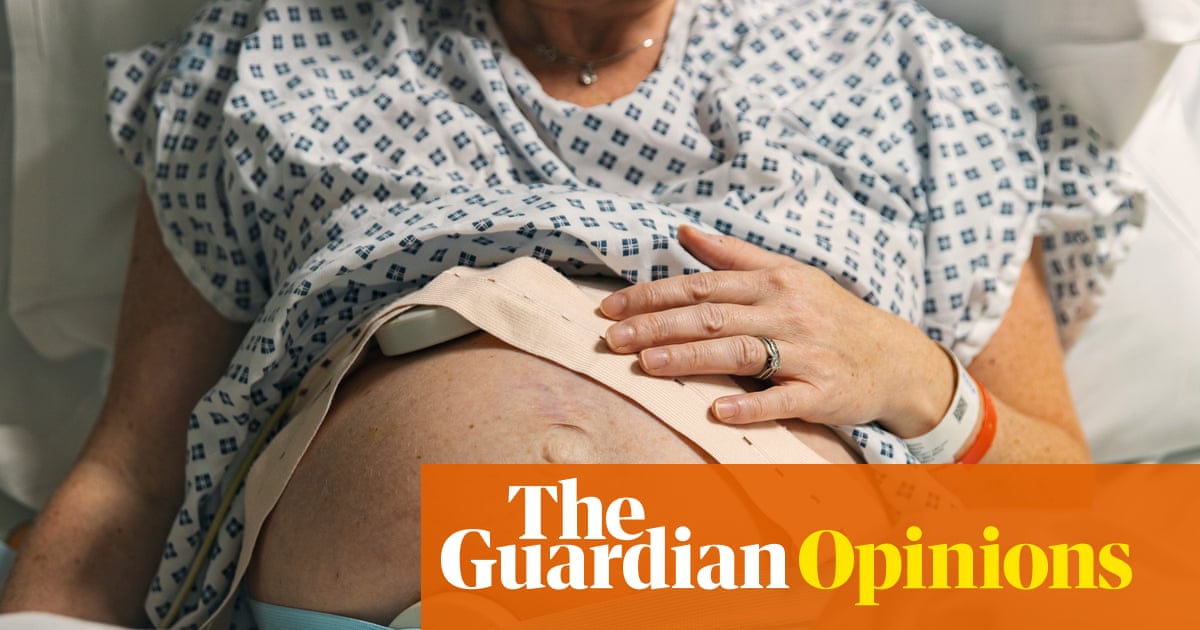
Grave shortcomings in the care offered to mothers and babies are well documented. But it is not clear that the right lessons have been learned
T
he startling rise in the cost to the NHS in England of medical negligence cases, and a sharp increase in birth injuries to mothers, are the latest warning signs of deeply troubling failures in maternity services. The £60bn estimate of negligence liabilities, from the National Audit Office, represents a quadrupling in less than 20 years. While some medical specialties have seen falling payouts, those in obstetrics rose. The reason why payments in such negligence cases are so high is that when babies are injured, awards must cover lifetime care needs.
Grave shortcomings in maternity care are widely recognised, along with unjust disparities in outcomes for women from different socioeconomic and racial groups. Preventable deaths and injuries at units in Morecambe Bay, Shrewsbury and Telford, and East Kent, have been among the most shocking patient safety scandals of recent years.
Investigations following these and other tragedies revealed a range of problems including poor collaboration between clinicians, weak leadership, a lack of openness and inability to learn from mistakes, inadequate staffing, and bad practice including a lack of monitoring. Yet despite long lists of recommendations, and some improvements including in the use of data, it is impossible to be confident that past mistakes could not be repeated. Two years ago the Care Quality Commission rated two-thirds of maternity units inadequate or requiring improvement. Last year, the first parliamentary report about birth trauma suffered by women concluded that “poor care is all‑too-frequently tolerated as normal, and women are treated as an inconvenience”.