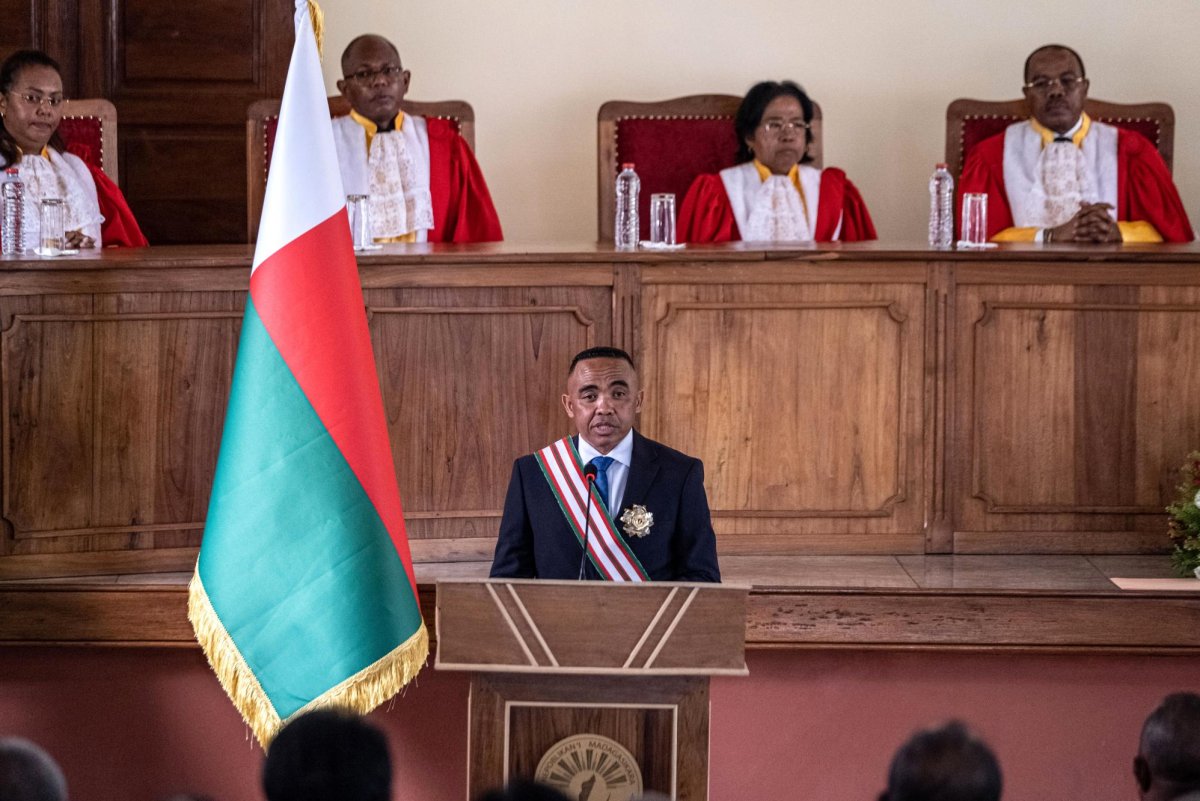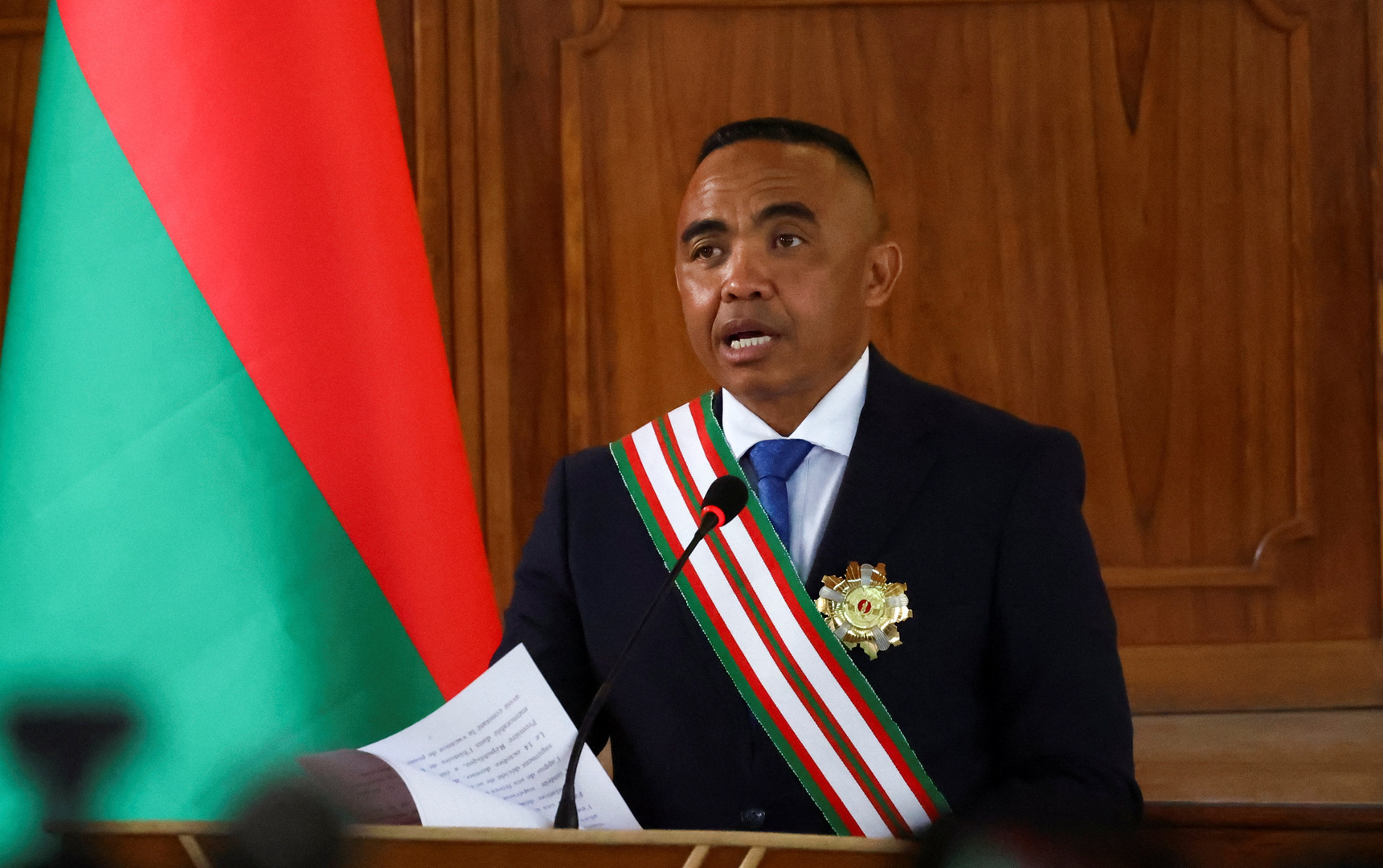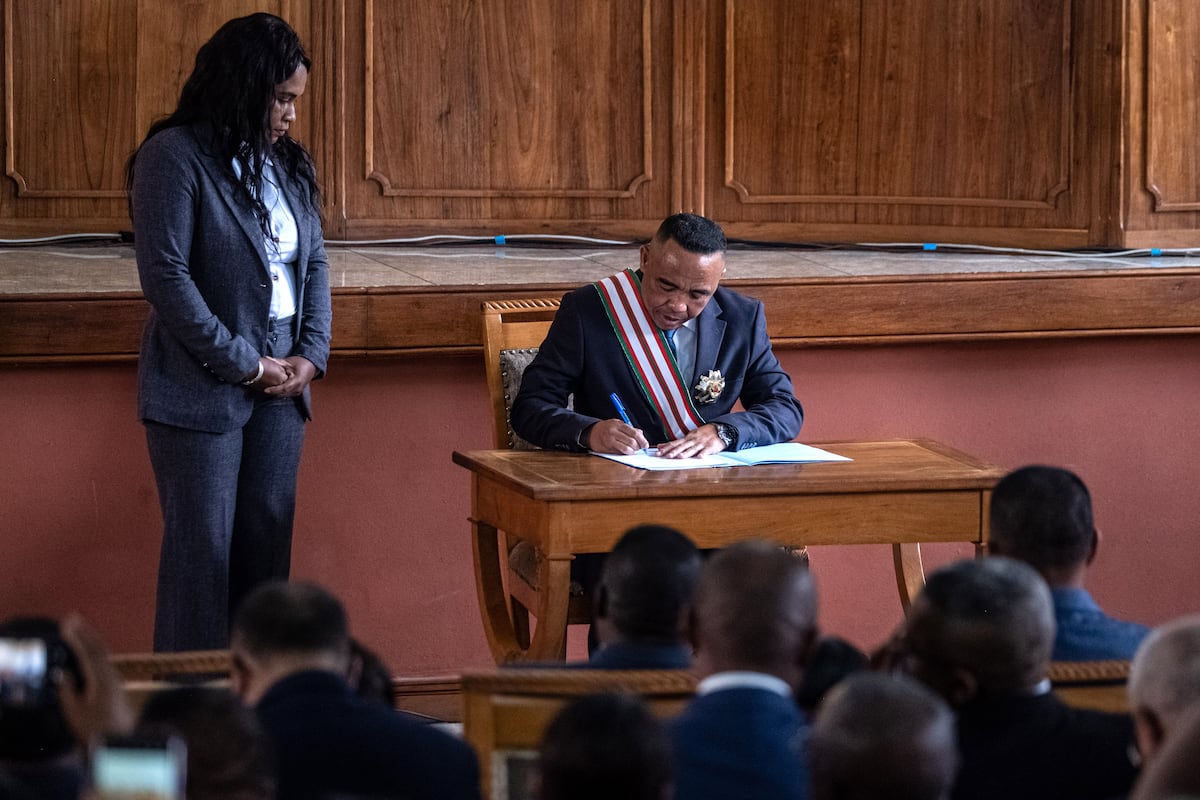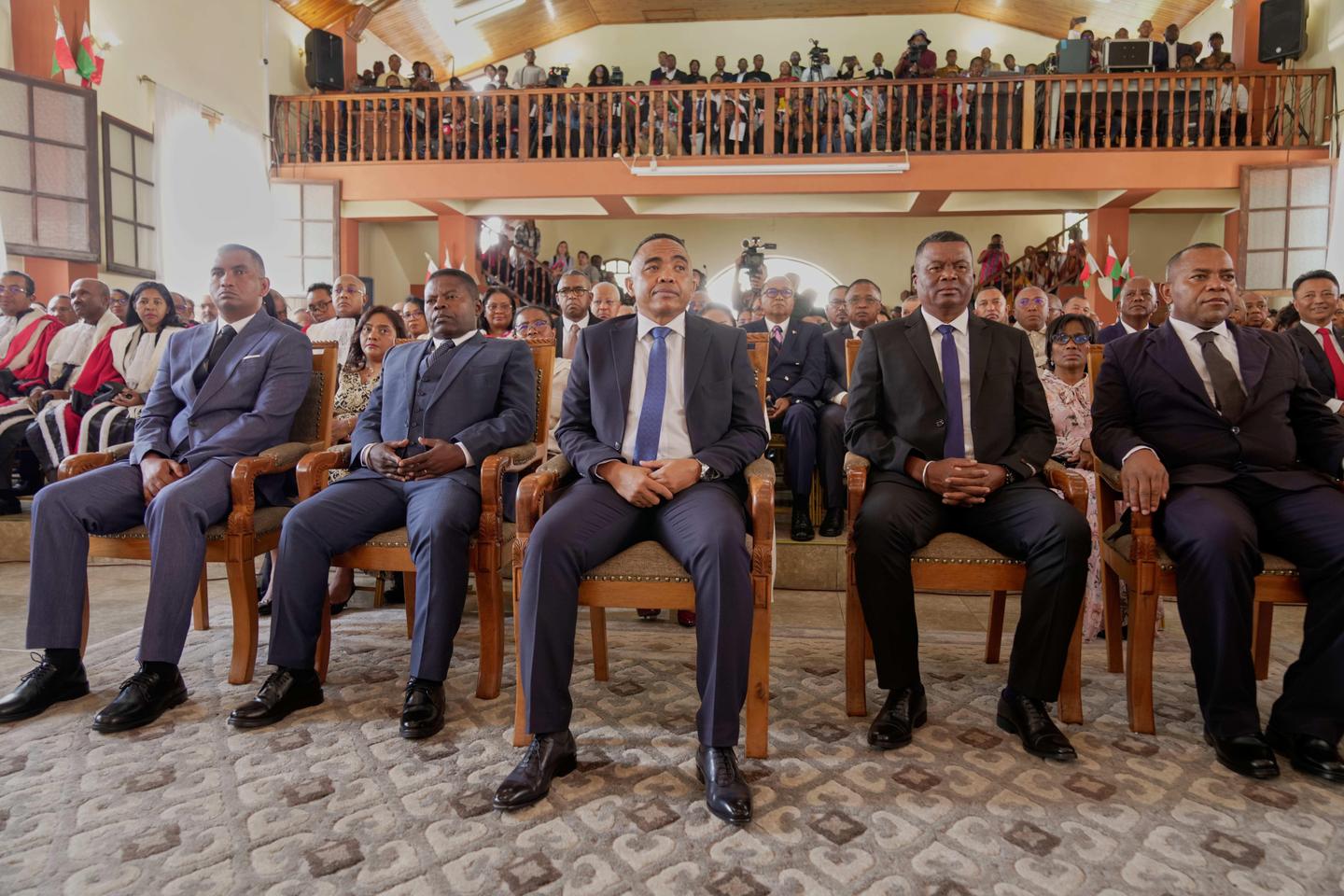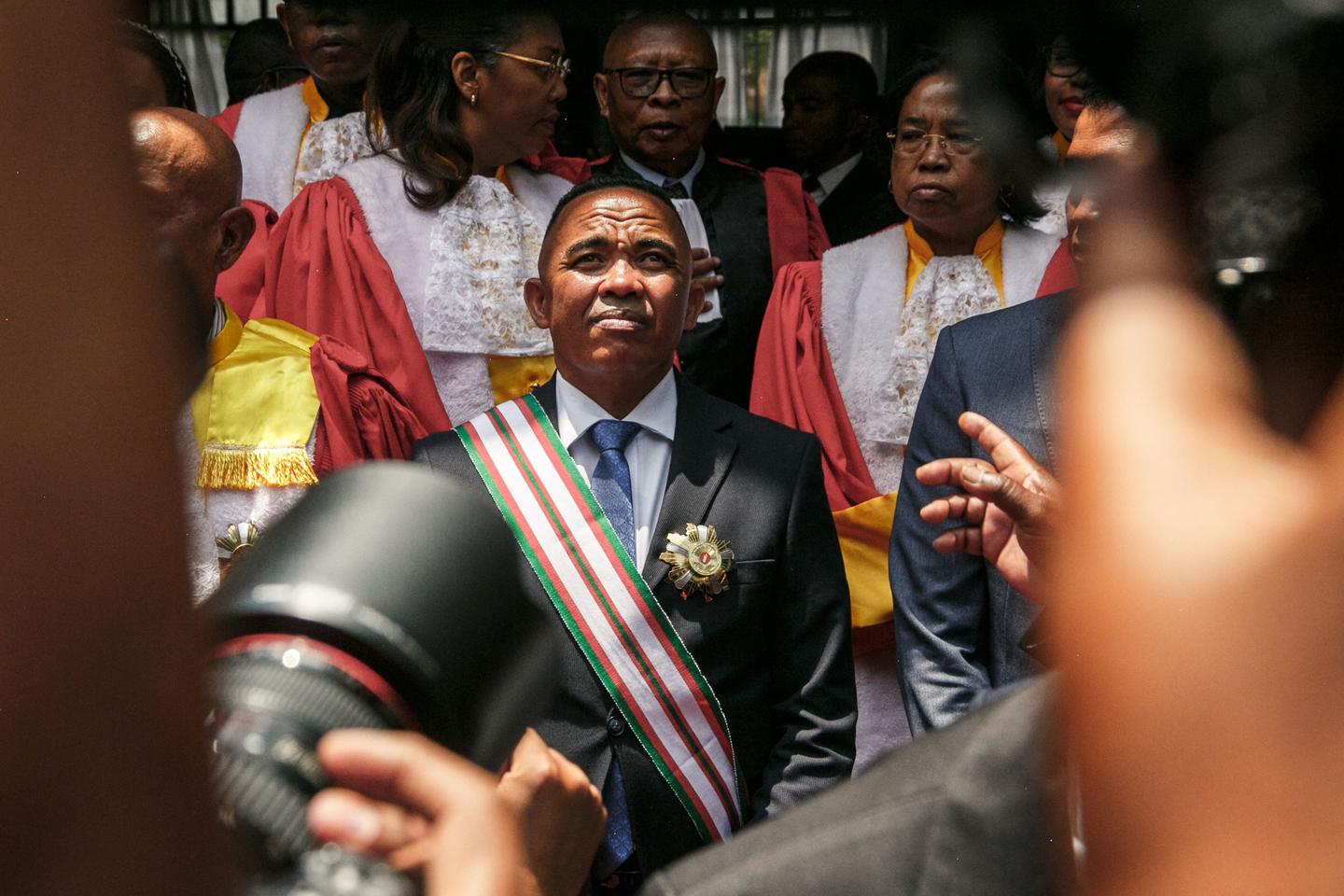
The new president of Madagascar, Michaël Randrianirina, after his inauguration ceremony in Antananarivo, on October 17, 2025. RIJASOLO/AFP
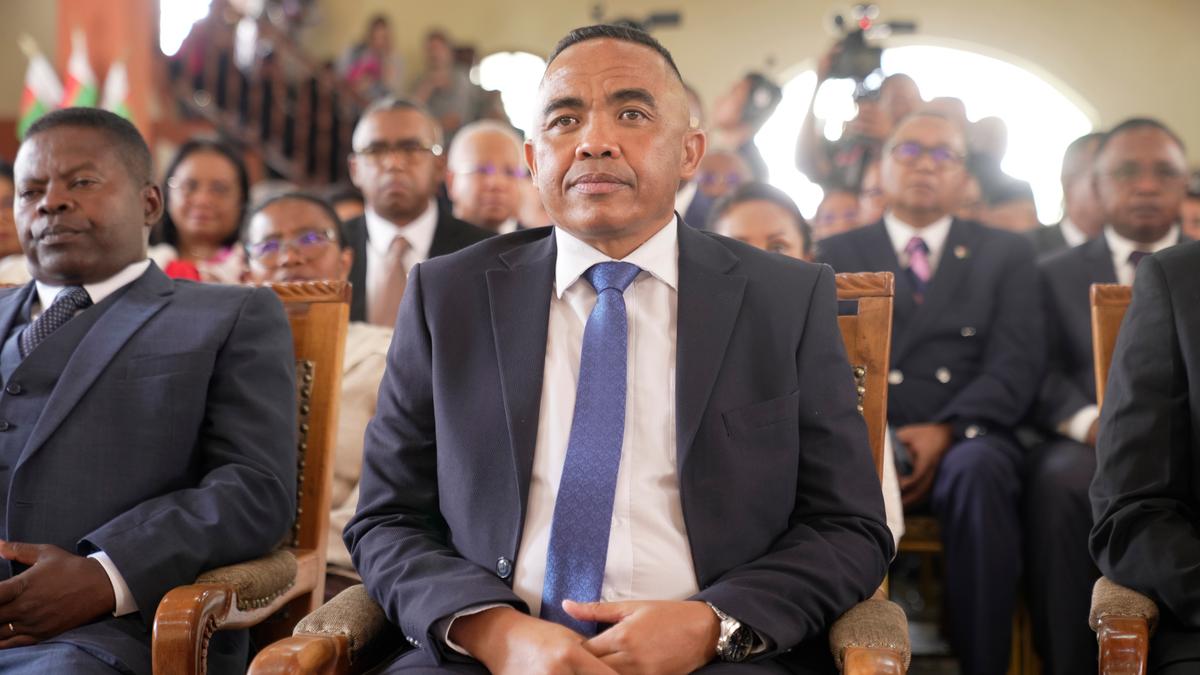
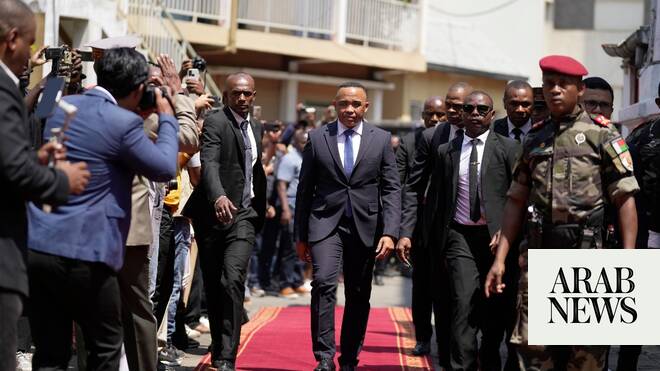
Colonel Randrianirina – until recently almost unknown, and now, in Madagascar, referred to by everyone simply as Michael – entered through the side entrance of the High Constitutional Court (HCC) in Antananarivo. Amid the packed rows on the morning of Friday, October 17, it was not immediately obvious that the 51-year-old man, short in stature and calm in his movements, was about to be appointed president at the end of the ceremony, having entered the court's chamber unnoticed.
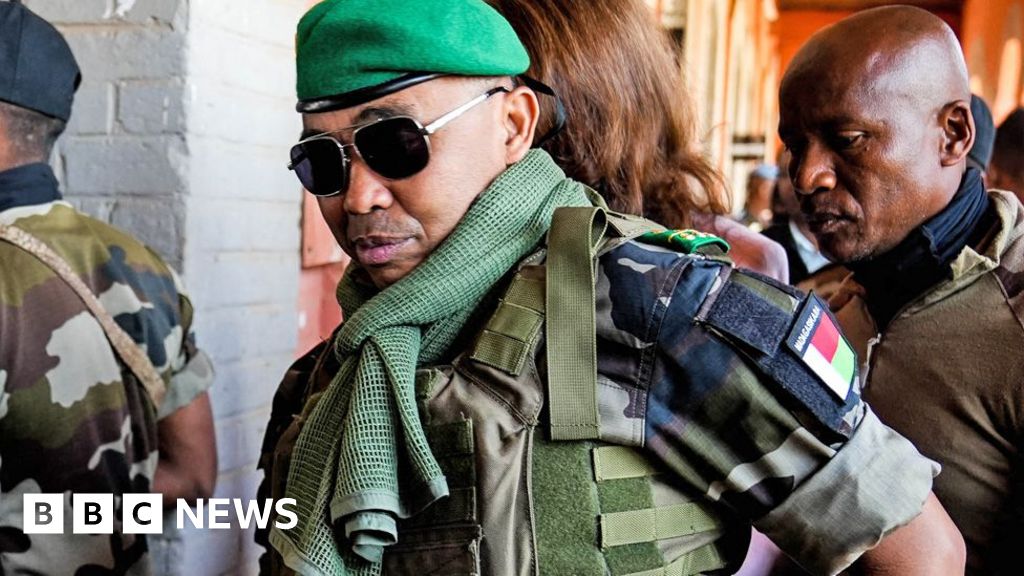
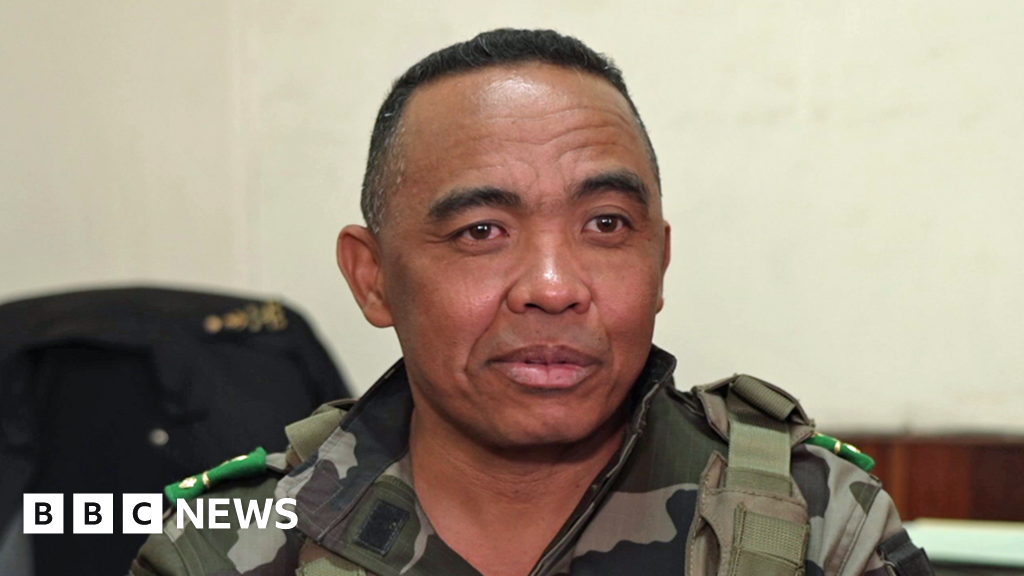
Since he burst onto the forefront of the Malagasy political crisis on October 11, when he led the soldiers of the unit he commands, the Capsat (contingent of the army's administrative and technical personnel corps), to support the Gen Z demonstrators – triggering the fall of President Andry Rajoelina's regime and his discreet departure from the country – Colonel Randrianirina had been constantly dressed military fatigues. Suddenly, wearing a suit, he looked different.
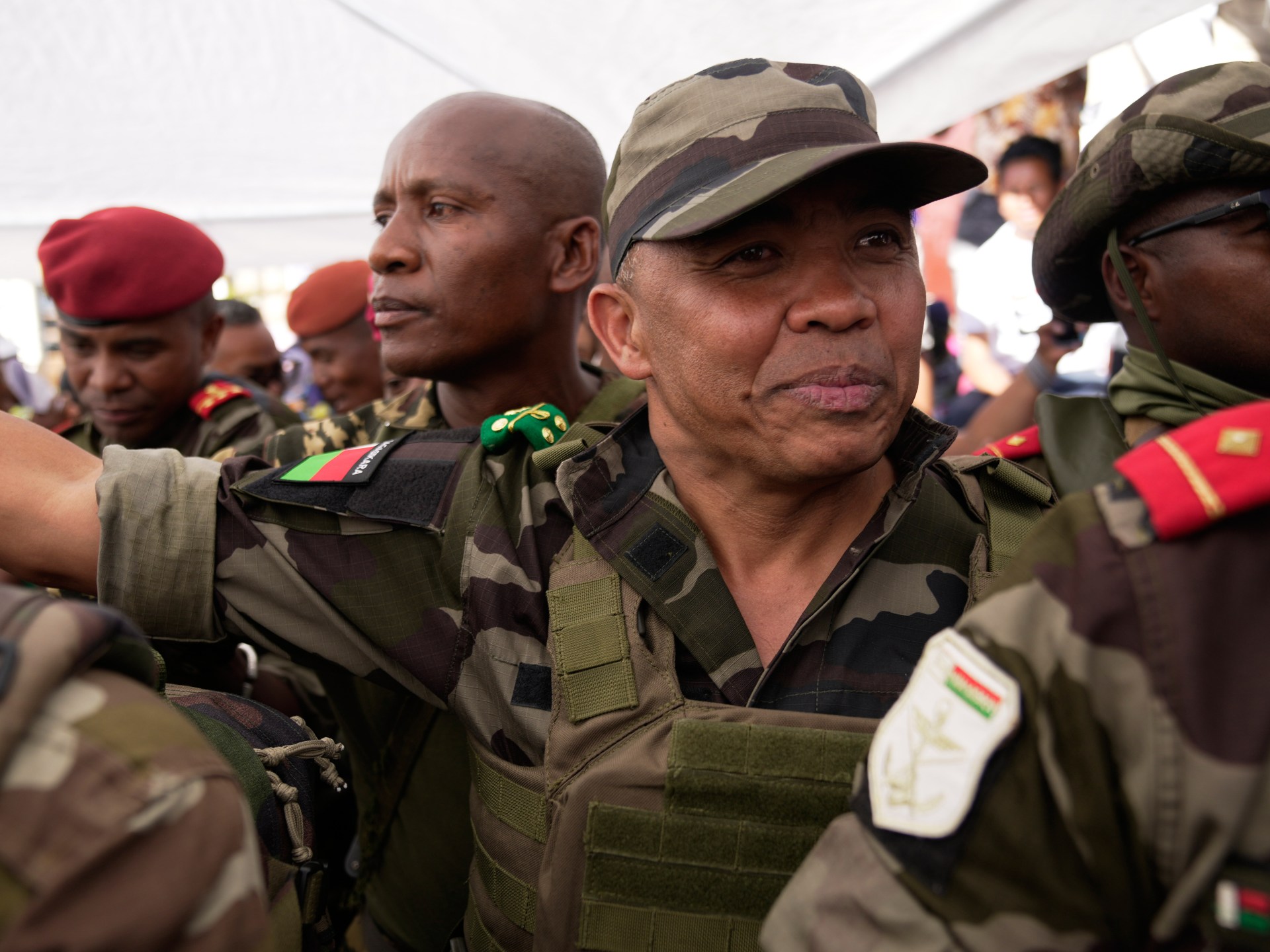
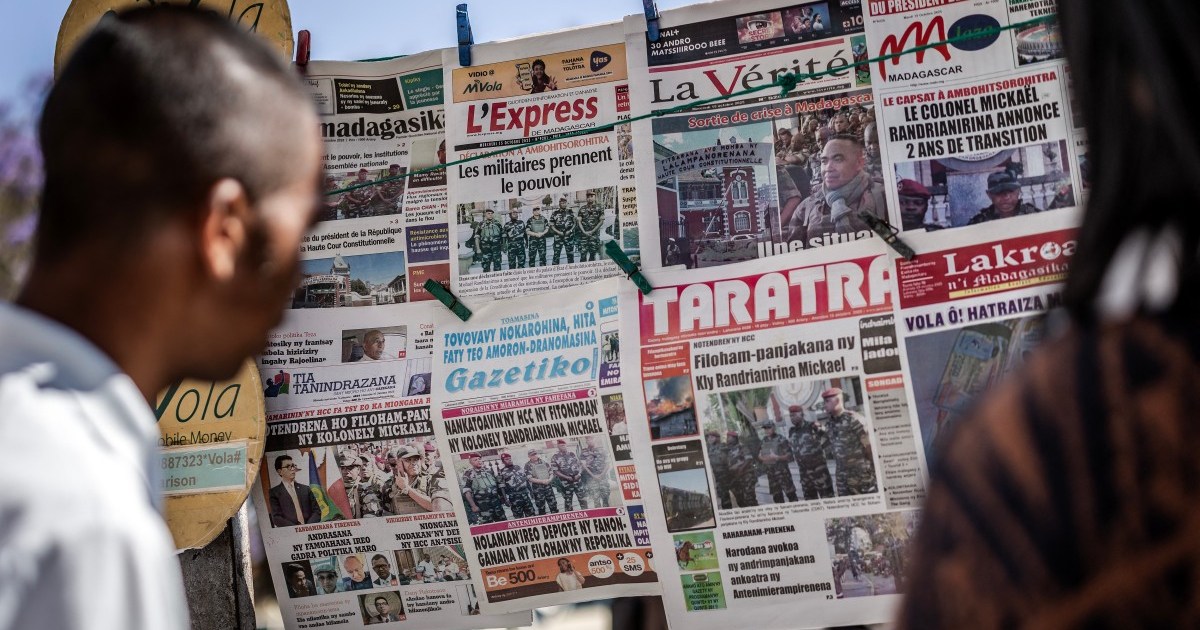
In his khaki uniform, he was seen haranguing the crowd from atop an armored vehicle, then bursting onto the scene Tuesday in front of one of the deserted presidential offices downtown, leading a group of officers to take control of the government. It had all the hallmarks of a coup. But acknowledging that risked immediate consequences: sanctions, suspension of international aid. That could potentially allow Russia to seize greater influence in Madagascar. The National Committee for the Defense of the Transition (CNDT), chaired by the colonel, therefore adjusted its approach.