Social media didn’t live up to its promises. So why do we think artificial intelligence will be any better?
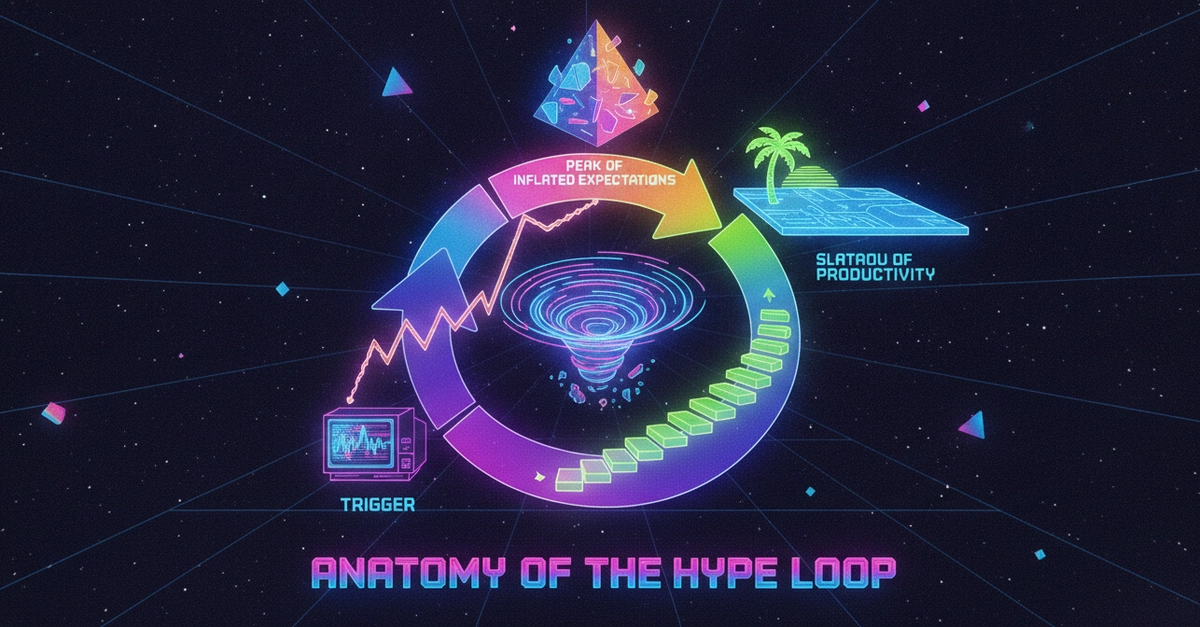
There is a “hype cycle” that maps the euphoria and hysteria generated by new technology and then the consequent plunge into the “trough of disillusionment” when it fails to deliver on its promises.
The Gartner Hype Cycle was coined in 1995, timely for the dotcom boom, and now traces the trajectory of artificial intelligence. We are at the “peak of inflated expectations” before we nosedive into that aforementioned disillusionment. Some would say we are already in freefall, with companies struggling to convert their investments into productivity.
Most creatives, workers, humans (actually, anyone except those who have invested the trillions into AI and will lose a lot of money from the inevitable puncturing of the hype) would welcome that freefall, that collective loss of belief.
As a writer, but more so as a tech worker, I’ve seen first-hand people’s propensity to believe in things they don’t understand, perhaps specifically because they don’t understand them. I once had a boss who spoke about my work in hushed and reverent tones because I was working on something that simply sounded a lot like AI – it was IA, or information architecture, which has nothing to do with AI except that it uses the same letters.