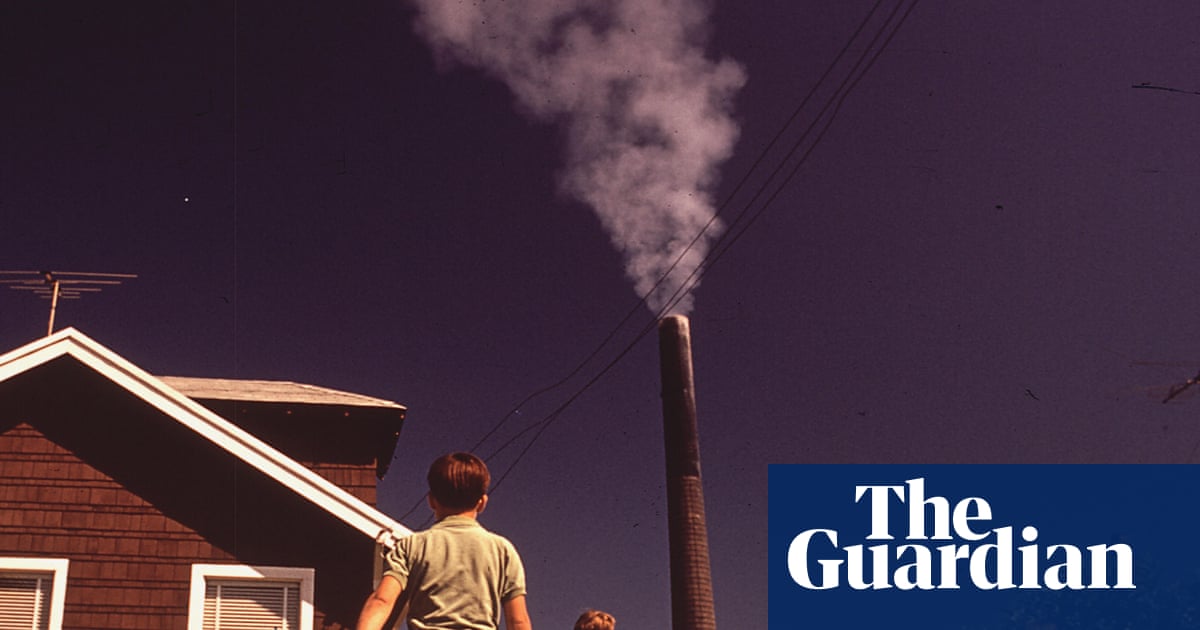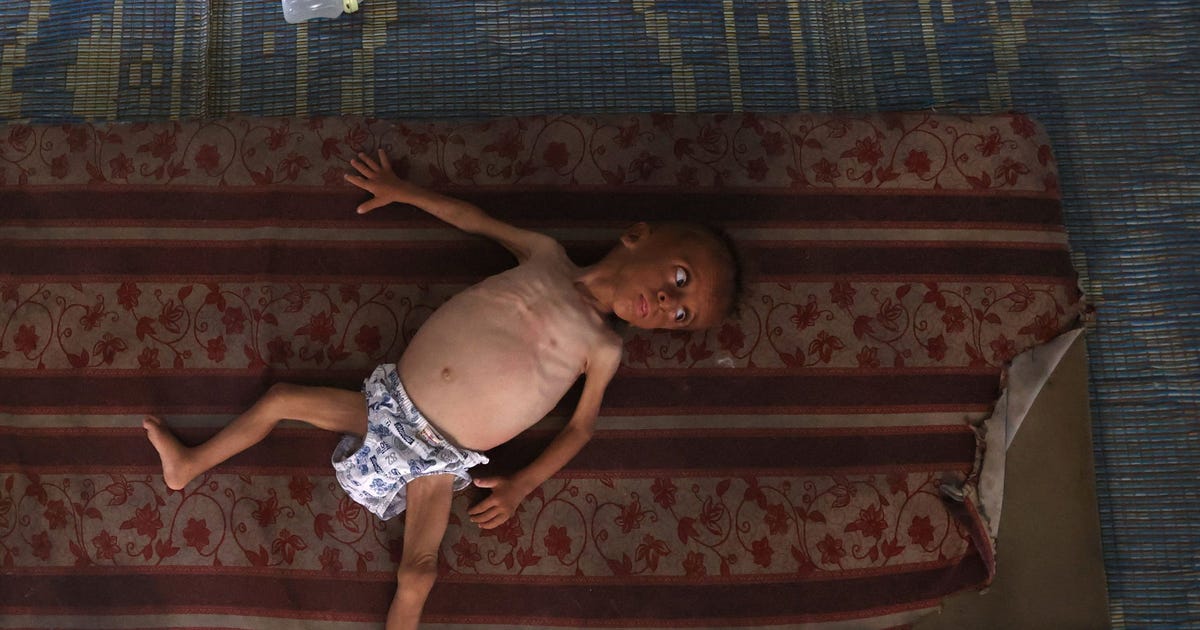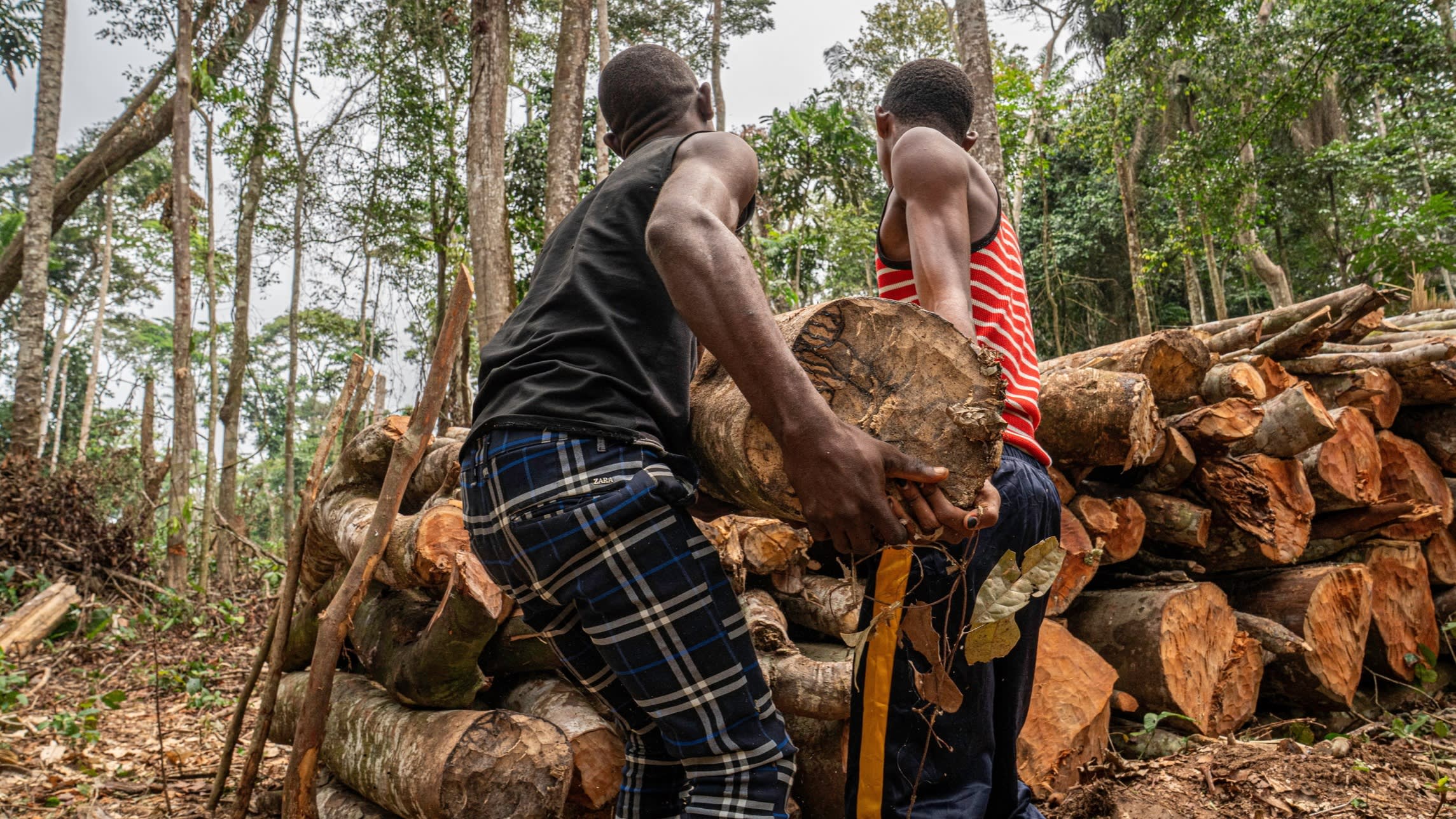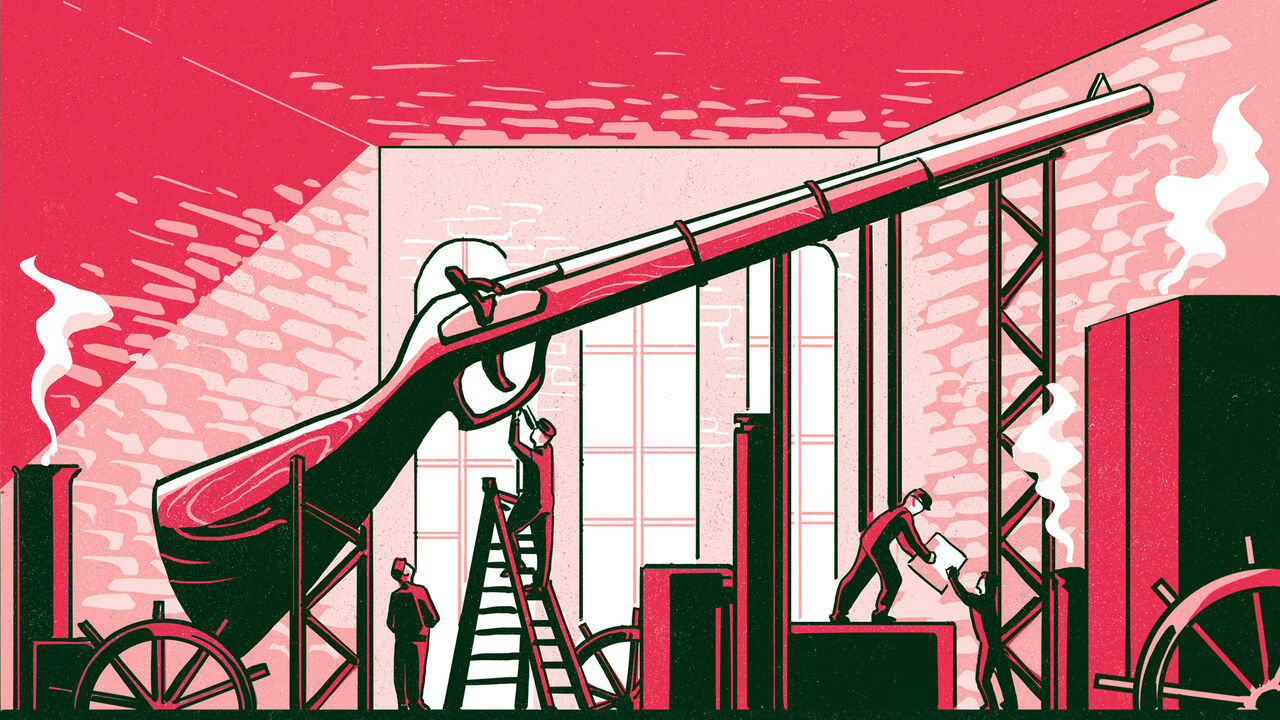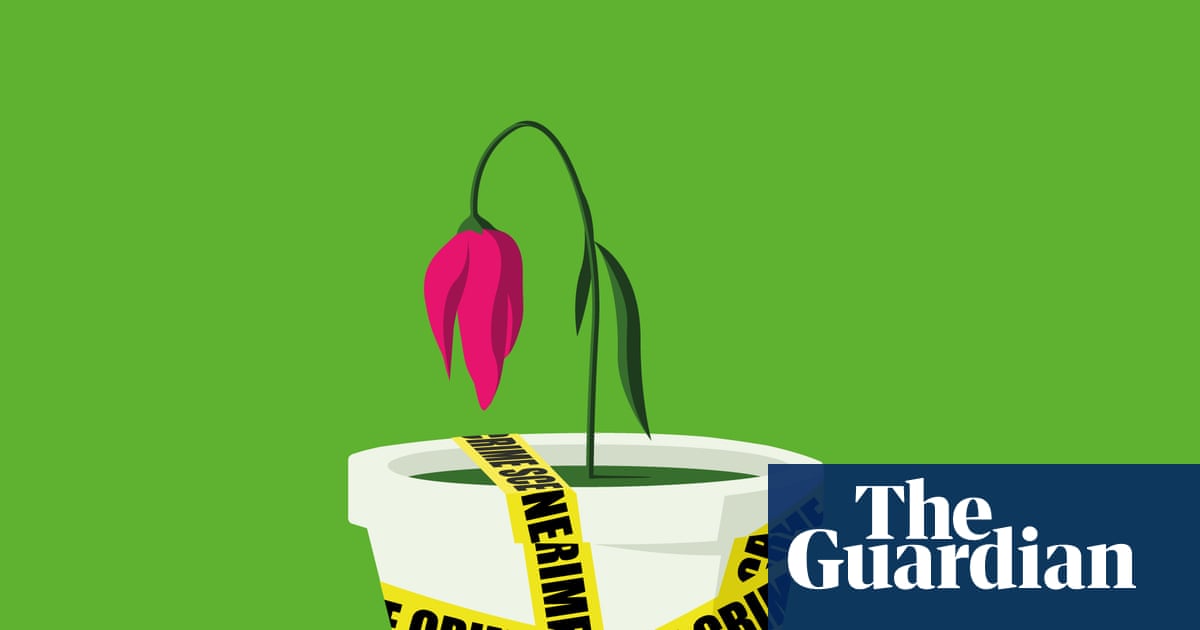
Serial killers and violent criminals dominate the headlines. What if we covered ecocide and pollution in the same way?
W
henever you read, watch, or listen to the news, you’re likely to be exposed to stories of violence and murder. As a criminal psychologist, I’m often asked to comment on these cases to pick apart the motives of the perpetrators. People want these kinds of insights because murders feel frightening and horrifying, but also oddly compelling. There’s a level of focus and fascination, and the way these crimes are covered profoundly influences our perception of what the most urgent problems facing society are.
One day it struck me that the world would be a very different place if environmental crimes were treated in the same way as murders. So, why aren’t they? And should they be?
At the moment such crimes can, mistakenly, feel distant and abstract. If someone came into your flat and set fire to your furniture, stole your valuables, killed your pet, added poison to your water … what would you do? You’d be terrified. You’d go to the police. You might want revenge. You’d certainly want justice. It would be entirely obvious to you that a crime had been committed.