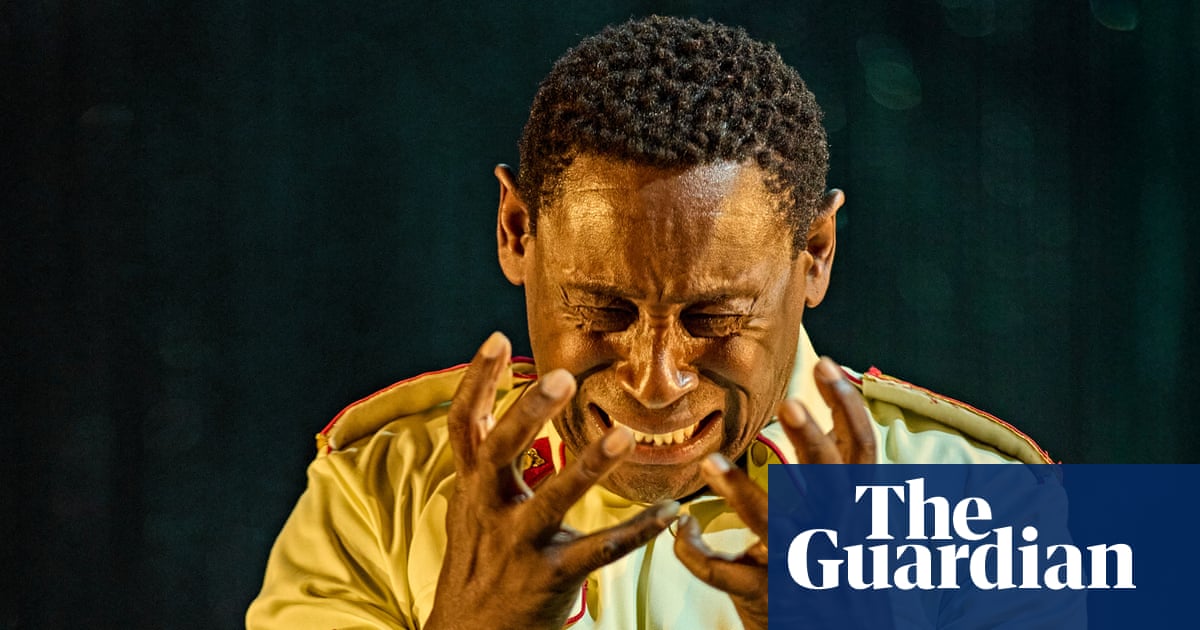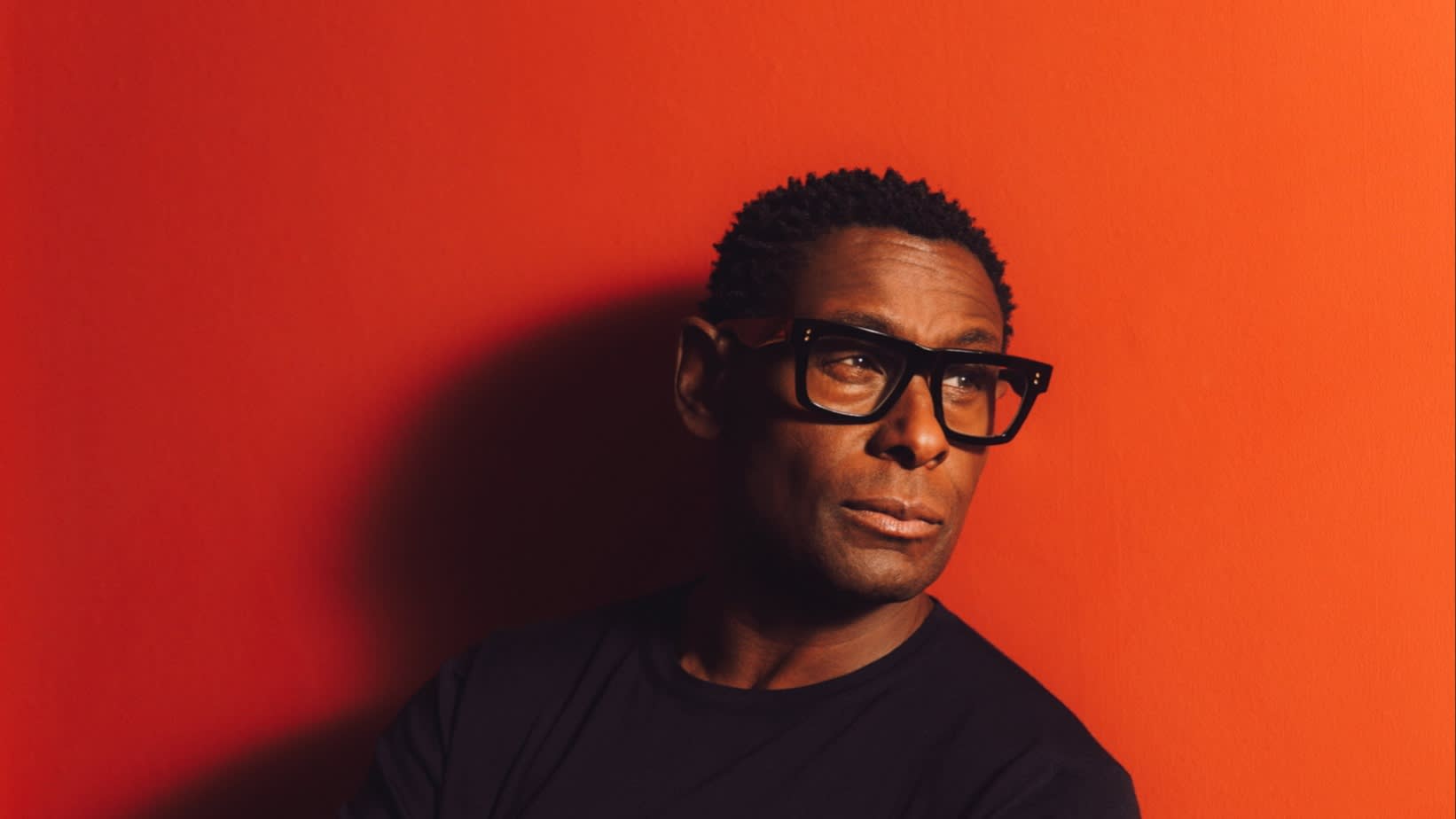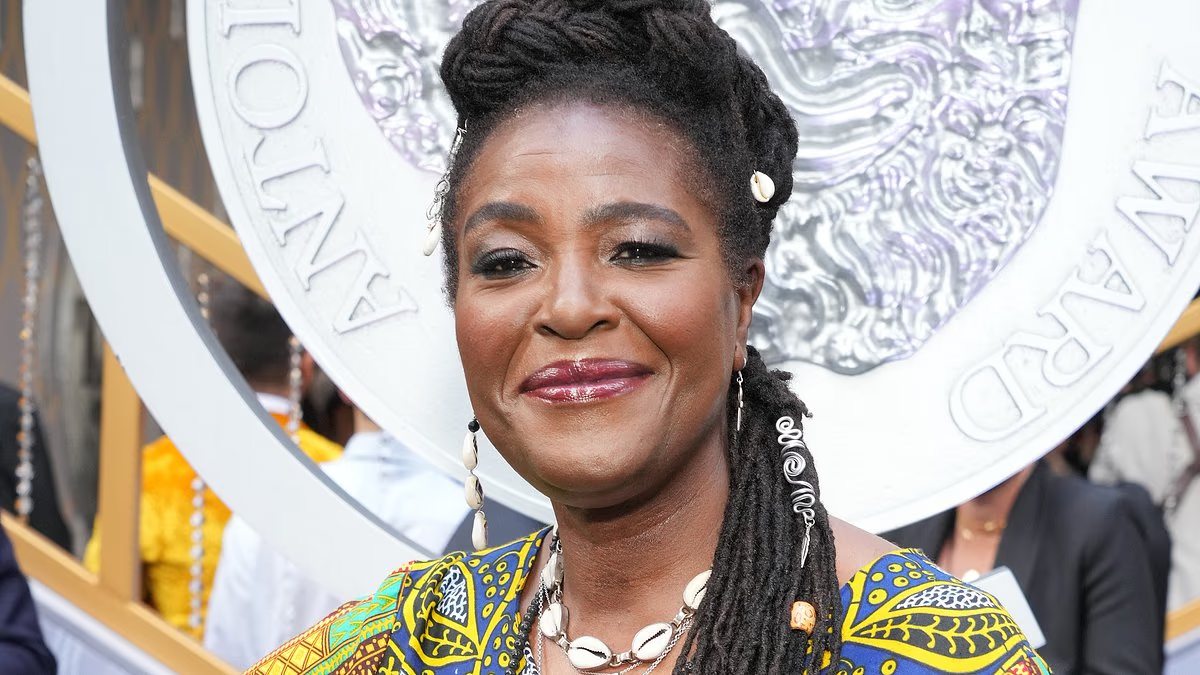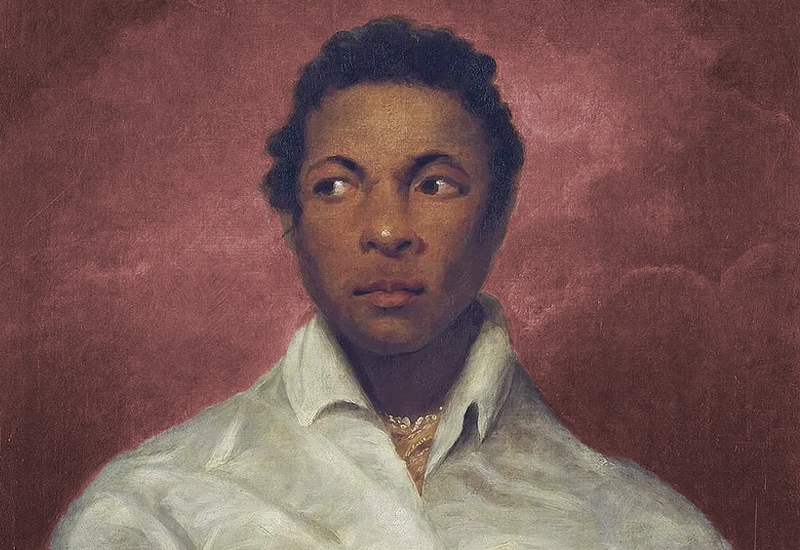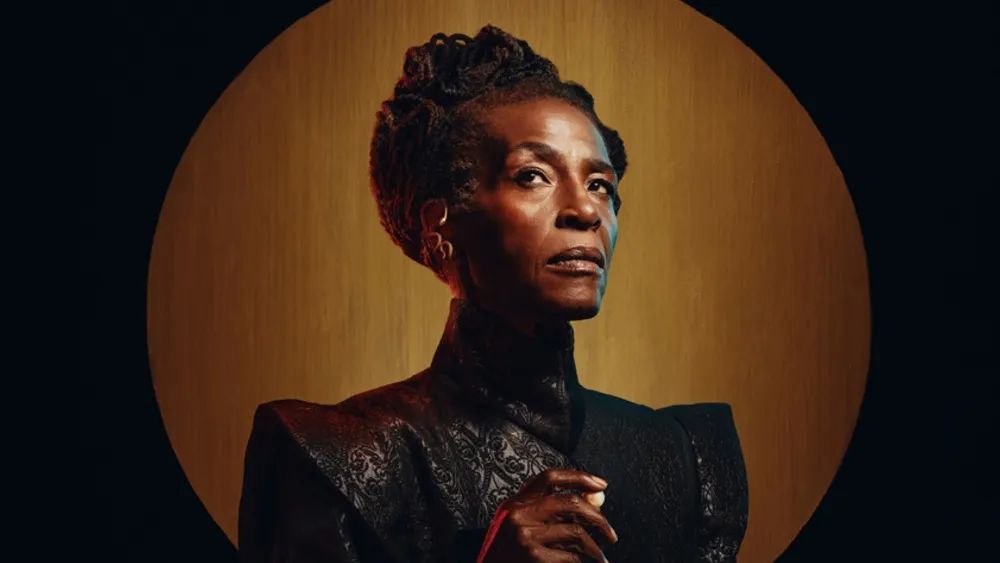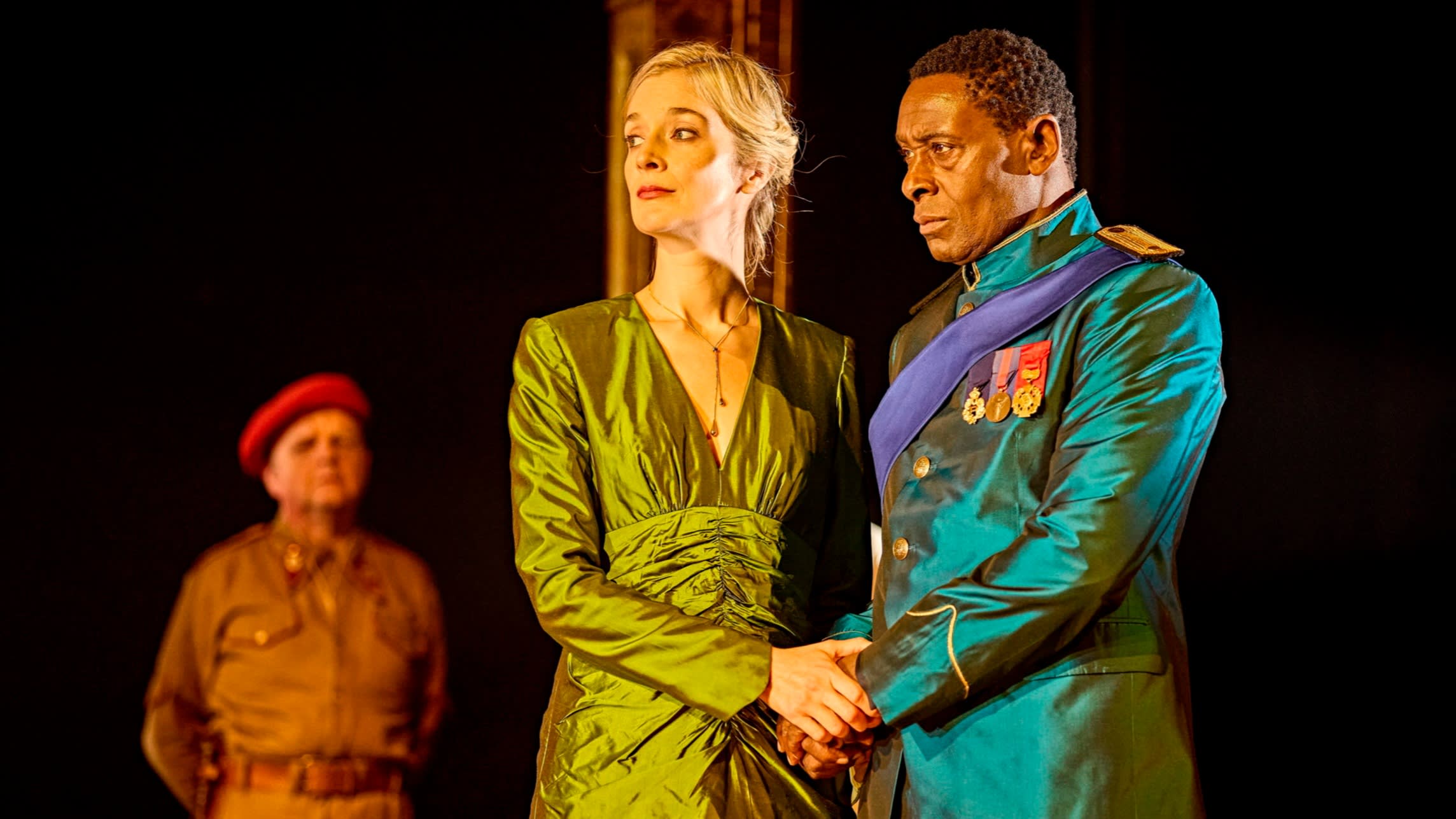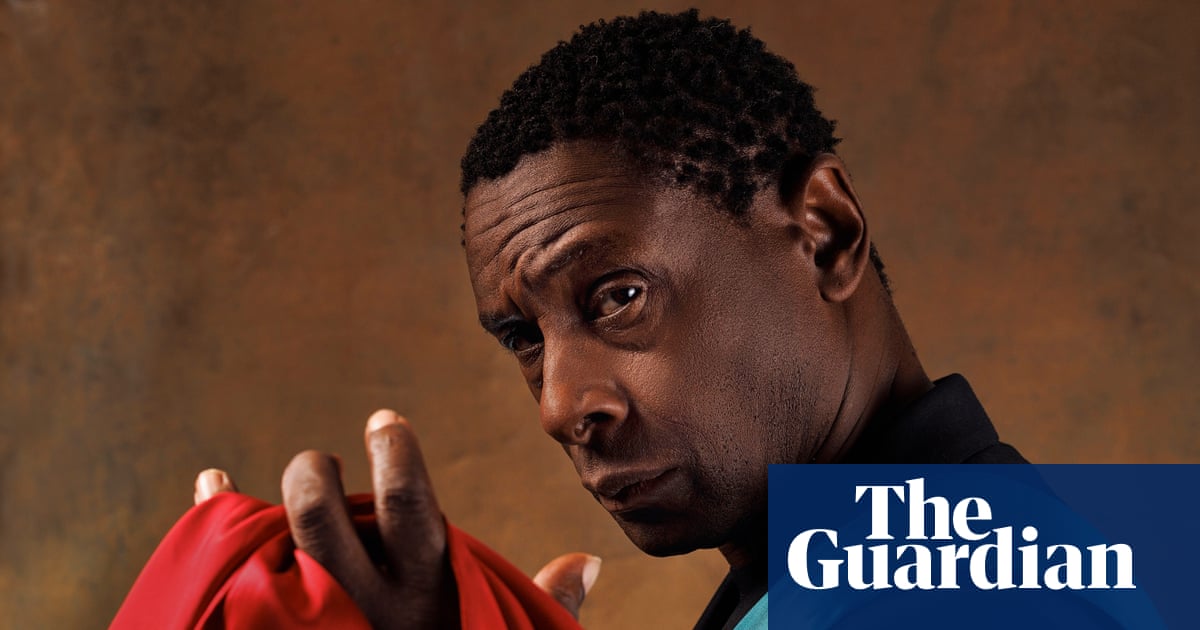
He first played Othello in 1997, when the role was still synonymous with white thespians ‘blacking up’. Now, nearly three decades on, he, Chiwetel Ejiofor and other Black actors discuss how best to tackle Shakespeare’s formidable tragedy
“I
had no intention of playing this character again. But as soon as the light went on, the house caught fire – and it’s been burning ever since.” David Harewood is talking about Othello, ahead of a new production from the Tony award-winning director Tom Morris that opens in London’s West End on 23 October. The production, which also features Toby Jones as Iago and Caitlin Fitzgerald as Desdemona, sees Harewood return to the role almost 30 years after his landmark performance at the National Theatre.
When he took on Othello in 1997, it was the second time he’d done so in his then-short career. The first was at the Swan theatre in Worcester six years earlier – an opportunity for him to familiarise himself with a text he’d certainly revisit in the future, his agent at the time told him. Now he was at the Cottesloe (renamed the Dorfman in 2014) as the first Black man to play Othello on a National Theatre stage.
The venue was significant not only because of his race – it was still rare for Black actors to be cast in the part, directors instead often choosing to put white actors in blackface – but also because it was the same space in which Laurence Olivier set the gold standard for the character decades earlier. Olivier’s 1964 performance, which later aired on the BBC, shows the actor thickly painted and shiny with blackface makeup, capped with a kinky dark wig. In interviews he described going down to the docks to study Black people so that he could perfect their movements and mannerisms. The performance became a blueprint: to this day, it is still heavily referenced as aspirational. Even Harewood, who made a BBC documentary in 2023 about the strange and racist practice of blackface, describes Olivier’s Othello as “flawless”.