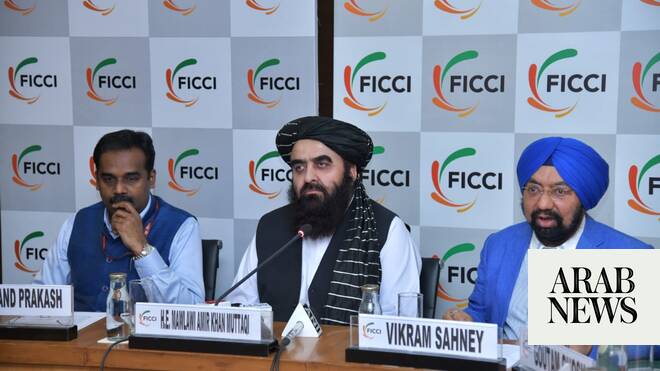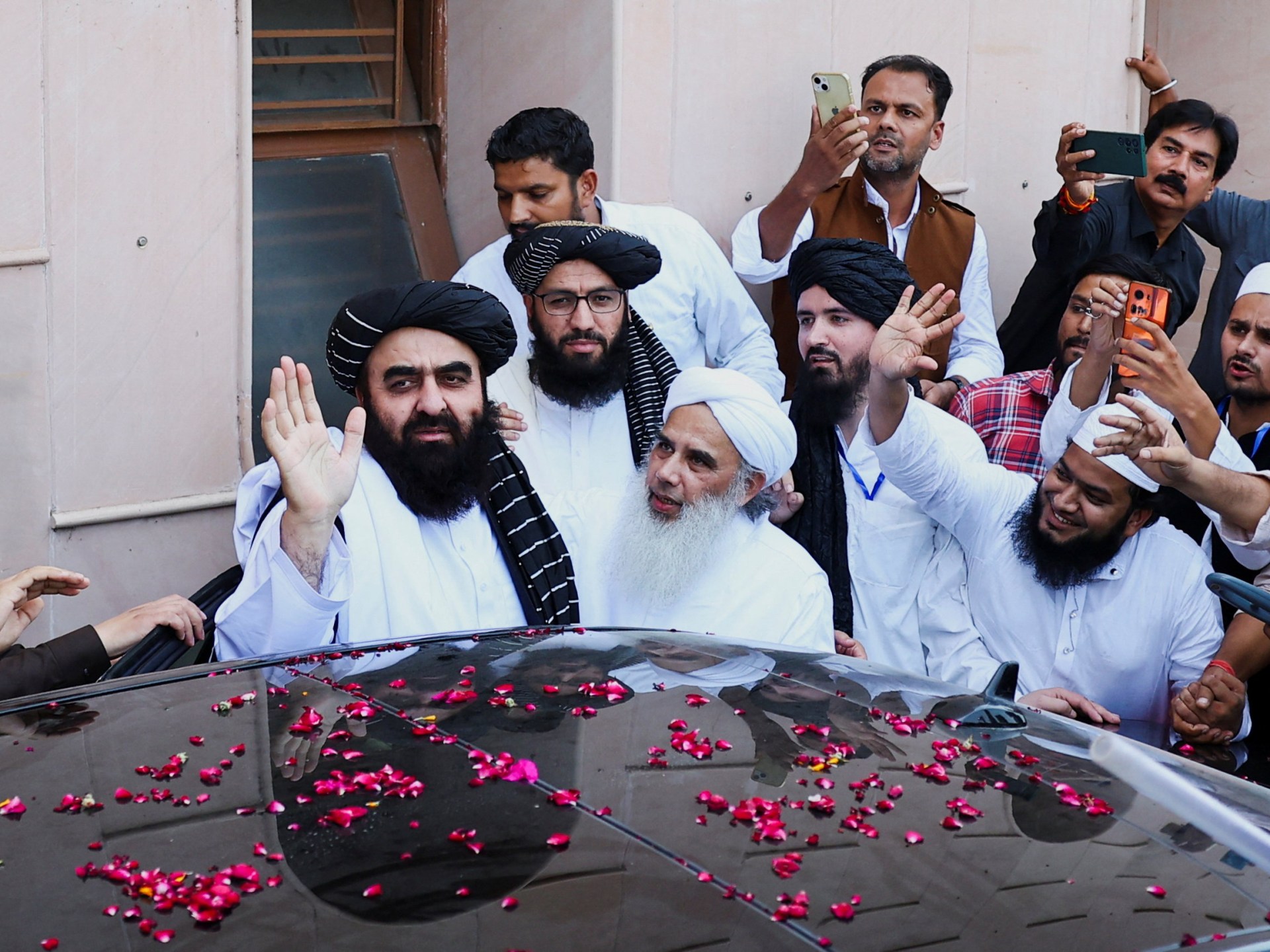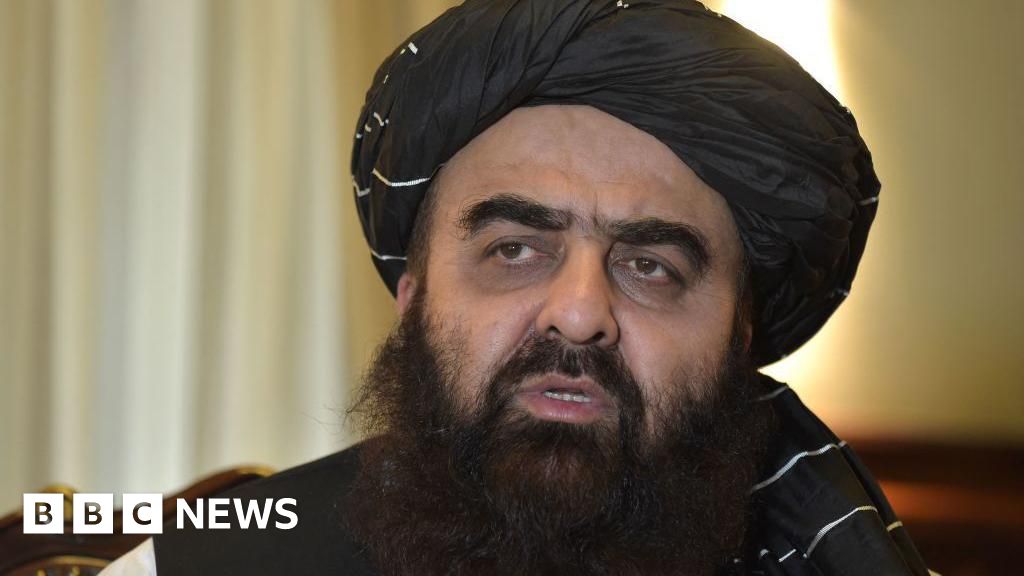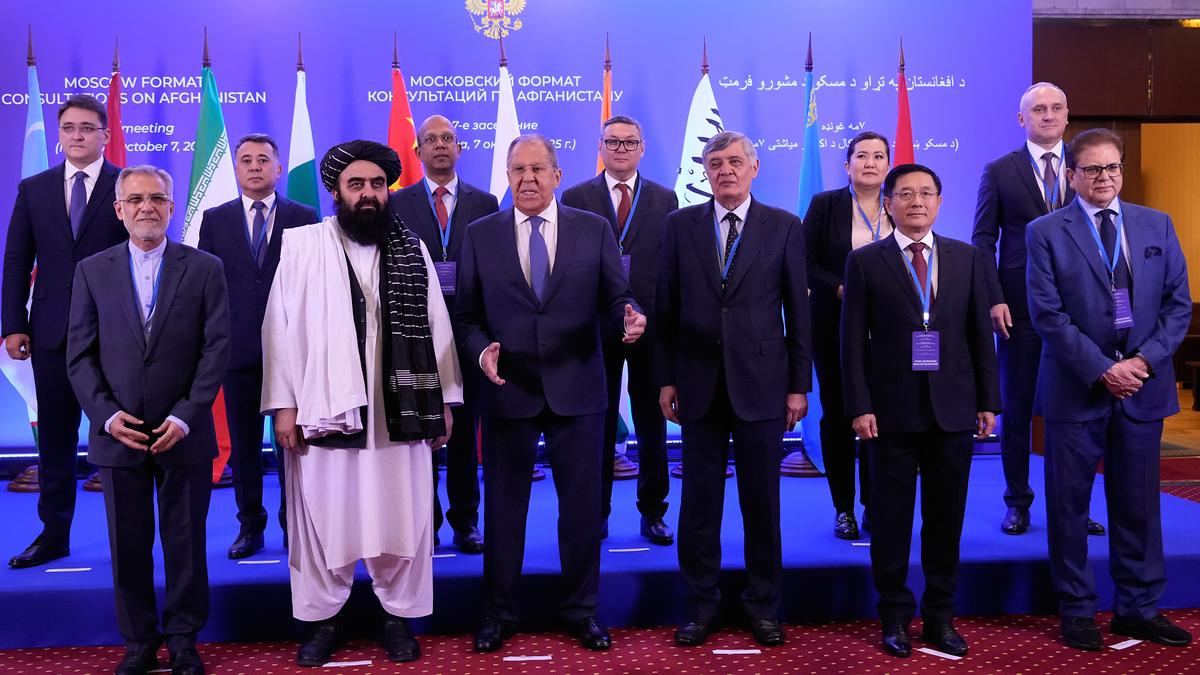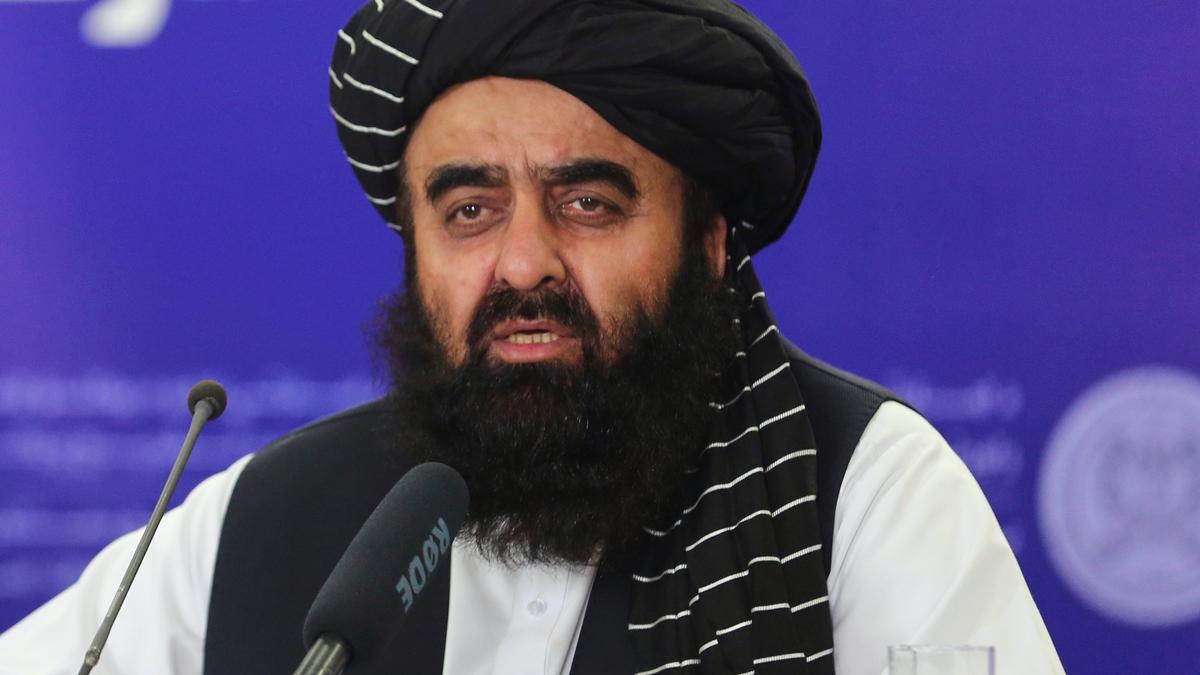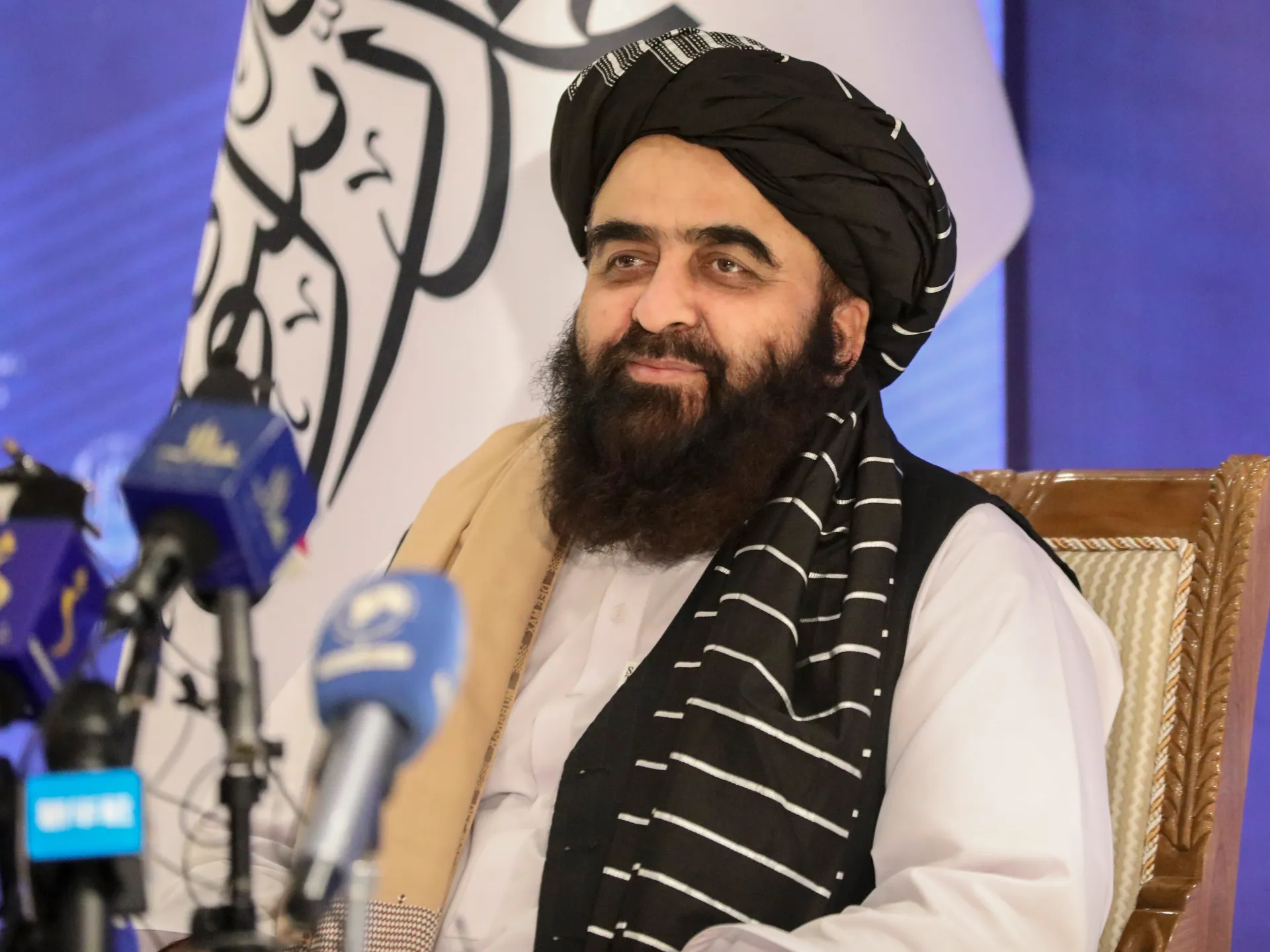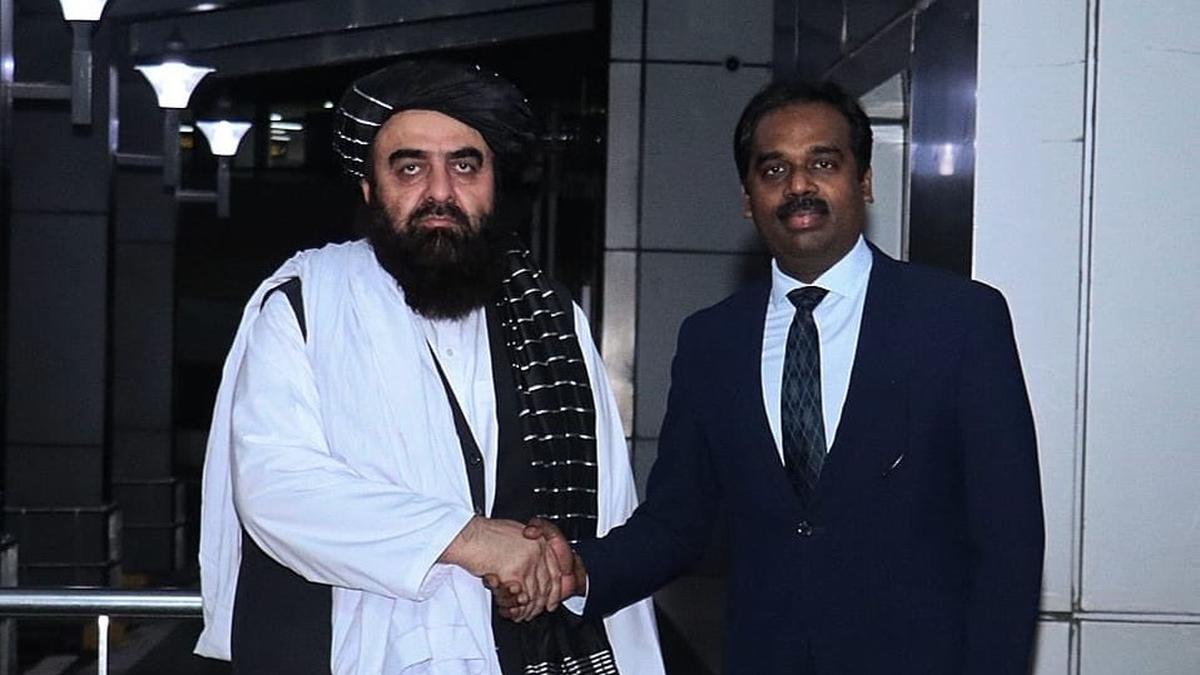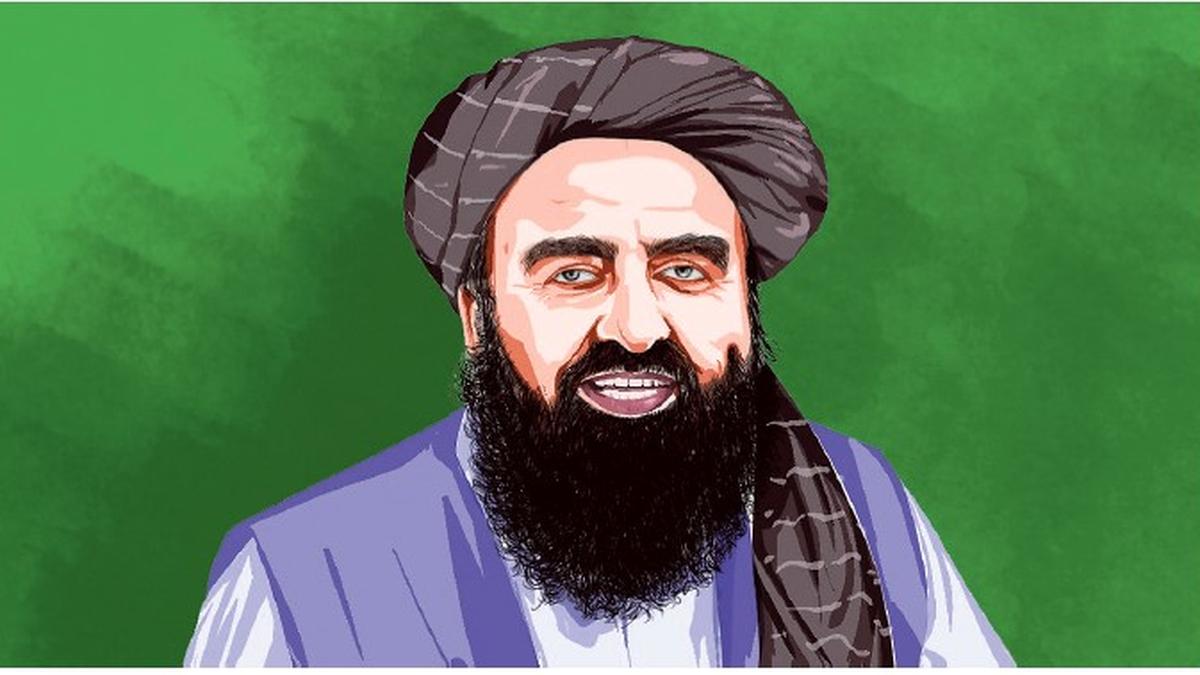
Visiting the Deoband Darul Uloom during his recent India tour, the Taliban’s Foreign Minister, Amir Khan Muttaqi, described the institution as “Madar e Ilmi”, or alma mater, which in a way provided a glimpse of Mr. Muttaqi’s evolution as a fighter and a diplomat.
Born in 1970 in a Pashtun family in Zarghun village of Helmand province, Amir Khan Muttaqi’s life has been intertwined with the history of his conflict-torn country. His family had migrated to Helmand from Paktia. The Afghanistan that he was born into was to change radically even as he started his early education in his village.
Among the waves of Afghans who left their homes after Soviet intervention began in December 1979 were Mr. Muttaqi and his family from Helmand. He shifted to the Afghan refugee camps that had come up near Peshawar, Pakistan. The refugees also provided young fighters for resisting the Soviet invasion and Mr. Muttaqi was one of the teenagers who joined the anti-Soviet jihad of the 1980s, funded by the CIA and guided by Pakistan’s ISI. It was during his years as a refugee in Pakistan that the young Pashtun fighter picked up Urdu which he uses today with his Pakistani and Indian interlocutors.
In Peshawar, seven political parties came up in the refugee camps (the Peshawar Seven). Prominent leaders from these groups were Gulbuddin Hekmatyar, Burhanuddin Rabbani, Abdul Rasul Sayyaf, Hazrat Sibghatullah Mojaddedi, Pir Sayed Ahmad Gailani, Maulana Mohammad Nabi Mohammadi, and Mohammed Yunus Khalis. Of them, Maulana Mohammadi and Khalis extended full support to the Taliban when the outfit was launched in the 1990s.