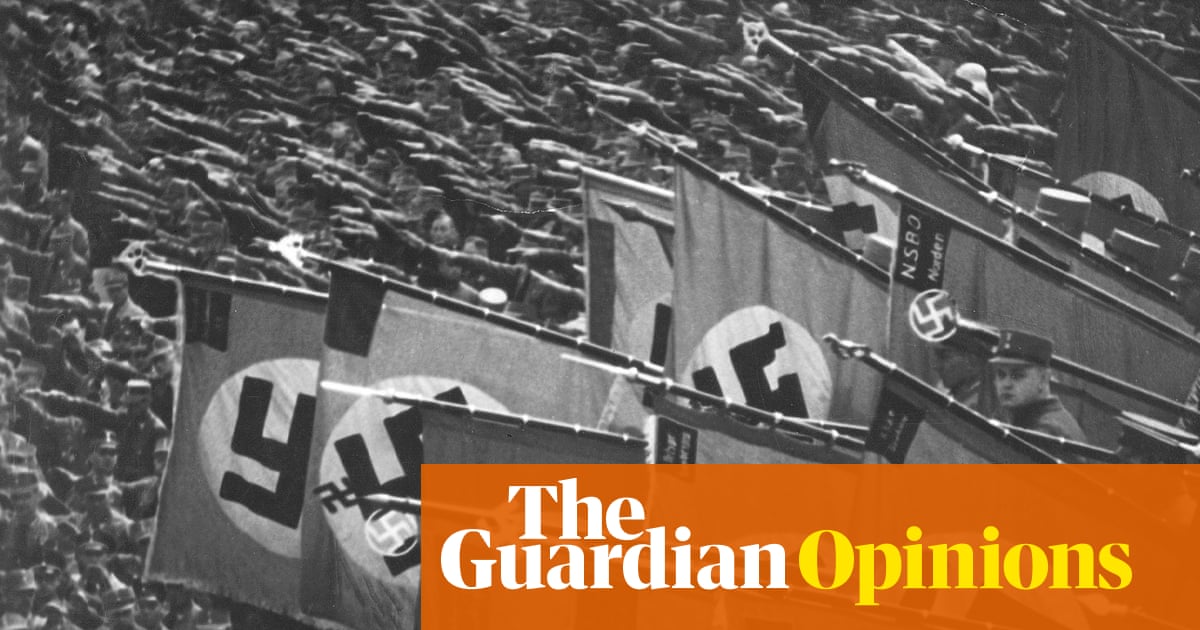
Sally Carson’s Crooked Cross was written and set during the rise of nazism. It shows both how extremism takes hold, and the moral certainty needed to resist it
A
few days ago I asked an American acquaintance – as one does these days – where he sees “it”, by which I meant the political situation, heading. He took a breath. “In my opinion, the US is in a very similar position to Germany in 1933-4,” he said. “And we have to ask, could 1936, 1937, 1938 have been avoided? That’s the point we are at. You can try to say fascism couldn’t happen in the US. But I think the jury’s out.”
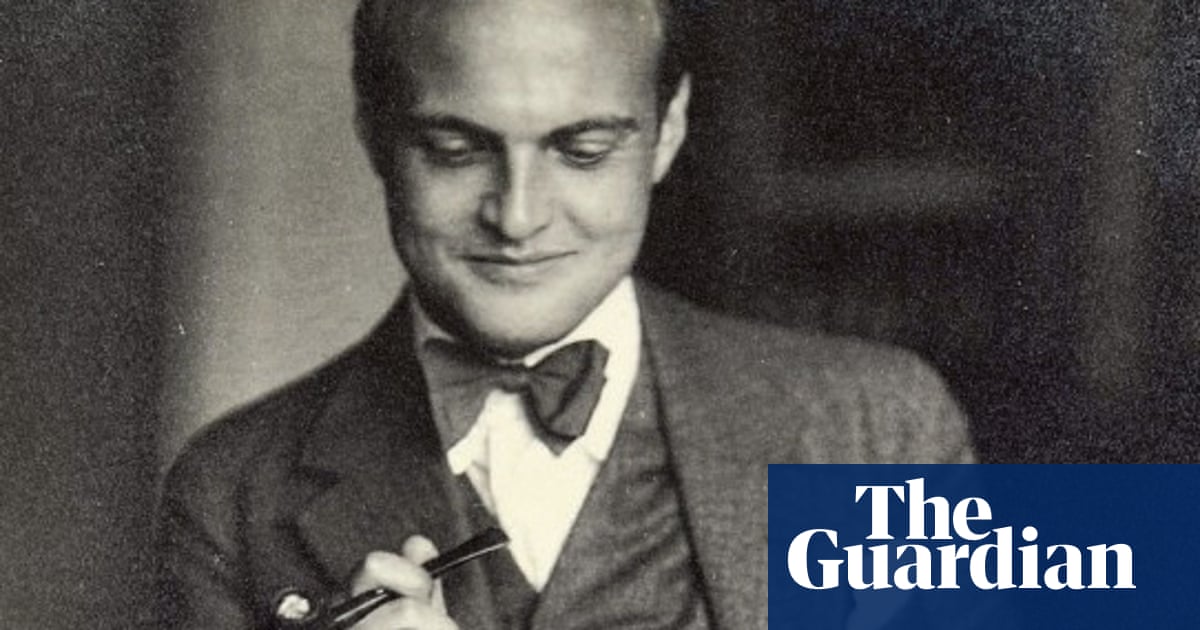
His words seemed especially resonant to me because I had just finished reading a remarkable novel precisely to do with Germany in 1933-4, a book written in the former year and published in the latter. Forgotten for decades, Sally Carson’s Bavaria-set Crooked Cross was republished in April by Persephone Books, which specialises in reviving neglected works. Since then, it has been a surprise hit, a word-of-mouth jaw-dropper, passed from hand to hand.
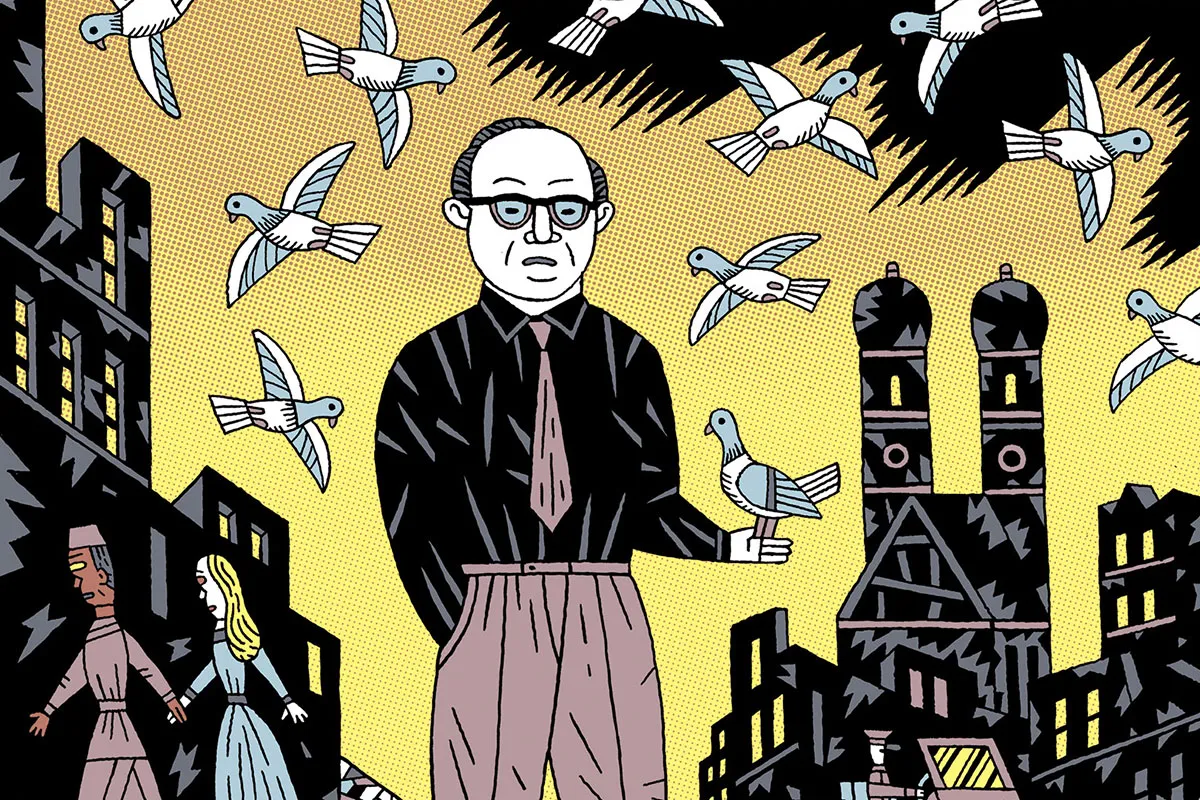
Crooked Cross begins in December 1932, and ends at midsummer the following year. The setting is the little, fictional Bavarian town of Kranach, a picture-postcard place in the foothills of the Alps. Its focus is the Kluger family – a modest, middle-class clan of kindly, loving parents and three grown-up children, Helmy, Lexa and Erich – who are gathering to celebrate Christmas with their cousins and Lexa’s fiance, Moritz. Everything is warm and delightful and full of promise: the tree with its glass baubles and candles, the tissue-wrapped presents, the carols, the roasted goose. Everything is gorgeously decorated, “even” – one reads with a shudder that is deepened by a 21st-century knowledge of where “it” was all headed – “Helmy’s picture of Hitler which stood on the piano”.