As politicians increasingly struggle to connect with their electorate, sport continues to expand its reach, raising questions for those in charge
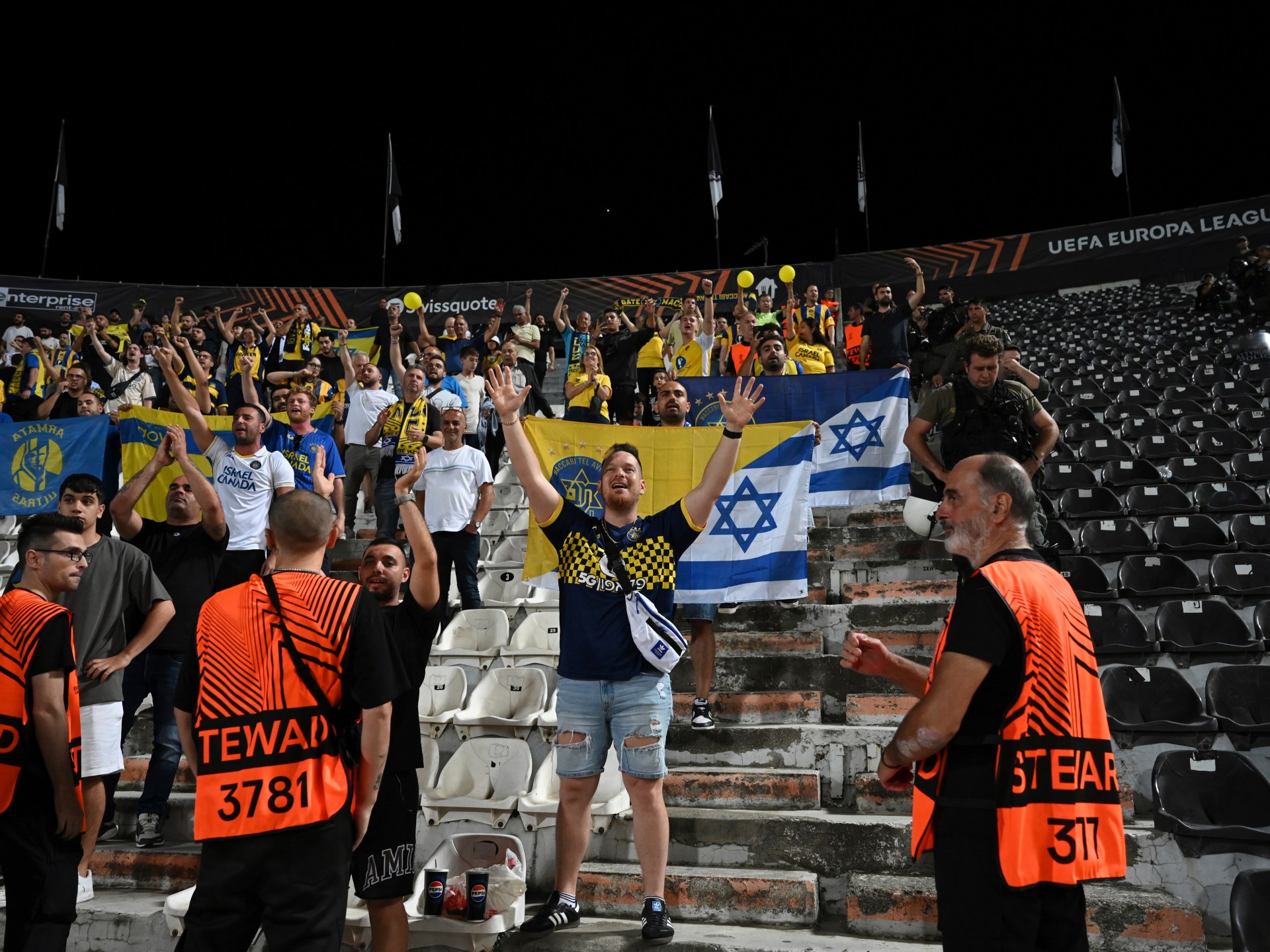
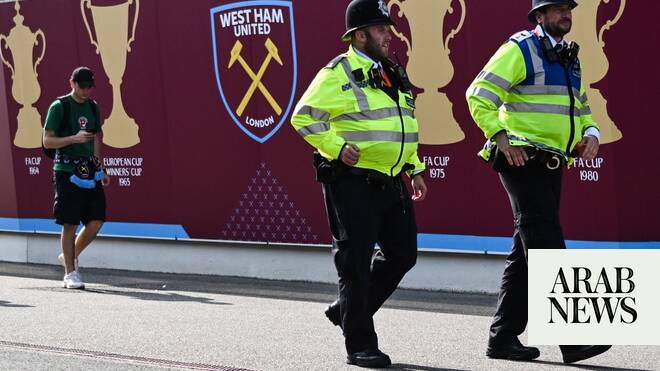
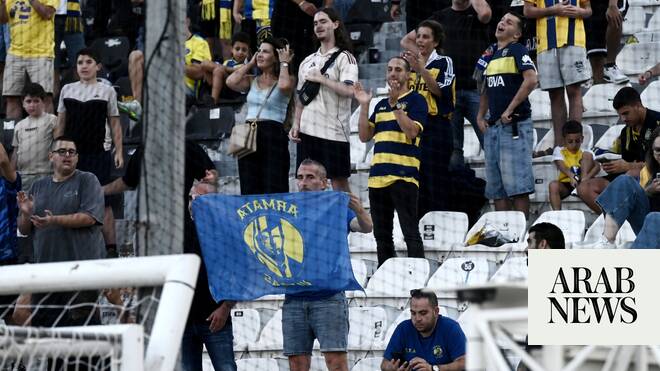
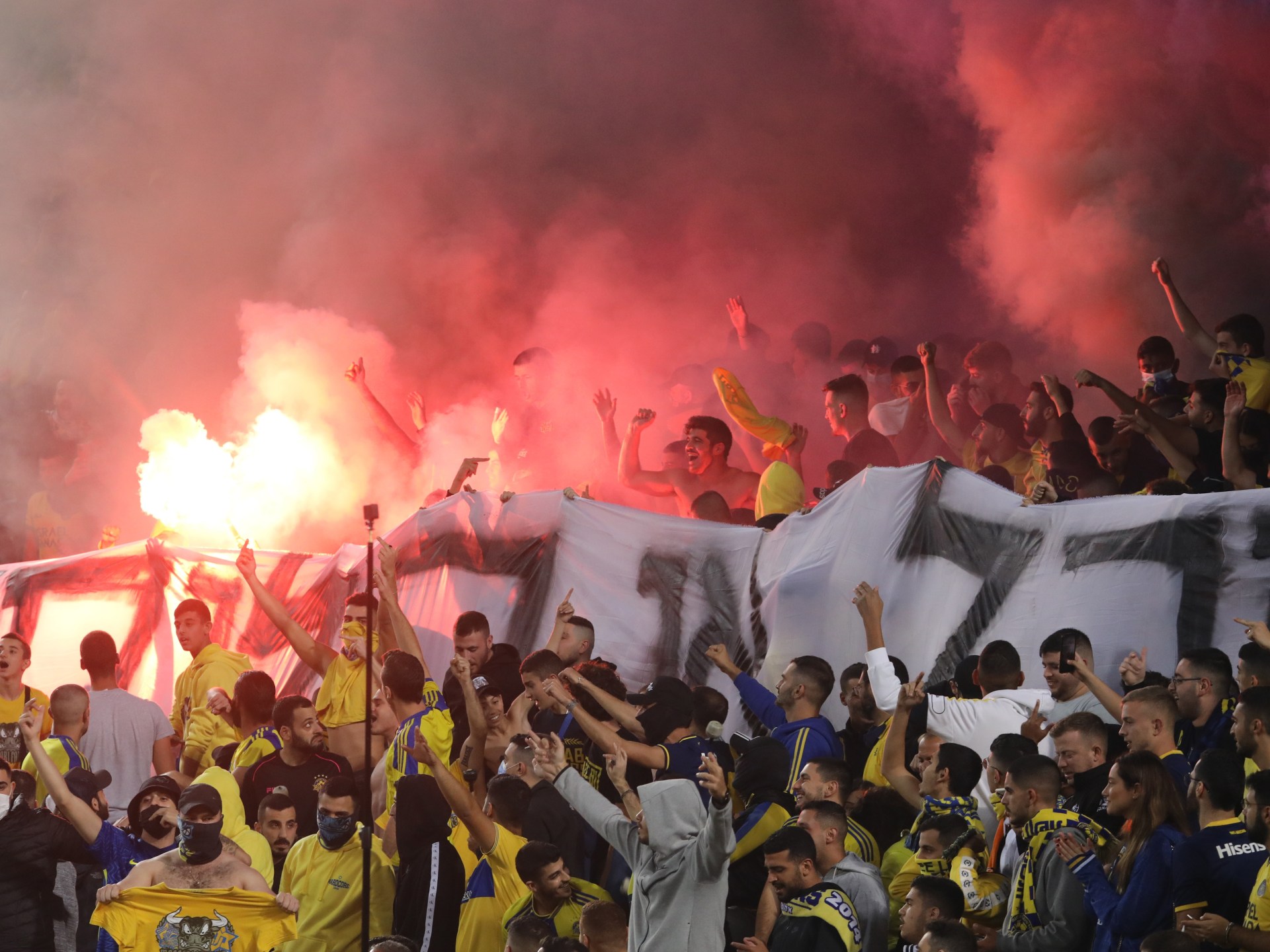
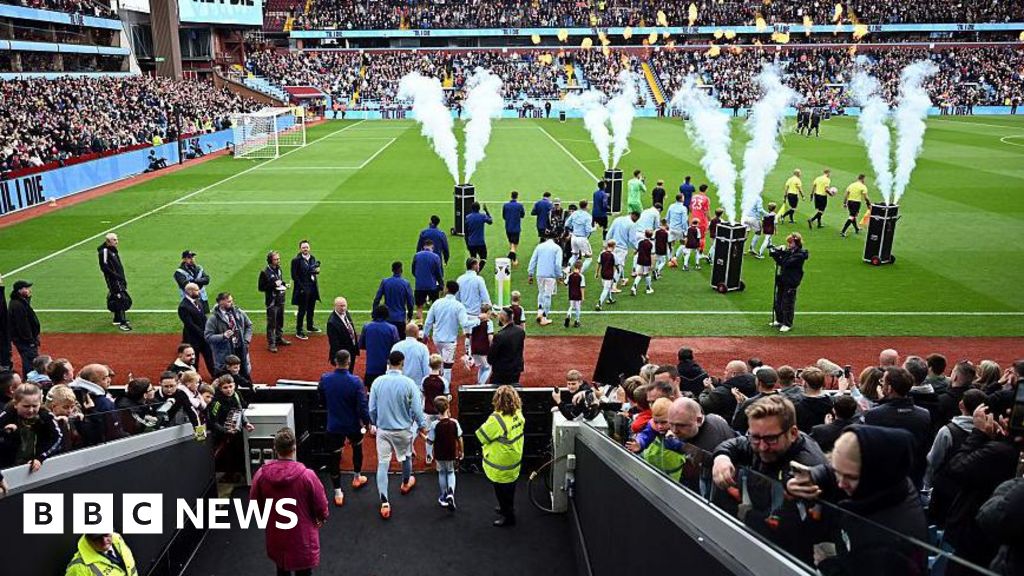
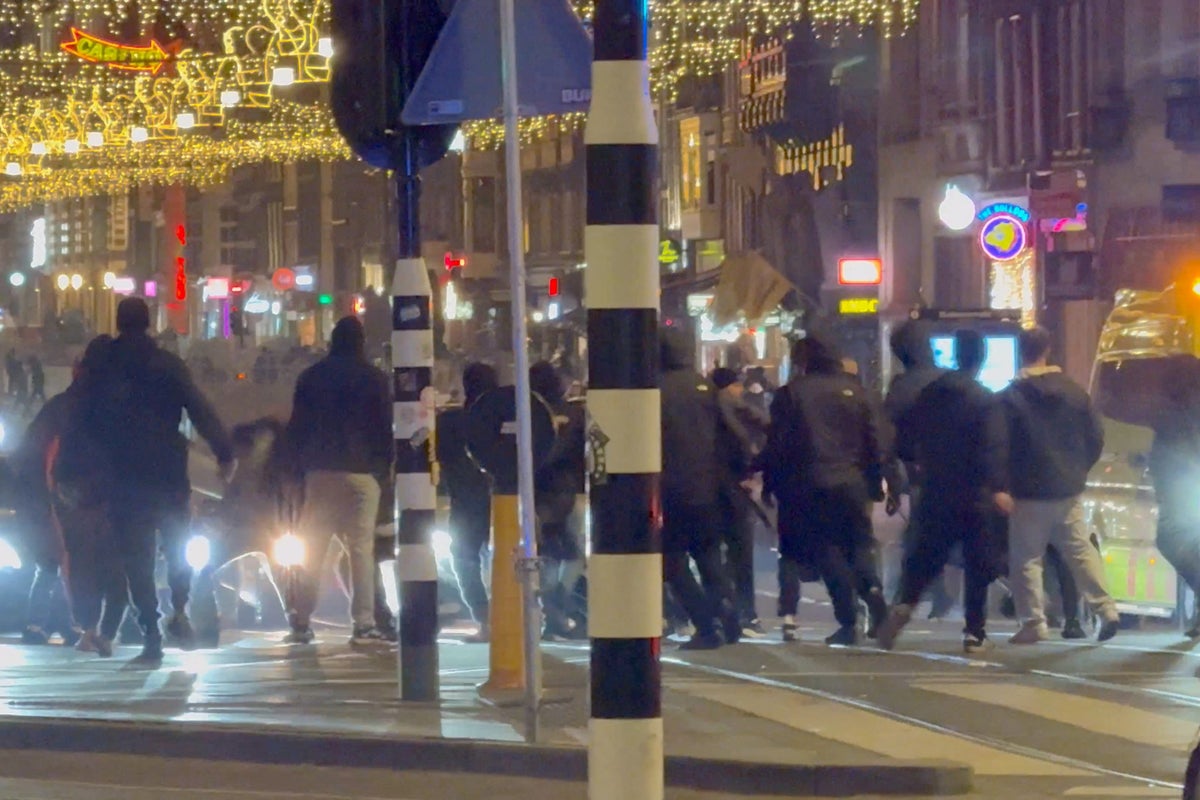
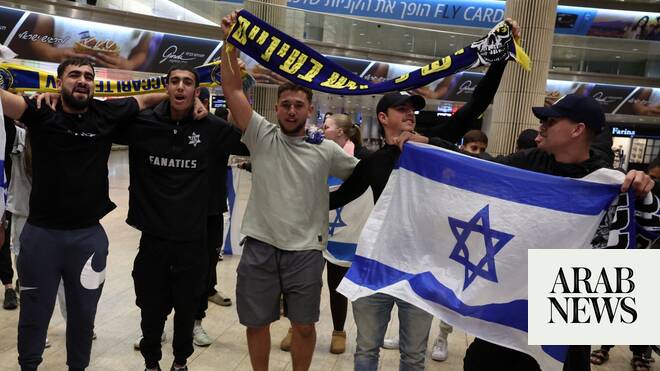
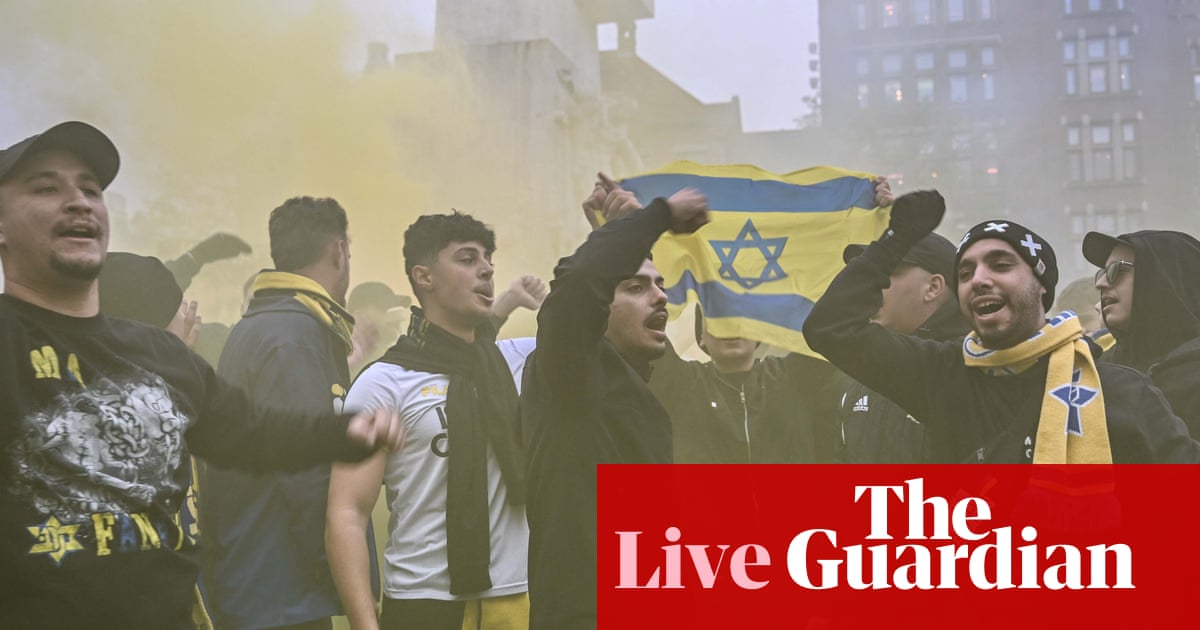
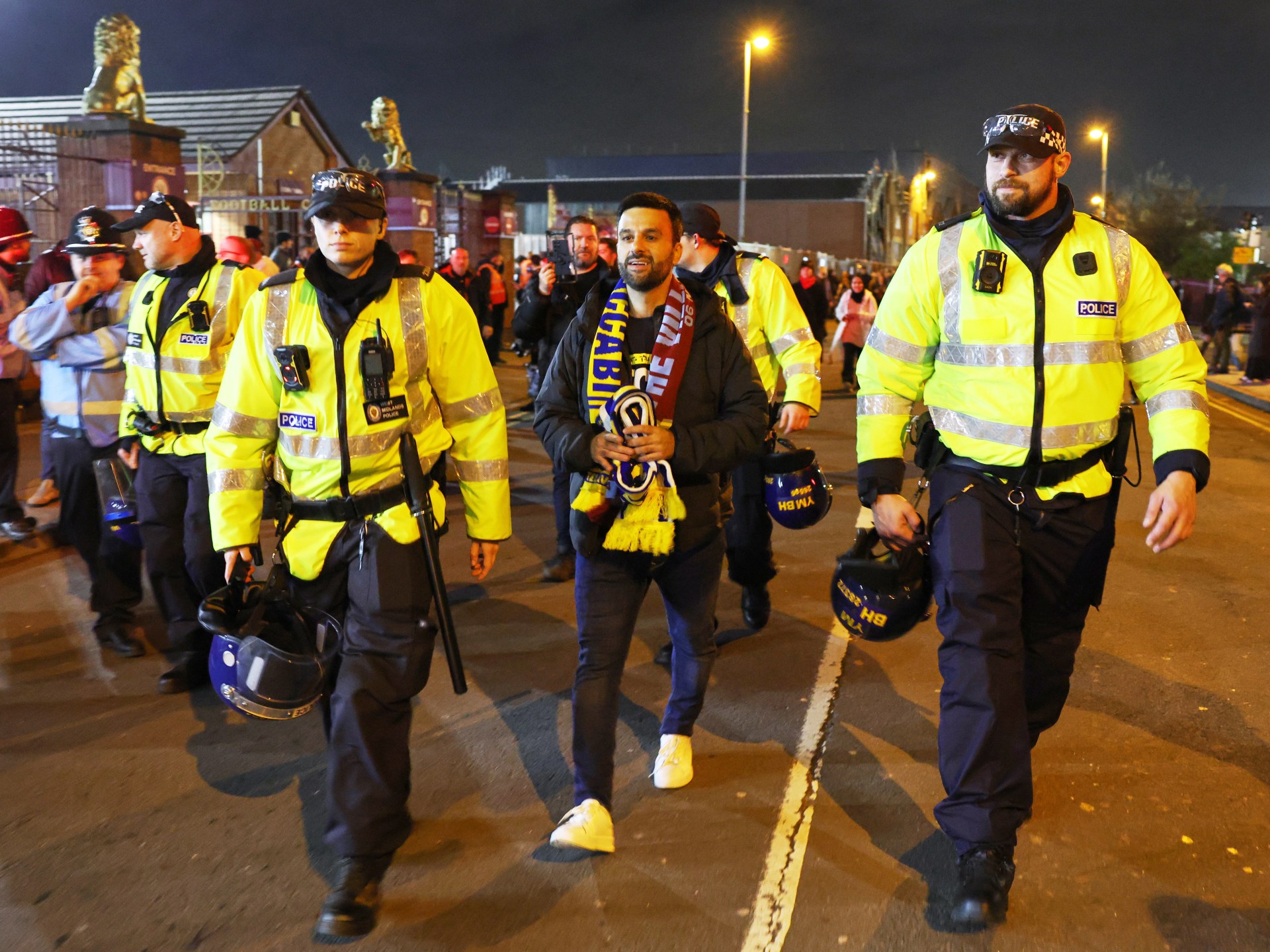
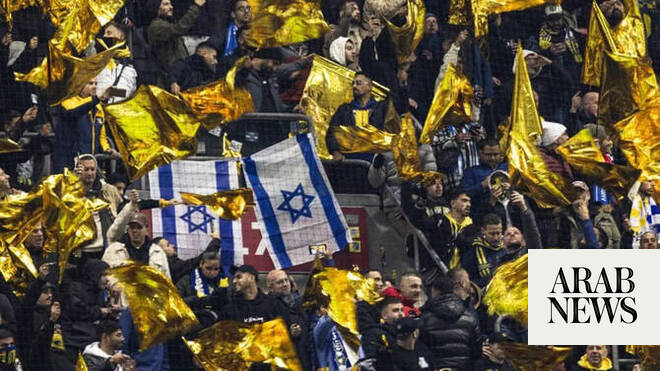
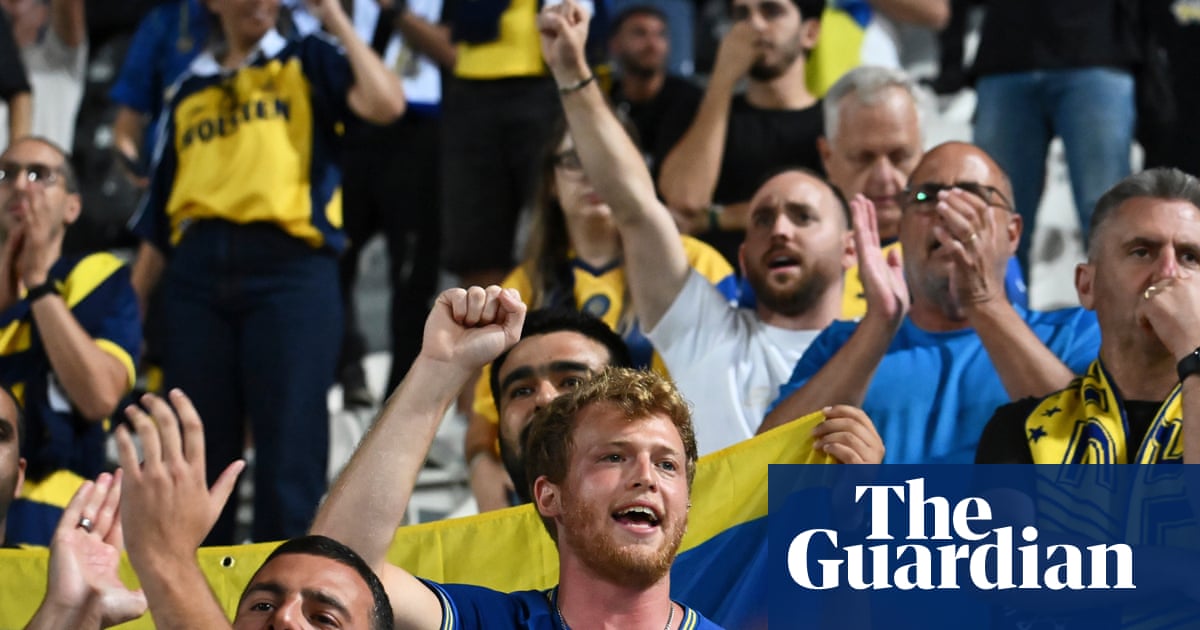
The statement released by West Midlands police, explaining their decision to prevent Maccabi Tel Aviv supporters from travelling to their club’s Europa League fixture against Aston Villa next month, is framed in the language of security. It was, police say, an action undertaken to “help mitigate the risks to public safety”, based on “current intelligence and previous incidents”, including the violence that surrounded Maccabi’s match against Ajax in Amsterdam last year.
That the police should assess a match through the lens of public safety is what most people would hope and expect. It is an approach that has underpinned the successful policing of football in the UK for two decades. But the political consequences of such a decision appear to have caught those involved by surprise. As the prime minister intervened to call for the decision to be overturned, there was a reminder that the worlds of sport and, especially, football are being judged by new criteria. What was once a sector that would insist on its separation from politics is increasingly being dragged into it, with the issue of Gaza the most prominent and divisive current example.