https://arab.news/y7dbp
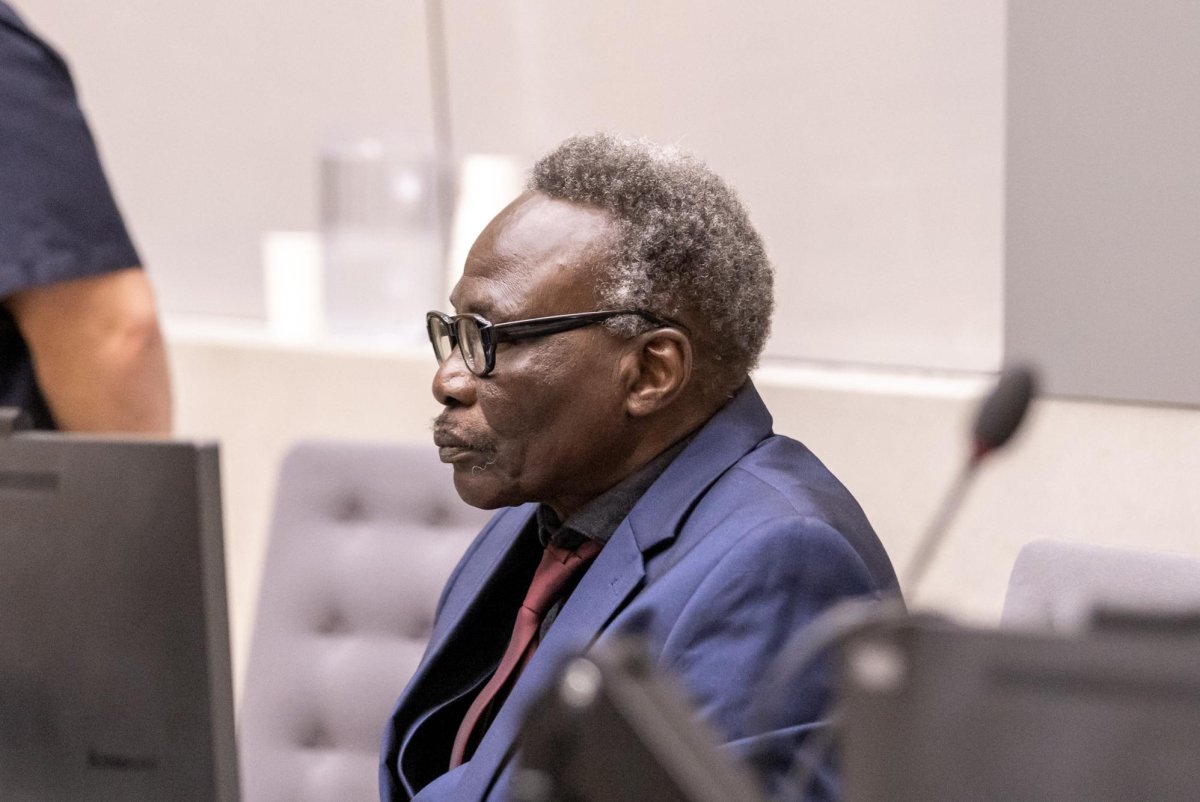
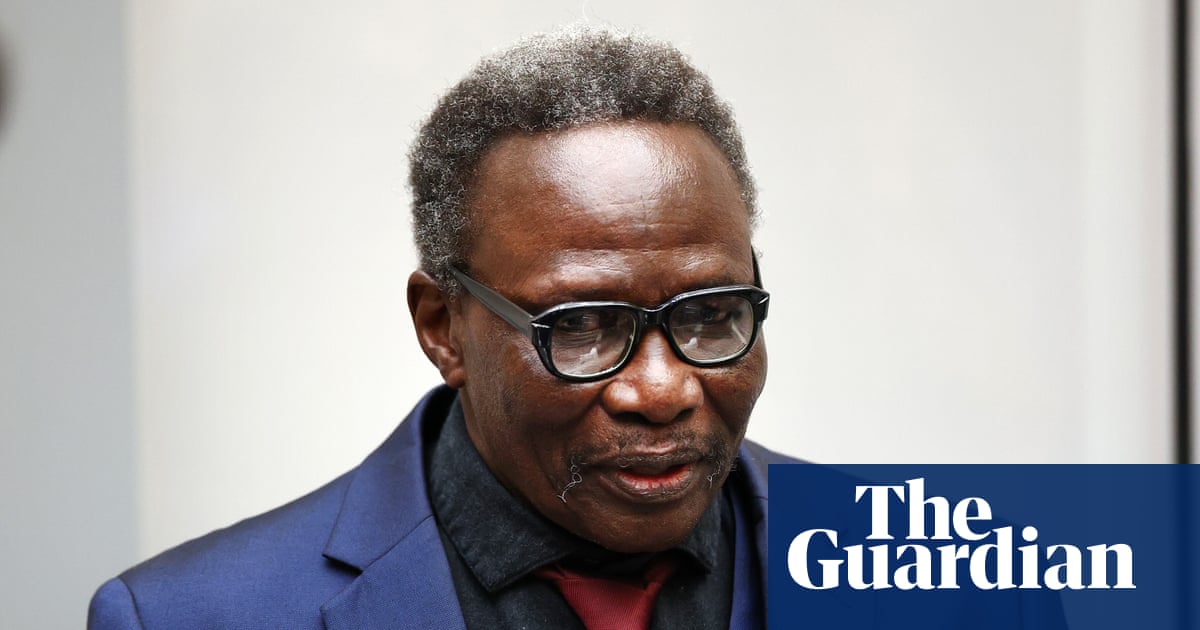
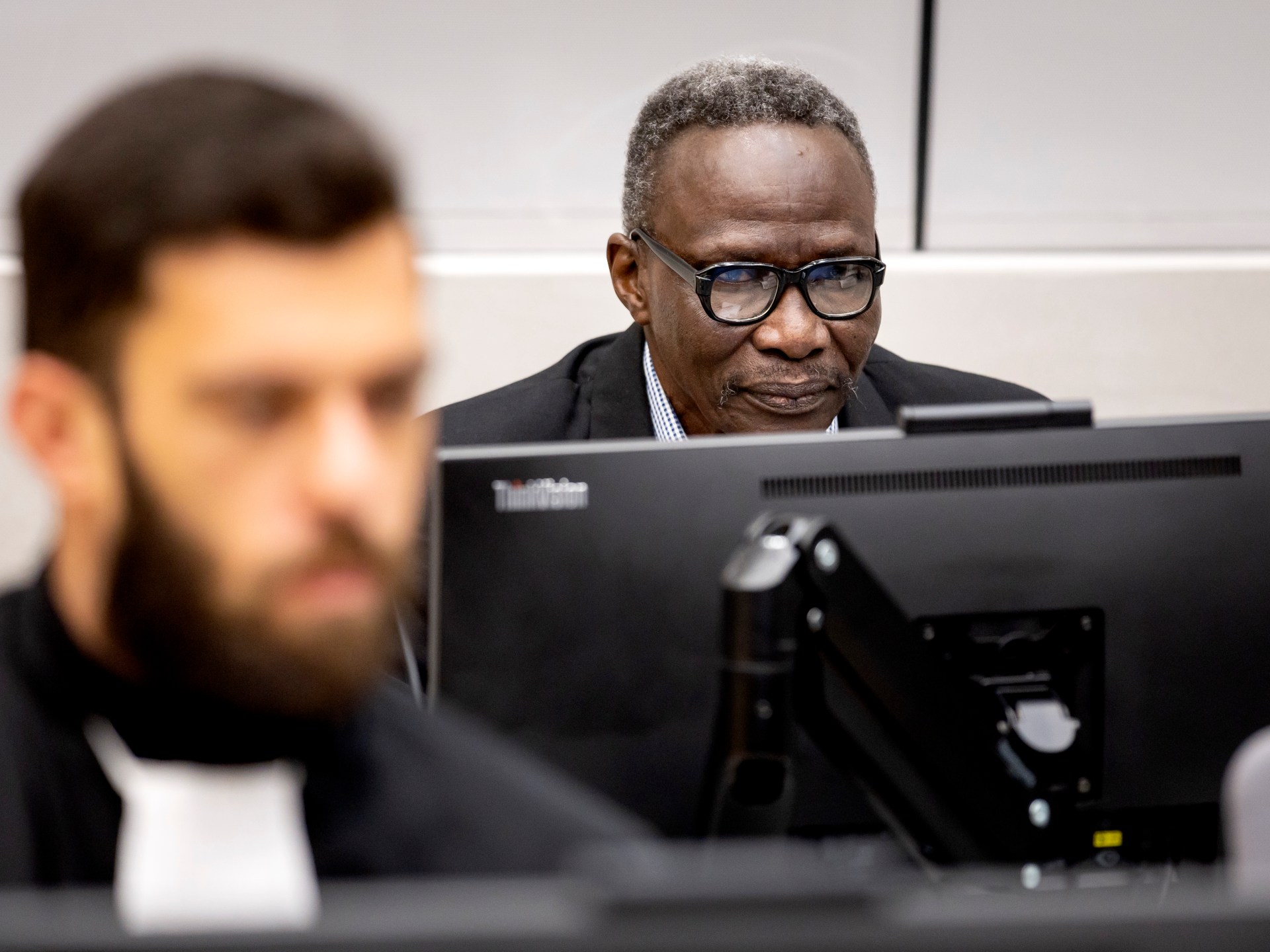
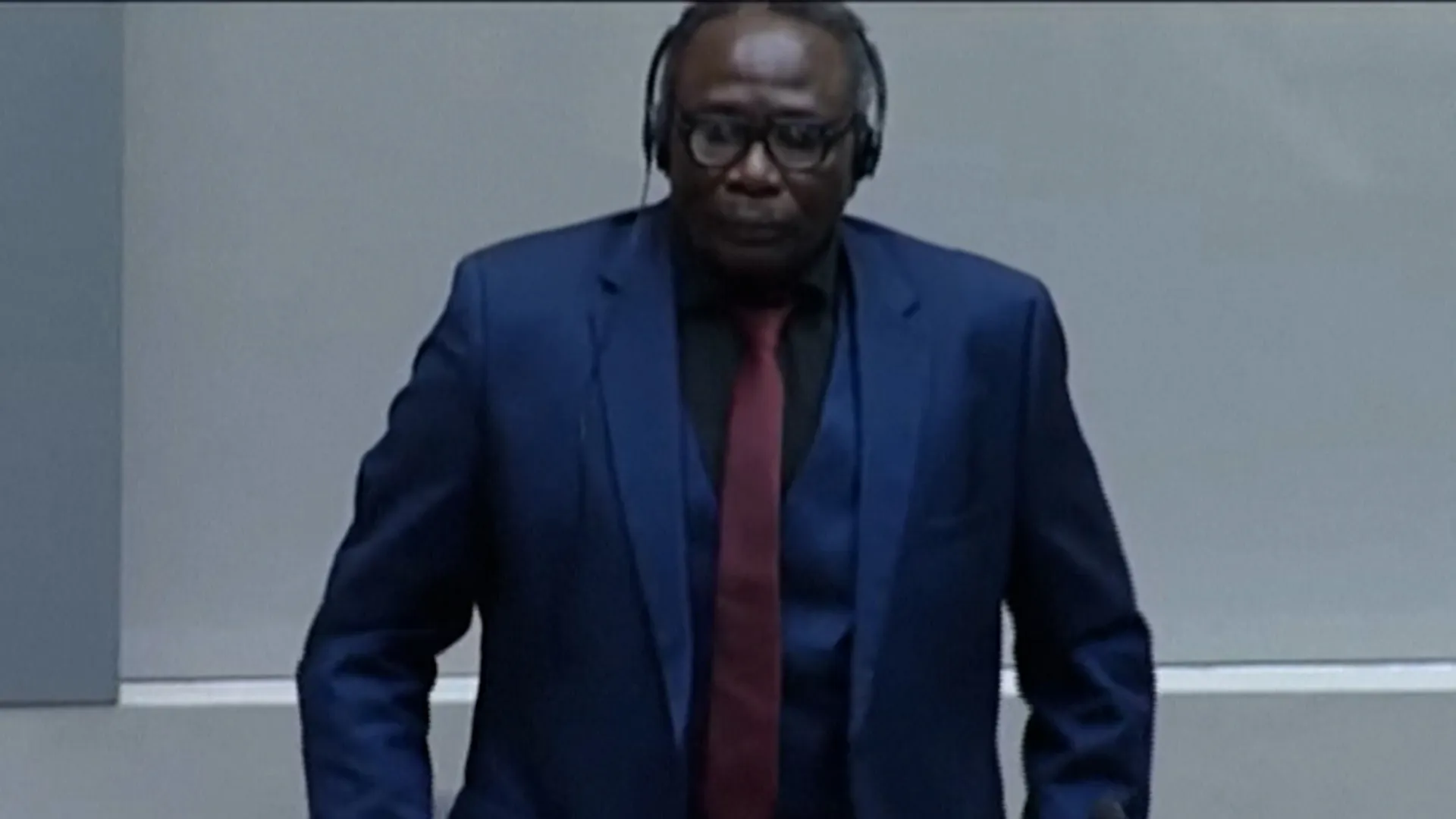
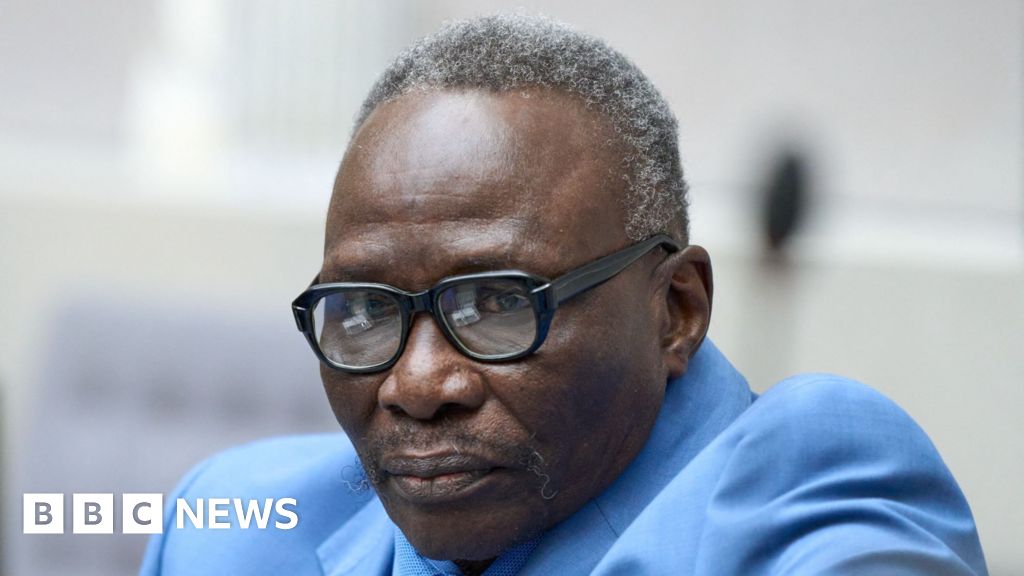
The International Criminal Court this month issued a historic ruling convicting Ali Kushayb of war crimes and crimes against humanity committed in Darfur two decades ago. But this conviction is not just delayed accountability for a militia leader — it points to a deep wound: How did militias that were unsanctioned in 2003 transform into a legitimized military force, then into a political entity declaring a parallel government with ministers and a UN representative? The story begins with a burned Darfur and ends with a civil war tearing Sudan apart, with the thread connecting them being impunity.
Ali Mohammed Ali Abdel Rahman, known as “Ali Kushayb,” belongs to the Ta’aisha tribe of the Baggara in Darfur. In the early 2000s, Kushayb was not just a tribal leader — he was the main commander of the Janjaweed militia in the Wadi Salih area of West Darfur, while simultaneously holding leadership positions in the Popular Defense Forces and the Central Reserve Police. He led a militia of more than 10,000 fighters and participated in large-scale operations targeting the Fur, Masalit and other non-Arab communities.
Kushayb operated within a broader system, receiving orders from Ahmed Haroun, the government official who oversaw military operations in Darfur. But on the ground, relationships between Janjaweed leaders were more complex. Musa Hilal, the leader of the Mahamid clan of the Rizeigat, was the most prominent face of the Janjaweed. He was released from Port Sudan prison in April 2003 by order of Vice President Ali Osman Taha, despite being convicted of killing 17 people and robbing the Central Bank of Nyala. Human Rights Watch described him as “the backbone of the government's strategy to recruit militias.”