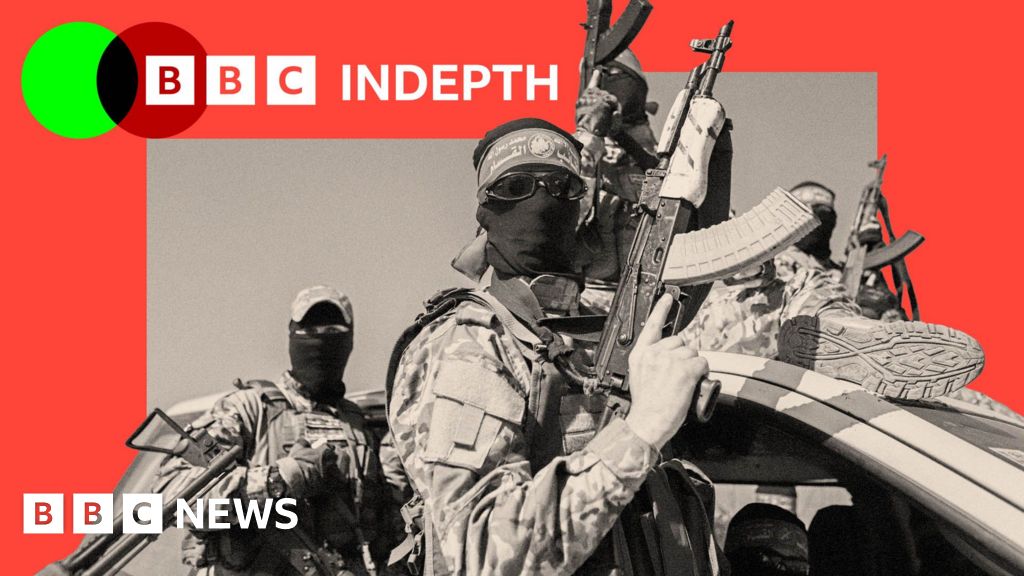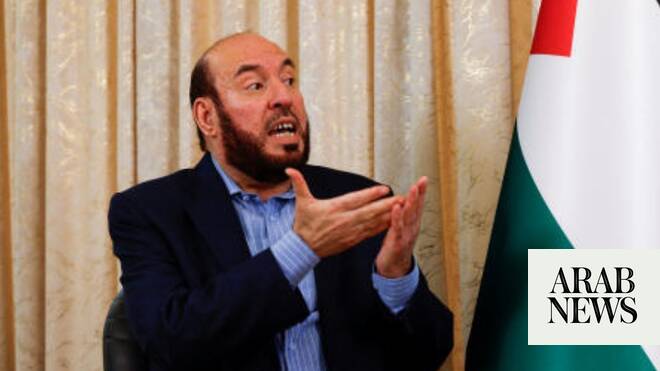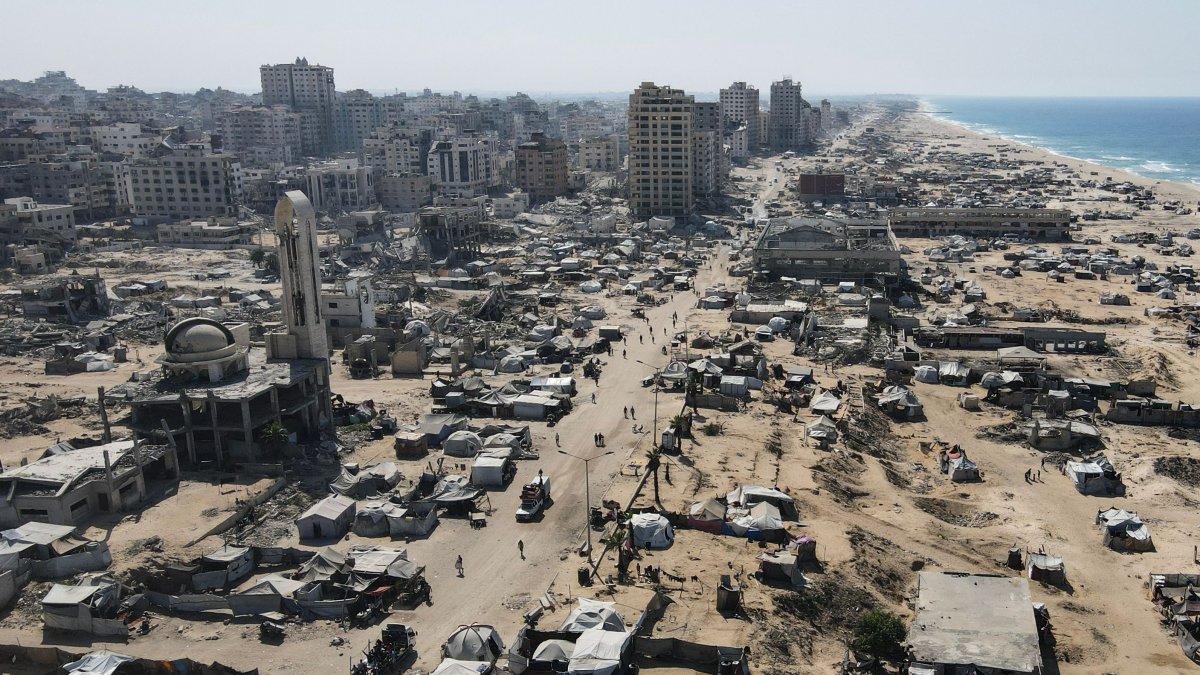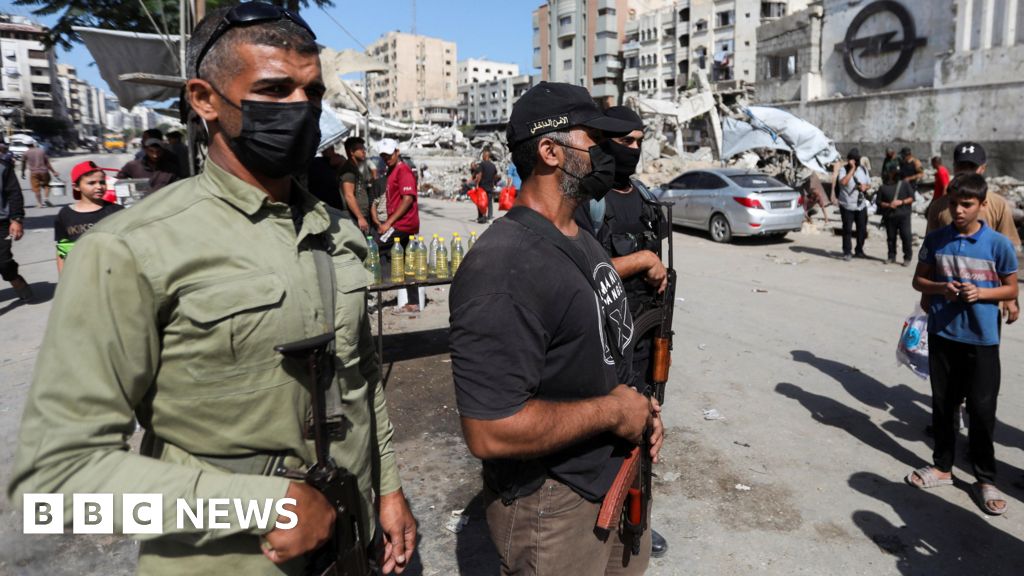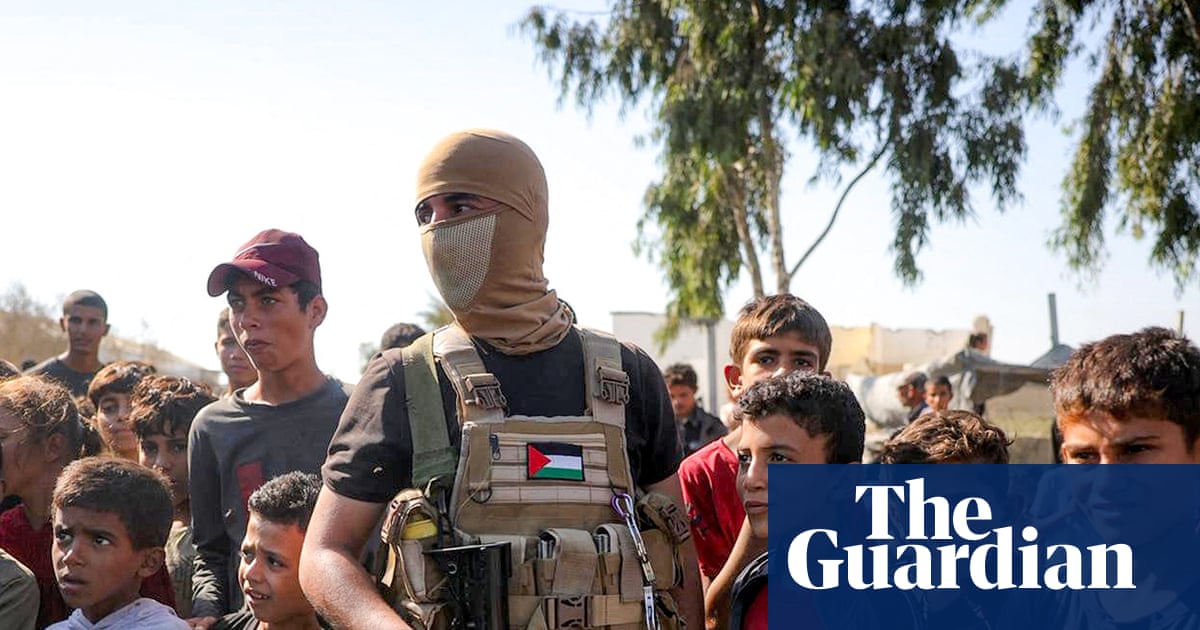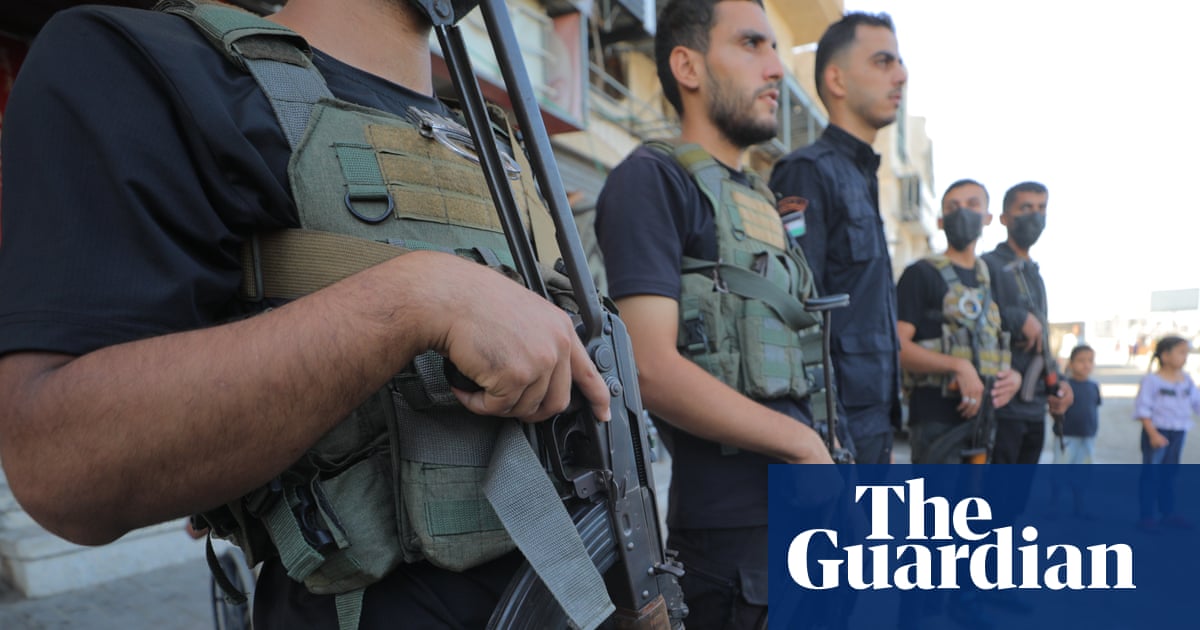
With no law, order or any alternative administration under the ceasefire, the group is using violence to deter rivals
Throughout Israel’s two-year war in Gaza, aid officials working in the territory avoided naming Hamas in conversations they suspected might be intercepted, instead referring to the militant Islamist group as the “de facto authority”.
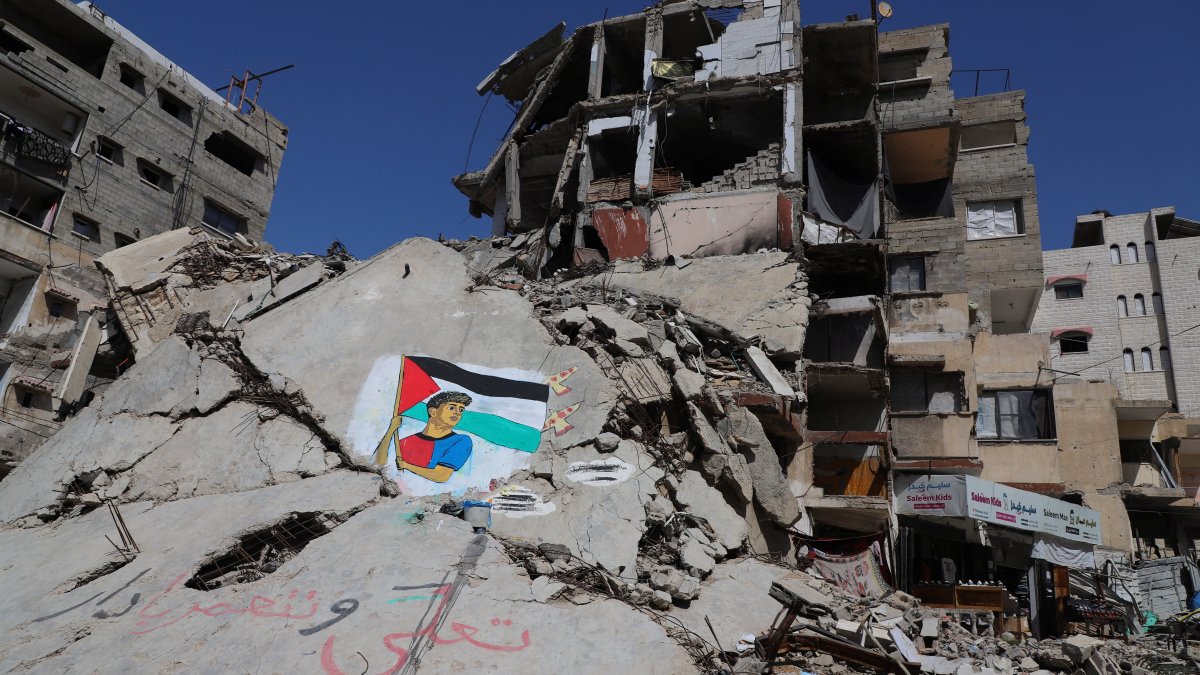
This careful euphemism for Hamas, which violently seized power in 2007, captured an important truth. Though the group was a less obvious presence in the last months of the conflict, in the absence of any alternative, it remained the closest the increasingly devastated territory had to a ruler.
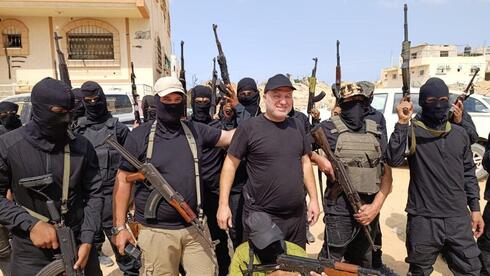
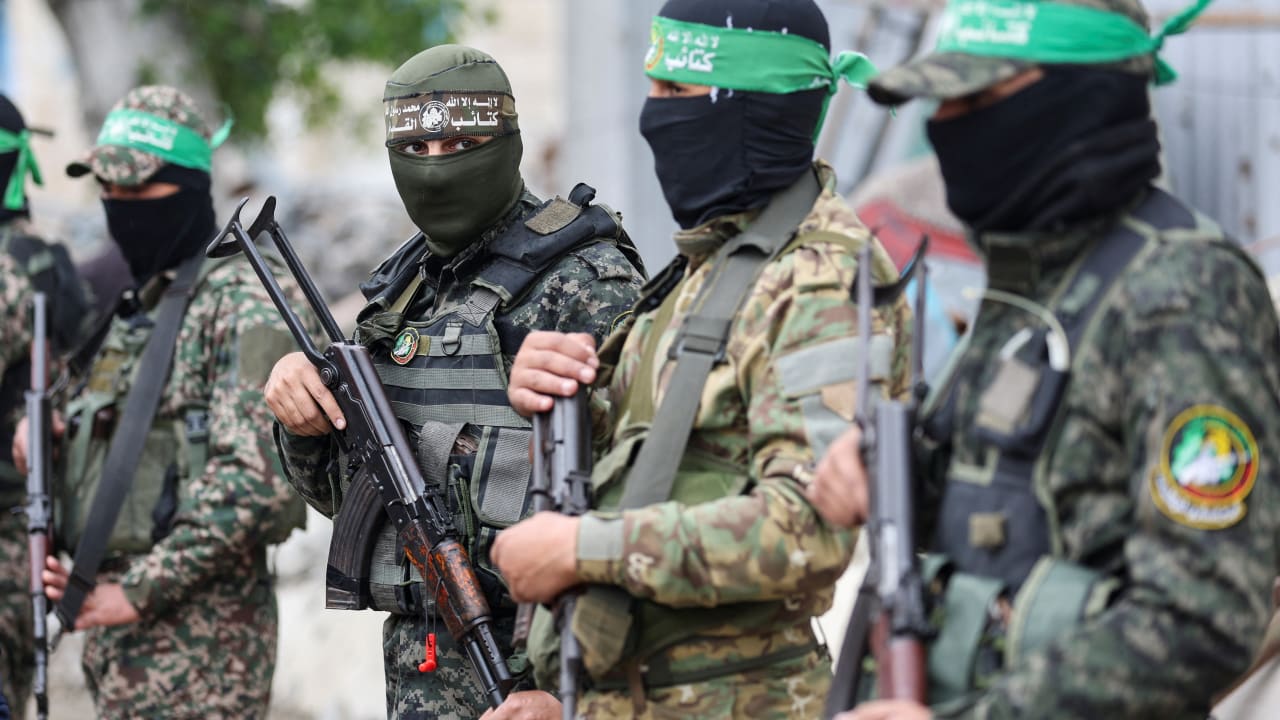
Its administrative officials continued to be key interlocutors for humanitarian organisations. Its armed police units hunted looters, armed gangs, clans who challenged its authority, the more outspoken critics among ordinary Palestinians and militia groups backed by Israel.
This campaign now appears to have become a priority for Hamas – and it requires weapons, which Hamas is supposed to relinquish if the current ceasefire deal reached last week is to harden into anything resembling a durable peace.