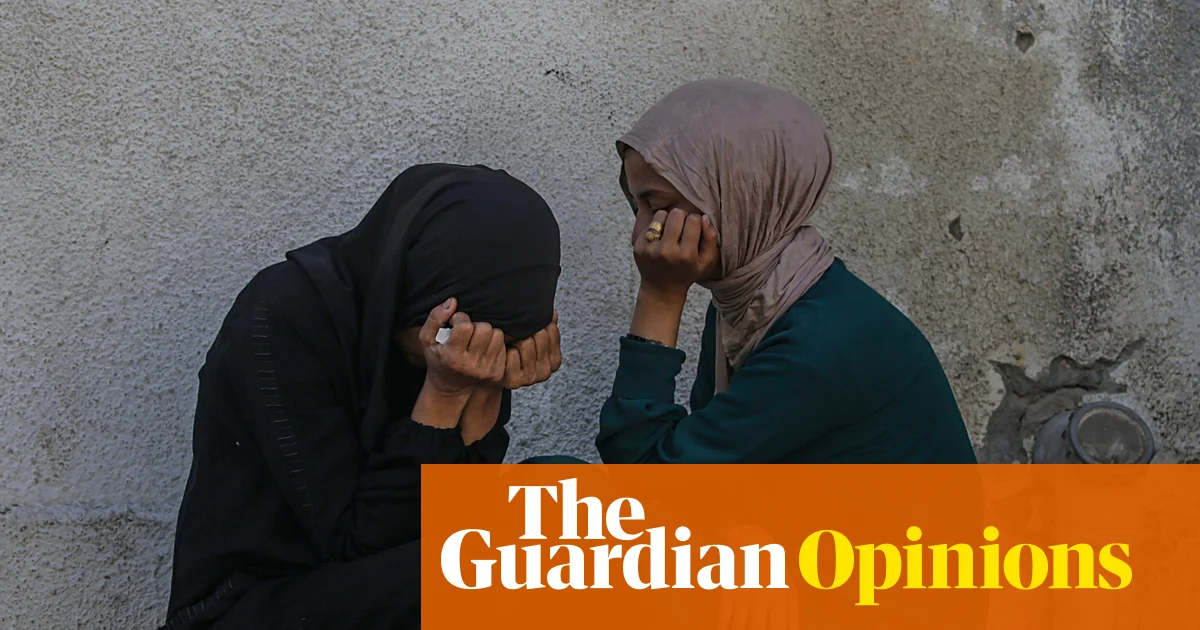
There is a continuing trauma and new threats to our safety from gangs who terrorise us. Our ordeal has changed, but it’s far from over
T
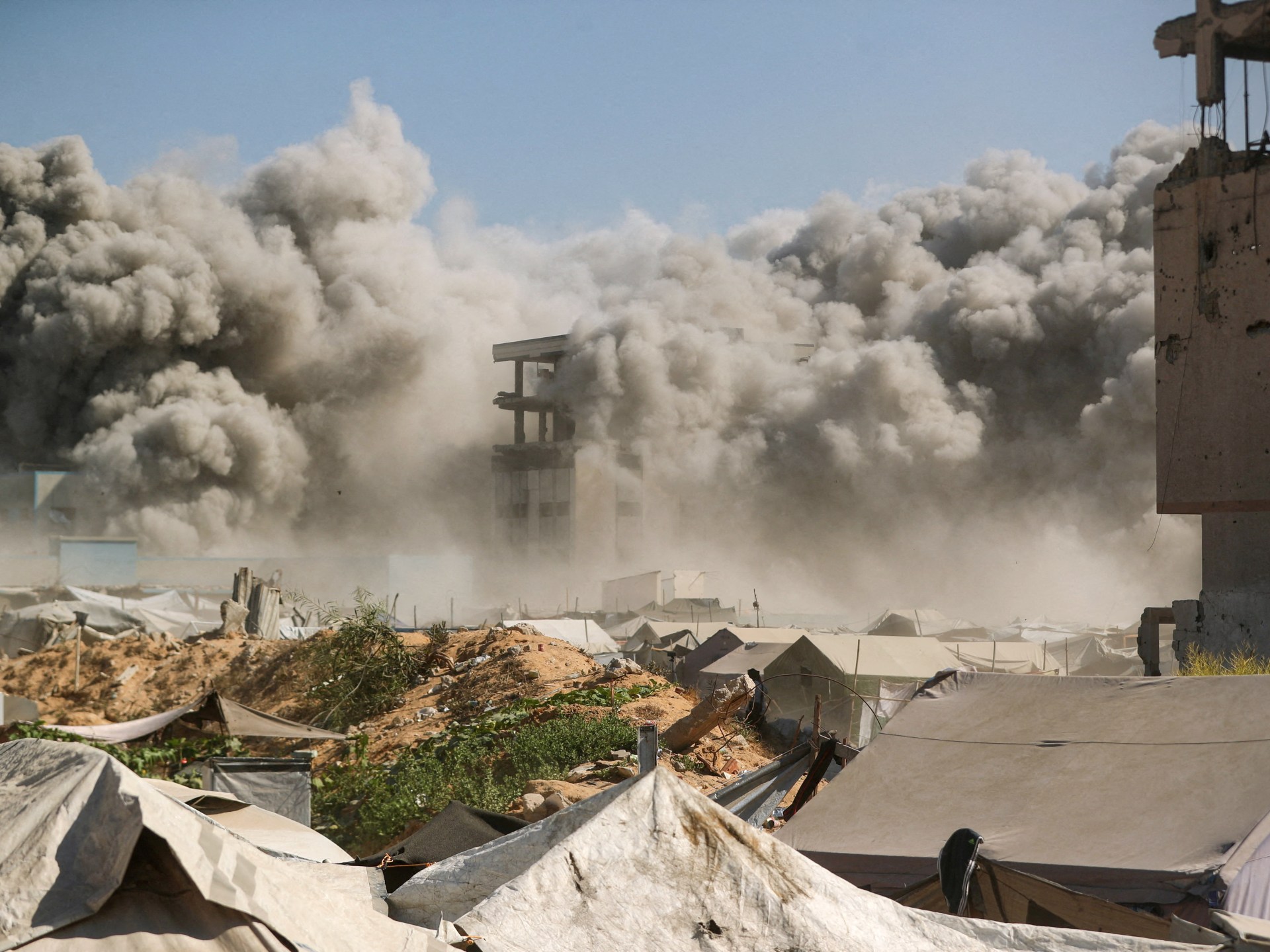
he war has ended, and it’s time for me to return to my coffee, my bread and my poetry. Yet I don’t know what it means to return to life, after death has lived within us down to the marrow. Death had us memorised by heart, reciting our names one by one with unwavering precision. We grew accustomed to it too, in all its forms and colours, until funerals became a daily ritual, much like a weather report we already know by heart. It rained death every day, and our homes scattered like dry leaves in an autumn wind.
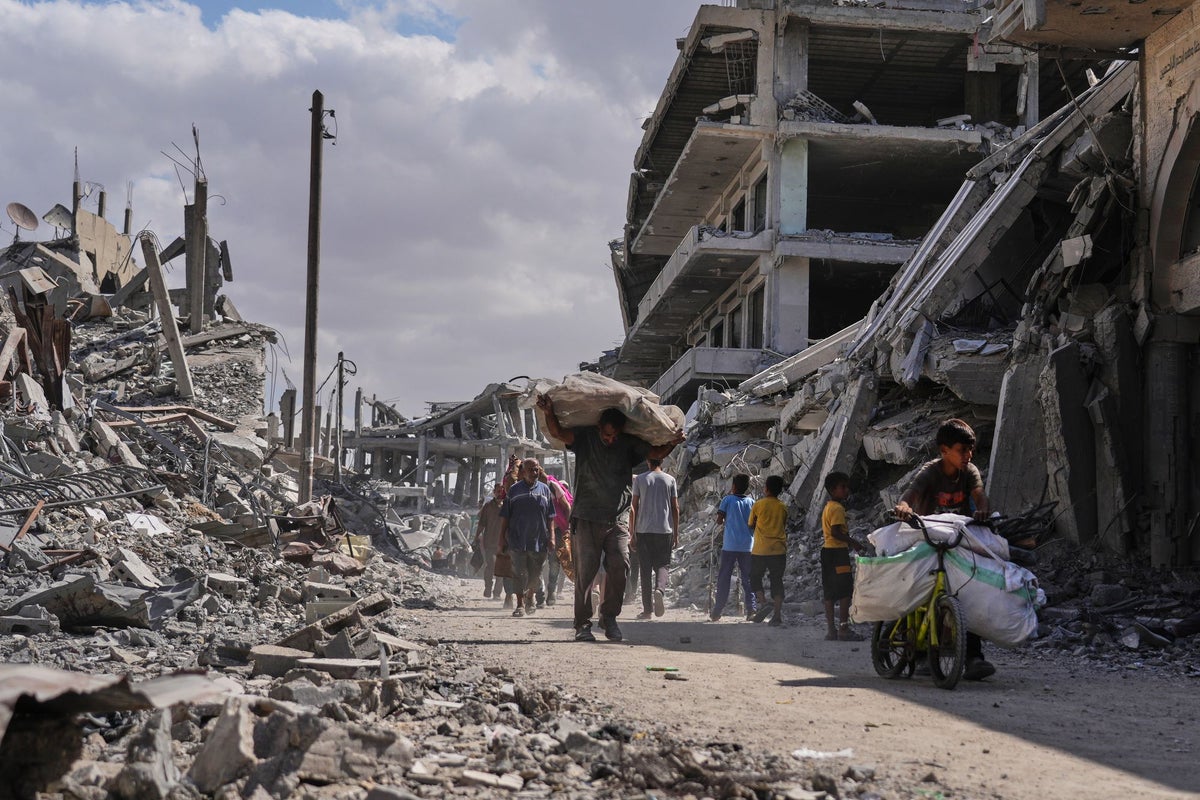
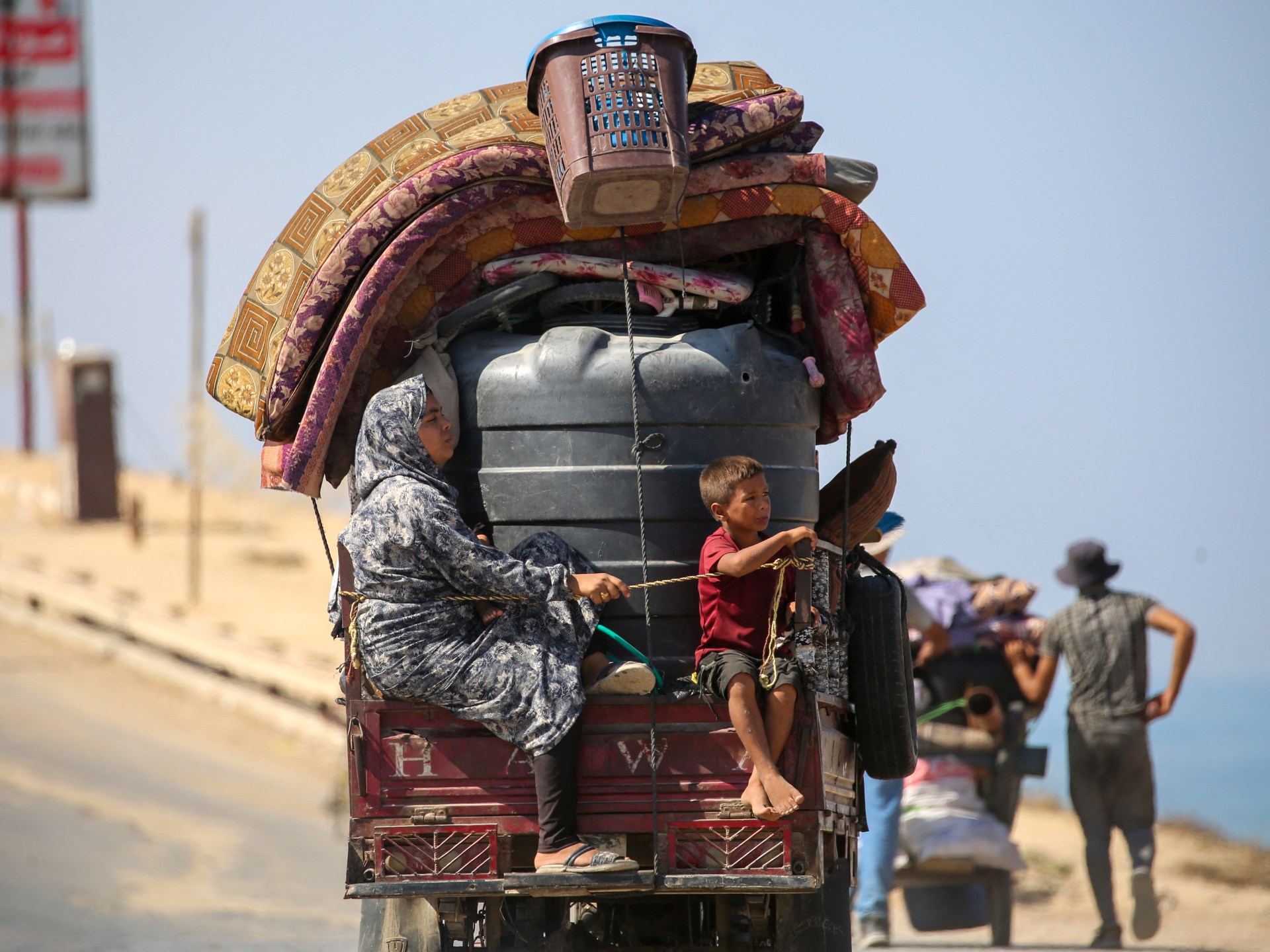
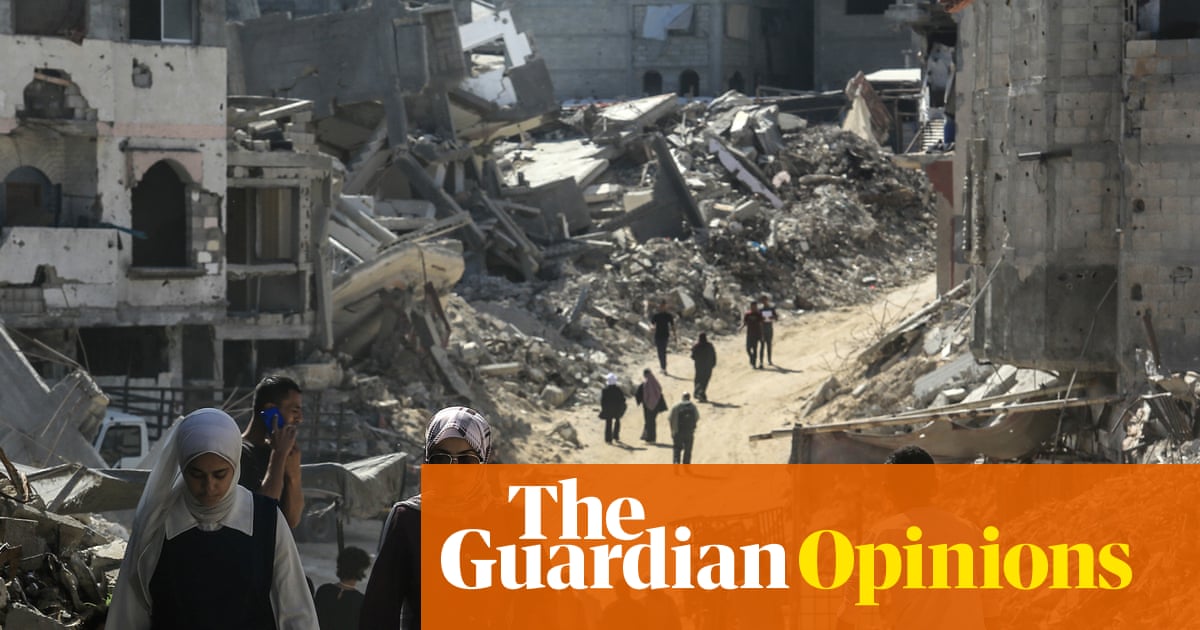
But another war has begun, of a different kind, more ruthless. The battles no longer take place only in the streets, but in every moment of life, in every step across the rubble, in every attempt to reclaim what remains of our daily spirit. The first chapter of this new war was the brutal anticipation of the roads leading to what remains of homes, or heaps of stones. With the destruction stretching as far as the eye can see, the roads guided us toward what is left of ourselves and our memory.
Now, if Israel allows us to live, death will pour meaning into life. We must repair our dictionaries, reclaim our morning rituals, let the plates return to their tables and the road regain its usual calm on the way to school. And I must dust off my knees and ride the horse once more.