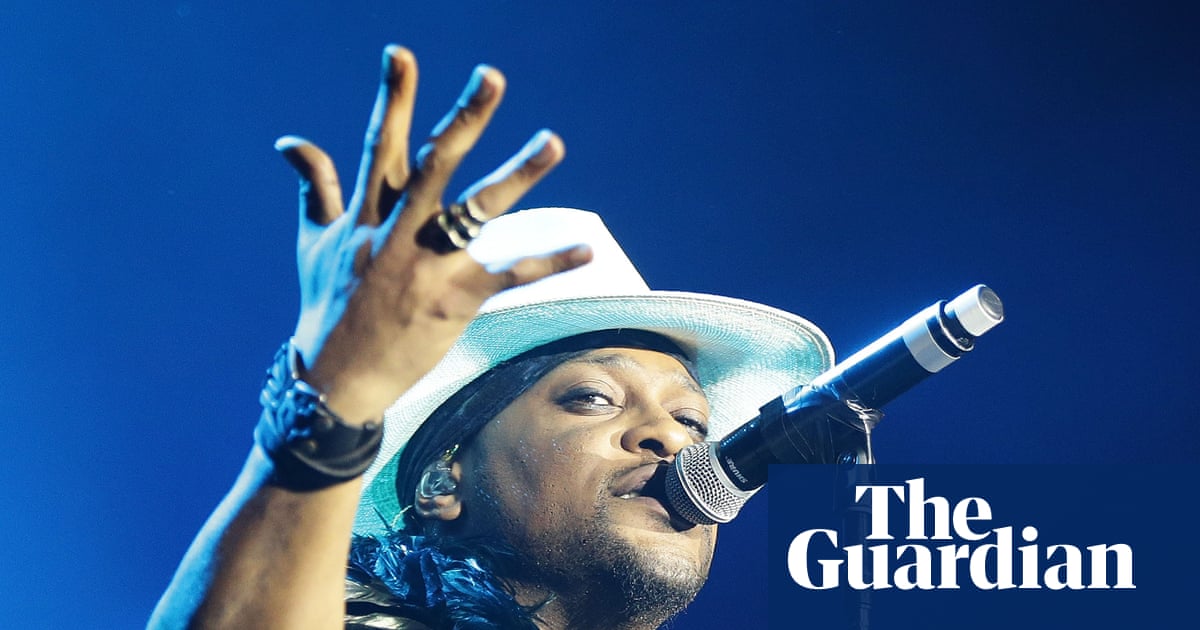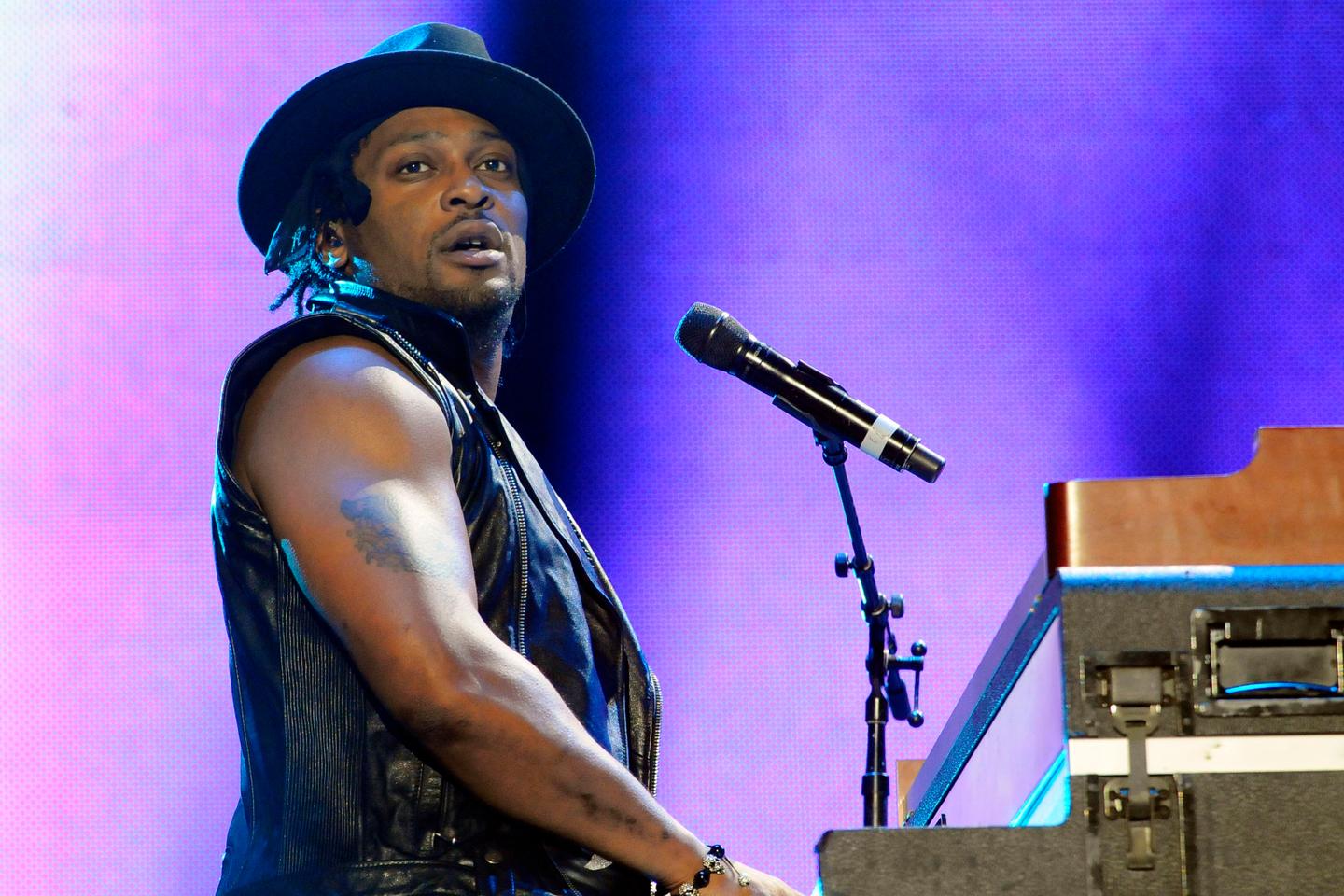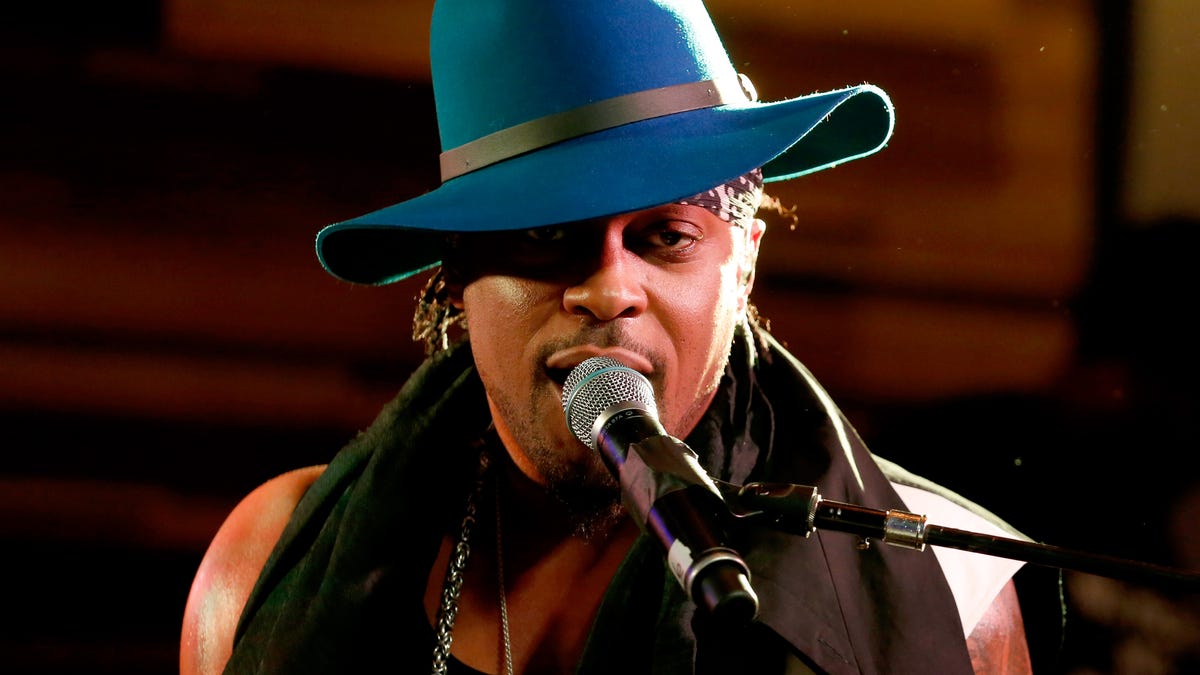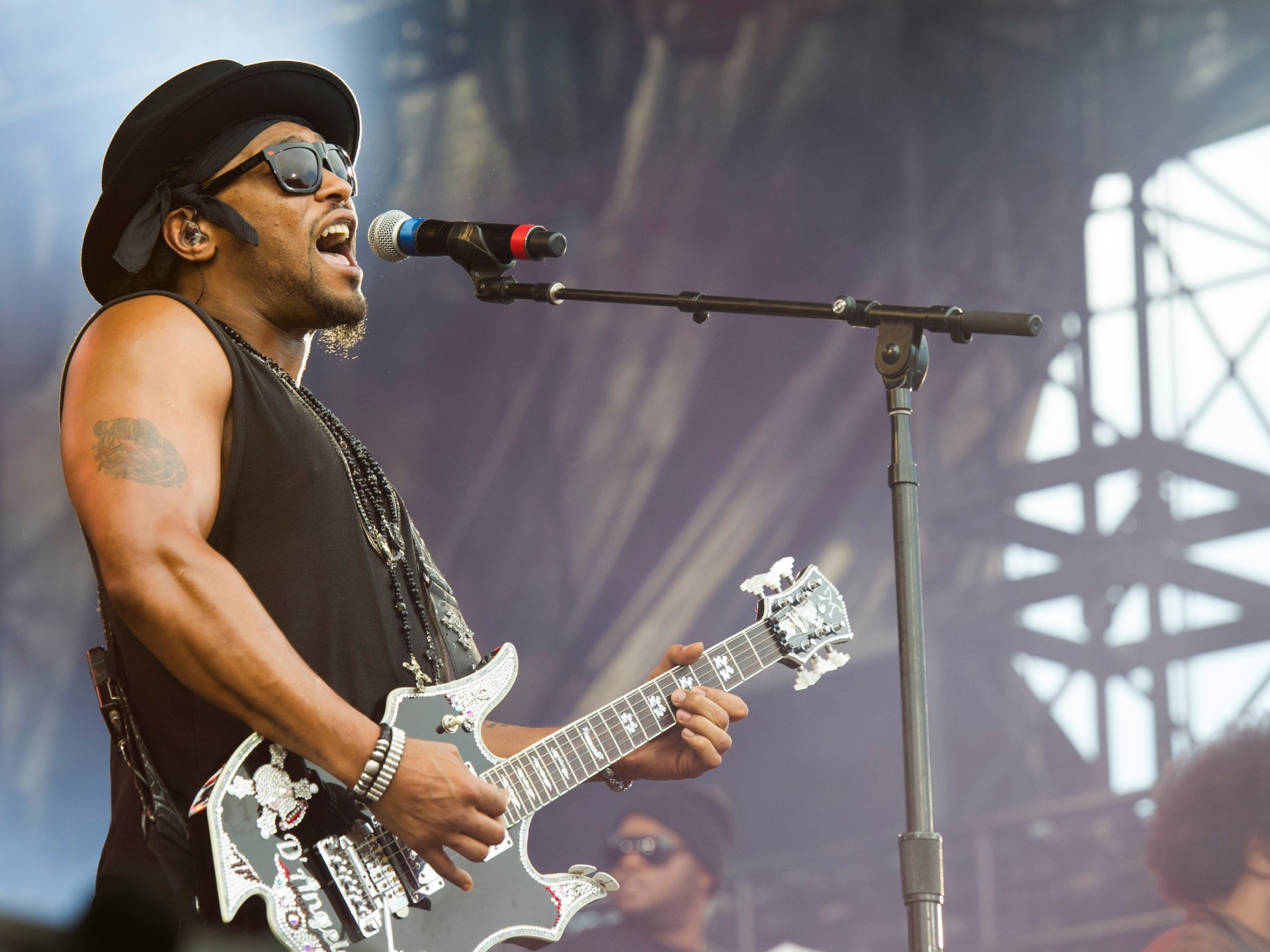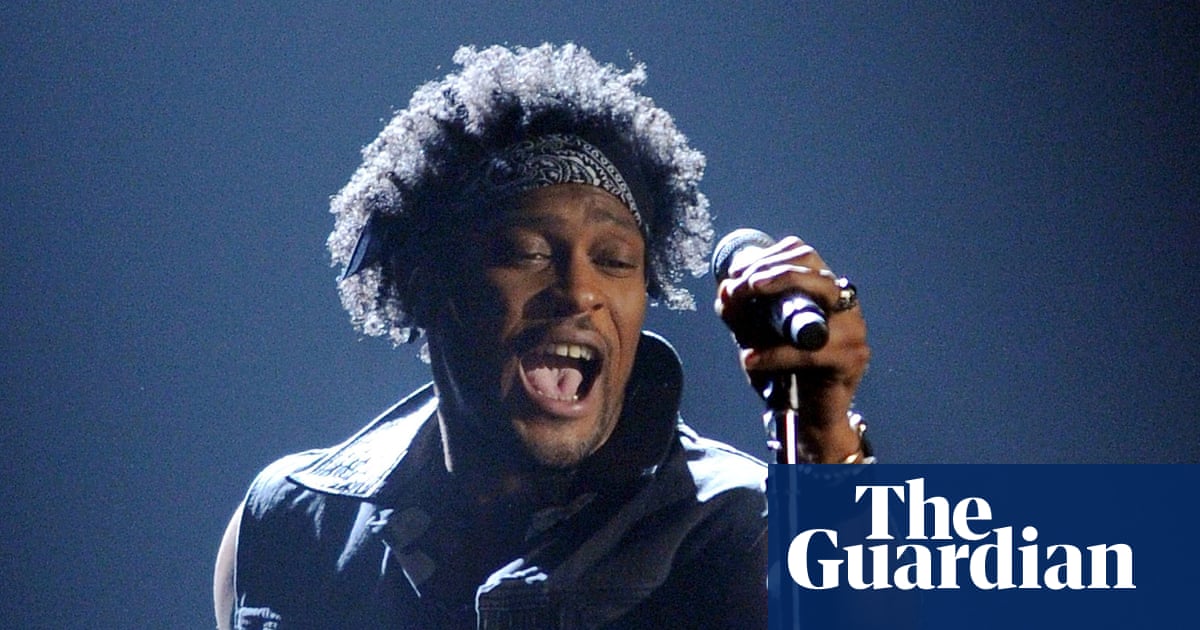
From the divine sensuality of Higher to the scabrous social commentary of The Charade, we explore the highlights of the late neo-soul star’s slim but stunning catalogue
D’Angelo burst on to the scene in 1995 with a debut album (Brown Sugar) that effectively reordered our musical palette, awakening memories of our parents’ living rooms where the stereo was always cued up to Stevie, Marvin, Smokey and company. What made Brown Sugar such a seismic jolt in the 1990s R&B landscape though was its smouldering sensuality laced with undercurrents of hip-hop’s don’t-give-a-damnedness; studious, devoted instrumentality; and an infectious commitment to the art of the infinite jam. Lady is the sister, so to speak, to the title track of D’Angelo’s audacious debut album. And whereas the latter introduced listeners to a hood Romeo on the make, Lady revels in the pleasures of a lover who’s already won the chase and whose twinned passion for intimacy and privacy takes the form of a thick, bass heavy, groove recitation. Behold the birth of neo-soul.
Leave it to D’Angelo, that rigorous forever-student of Black music history to close out his first album with a track that flaunts its sacred-meets-profane, pulpit-meets-the-juke-joint sensibilities. Higher fuses Sunday morning modern gospel iridescence with light bedroom innuendo (“‘Cause you take me higher / Further than the stars above / Send me in ecstasy, baby / With your love, with your love”). But its emphasis on the declaration of epic, cosmic love, Bowie-esque “Heroes” love, the kind in which you “put your hands into mine … and then we’ll take off to the skies above” – with the help of that soaring Hammond B3 organ – is proof that even on his earliest record, D’Angelo was interested in imagining Black love as not just a form of escape but as a kind of mobile shelter, monumental in scope and intensely divine. And like so many of Brown Sugar’s tracks, it reminded us of the precious and singular power of the soul falsetto. In the midst of an era ruled by hip-hop MCs and showmen producers, it doubled-down on the virtuosities of Black male vocality, treating it like the prodigal son, crown jewel star of pop we had always known it to be. Here, then, was the architect of Black Gen X sonic feeling and eloquence.