Today’s rightwingers want their message to go mainstream, so it’s coming to a store near you
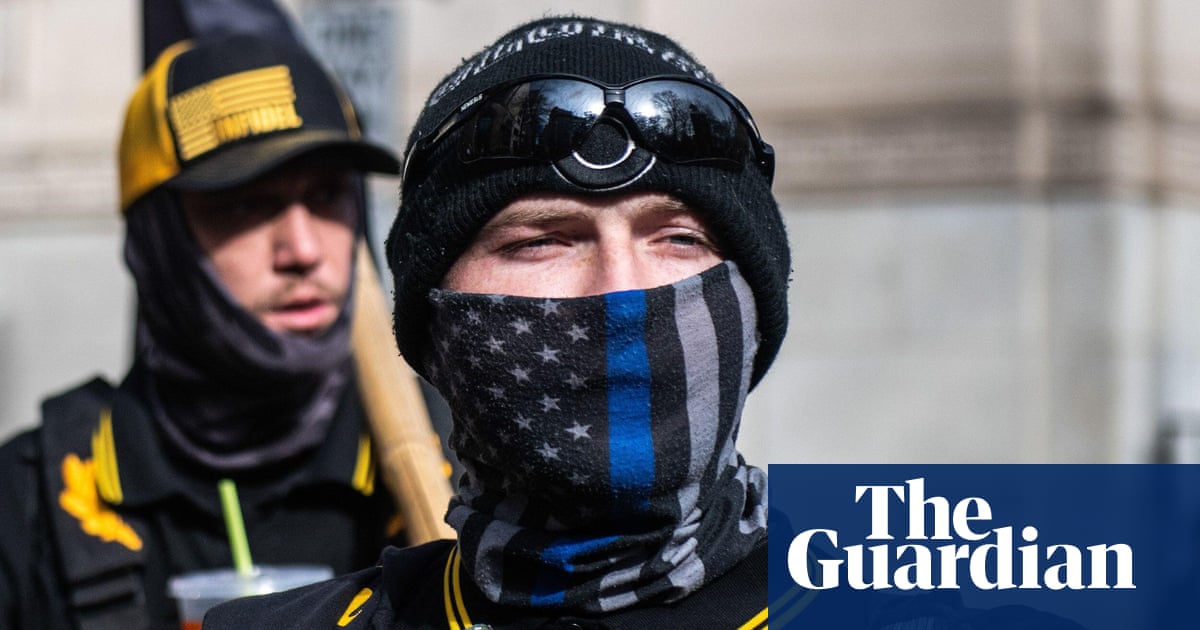
Fascism is back in style. Forget the old symbols: swastikas, nooses, Confederate flags, skinheads’ shaved heads and combat boots. Extremism has a new look, and it is as fashionable as ever.
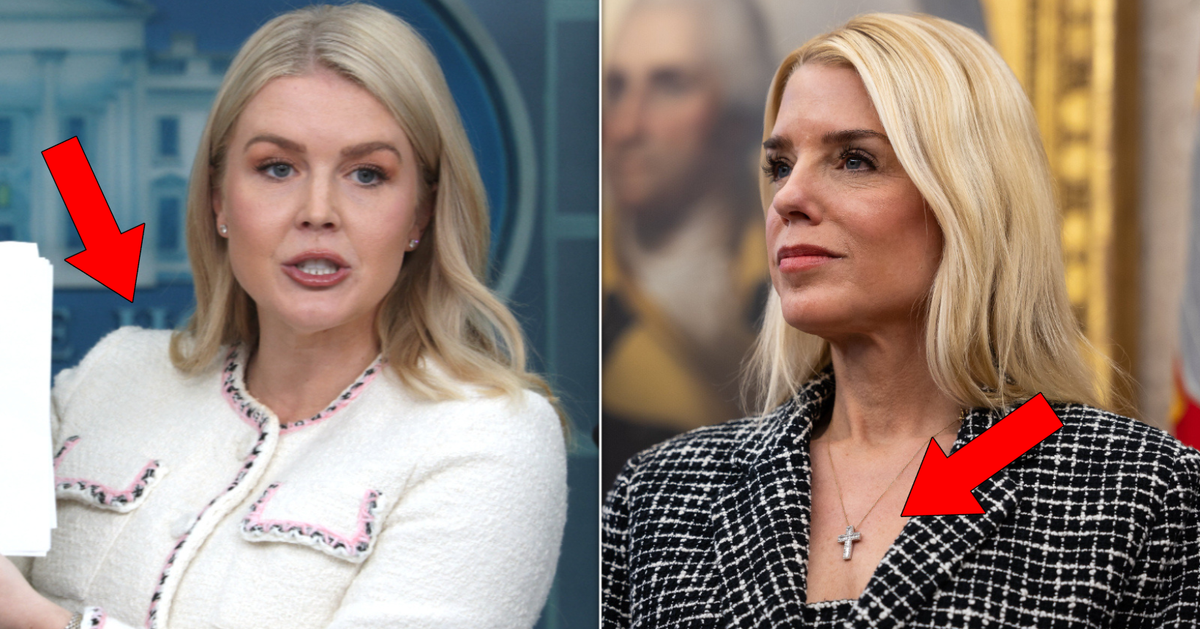
Today’s extremist styles are more diverse and more subtle. Beyond T-shirts that advertise blatant racism, polo shirts with coded symbols create a shared in-group identity and signal support of violence to other believers. Tradwife-style prairie dresses and beauty regimens promote conservative visions of family. Clothing is a powerful tool to spread fascist ideas to promote authoritarianism and recruit new members to this cause.
The far right’s weaponization of fashion to advance hateful ideas is not new. Fascist movements have long understood the power of aesthetics. In 1920s Italy, Benito Mussolini harnessed black shirts and the ancient Roman symbol of the fasces (a bundle of sticks with an axe, which stands for power and authority) to build his power and his brand. German clothier Hugo Boss, a card-carrying Nazi, designed the uniforms of the Schutzstaffel (SS) paramilitary and the Hitler Youth. Hate came with a slick, tailored look. In the US, the white robes of the Ku Klux Klan and burning crosses have long been trademarks of white supremacy. In the 1980s, the original fascists’ skinhead successors appropriated and repurposed bomber jackets, shaved heads and combat boots as their distinct form of military-ish chic.