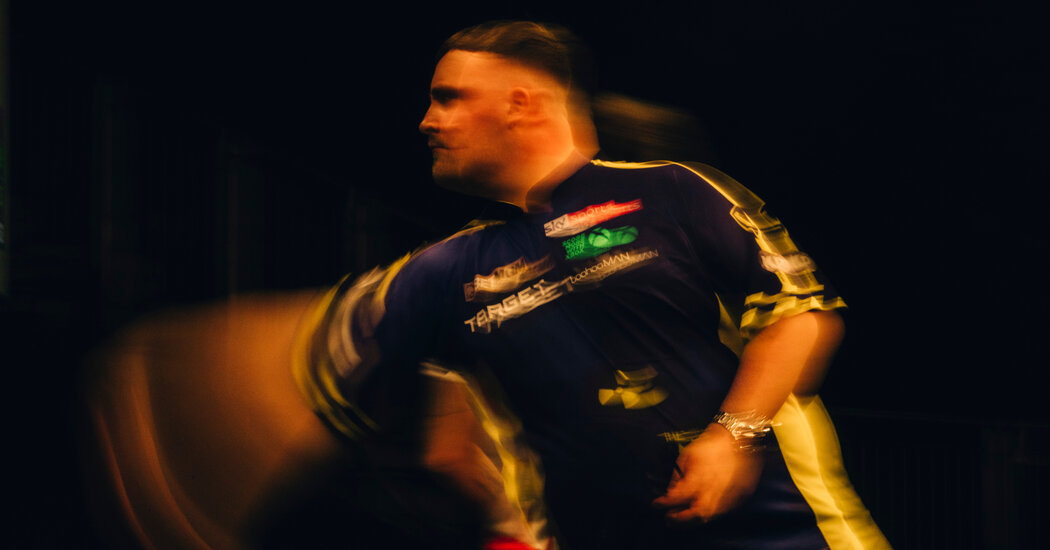
A new study shows twitches and involuntary movements between throws can lead to things going wrong at the oche
S
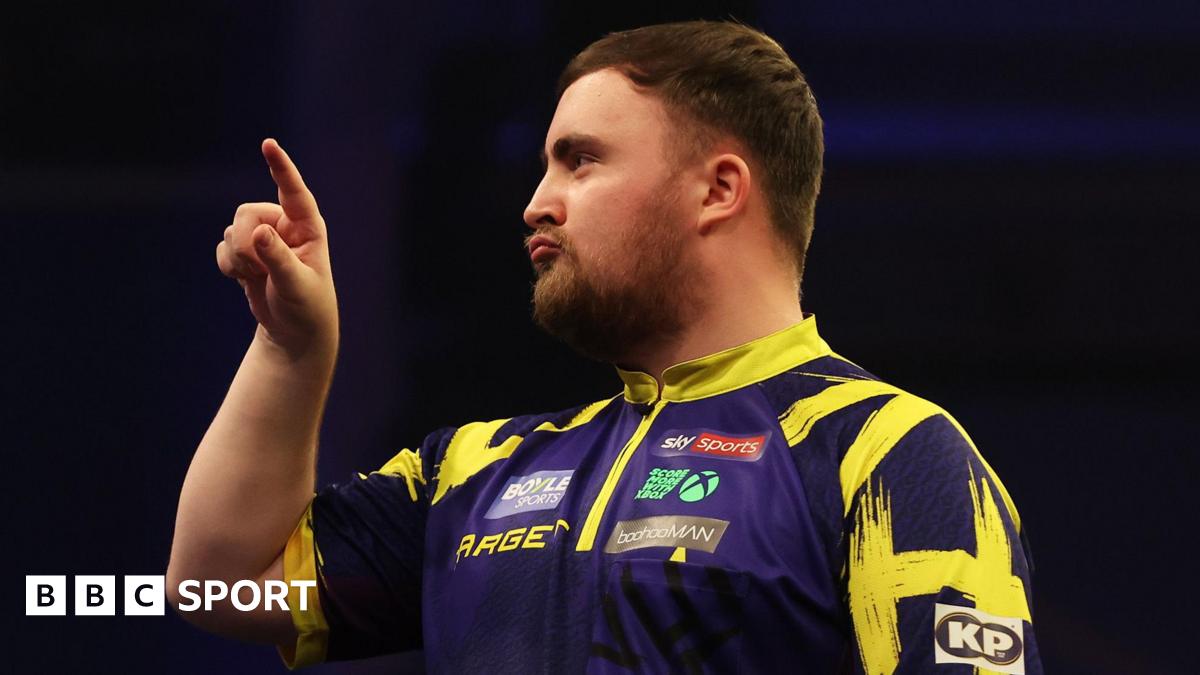
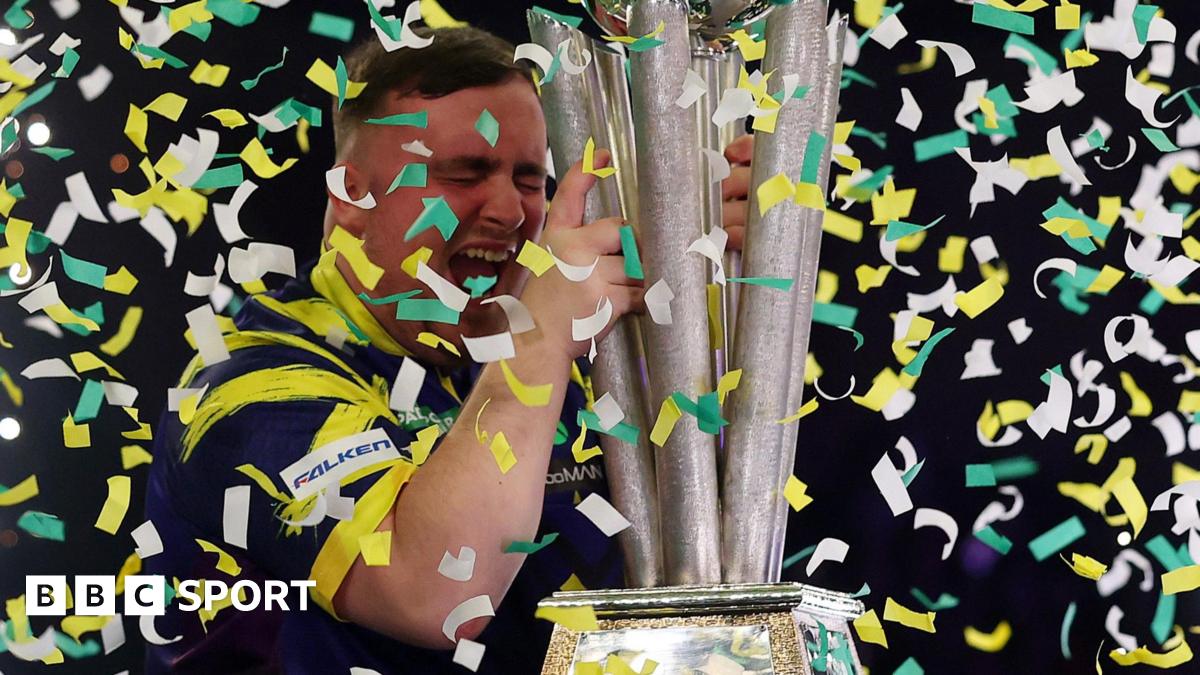
unday night in Leicester. A study in contrast. At one point Luke Humphries’s eyes widen as another 22g Red Dragon dart flies past double 16. He shakes his head. Looks down. Bites his lip. Meanwhile, the automaton beside him powers on. Until the moment Luke Littler is pumping his fists, revelling in his 6-1 victory and a first World Grand Prix title.
Littler’s extraordinary immunity to pressure is fast reaching the stage where even peak-era Novak Djokovic and Rafael Nadal would be taking notes. In his quarter-final against Gerwyn Price, Littler looked down and out at times until he hit a 156 checkout to clinch the match. Against Humphries, it didn’t matter that his three-dart average was more than a point lower as he won five of his six sets in final-leg deciders.
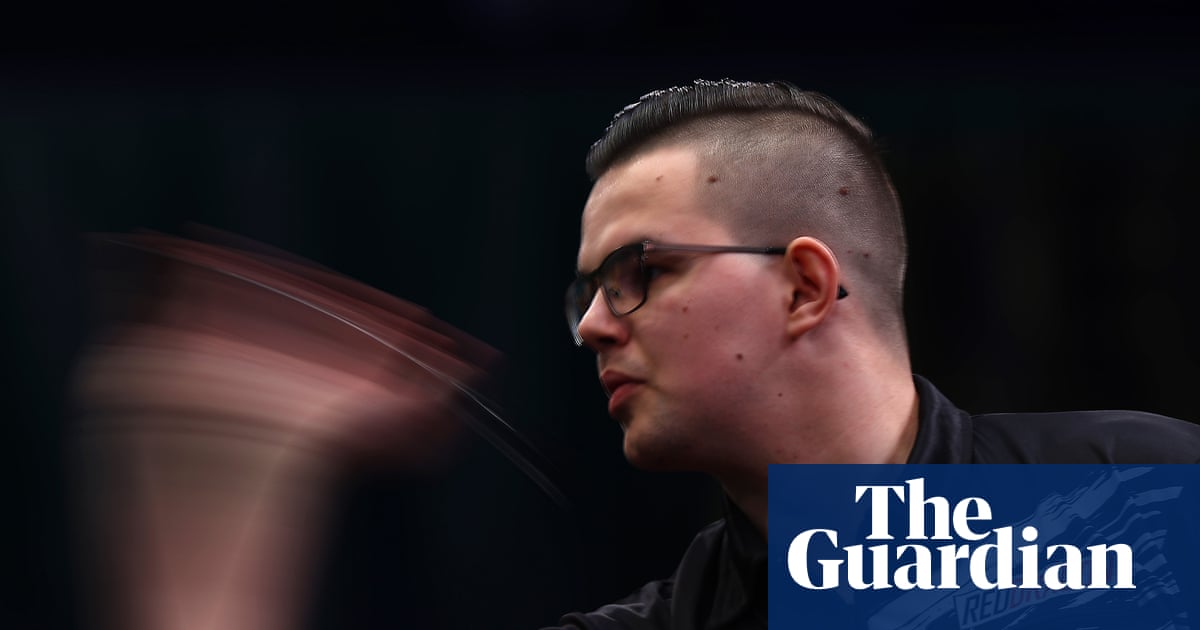
Luke the Nuke? More like Luke the nerveless. While the 18-year-old often reacted after a 180 or winning double against Humphries, there was barely a flicker of emotion between darts. That, according to Philip Furley, a senior lecturer at the German Sport University in Cologne, is significant. Furley has just published a new study in the Psychology of Sport and Exercise journal, which suggests that even the tiniest of facial tics and movements before a player throws a dart can indicate whether they will hit a high or low score.