S
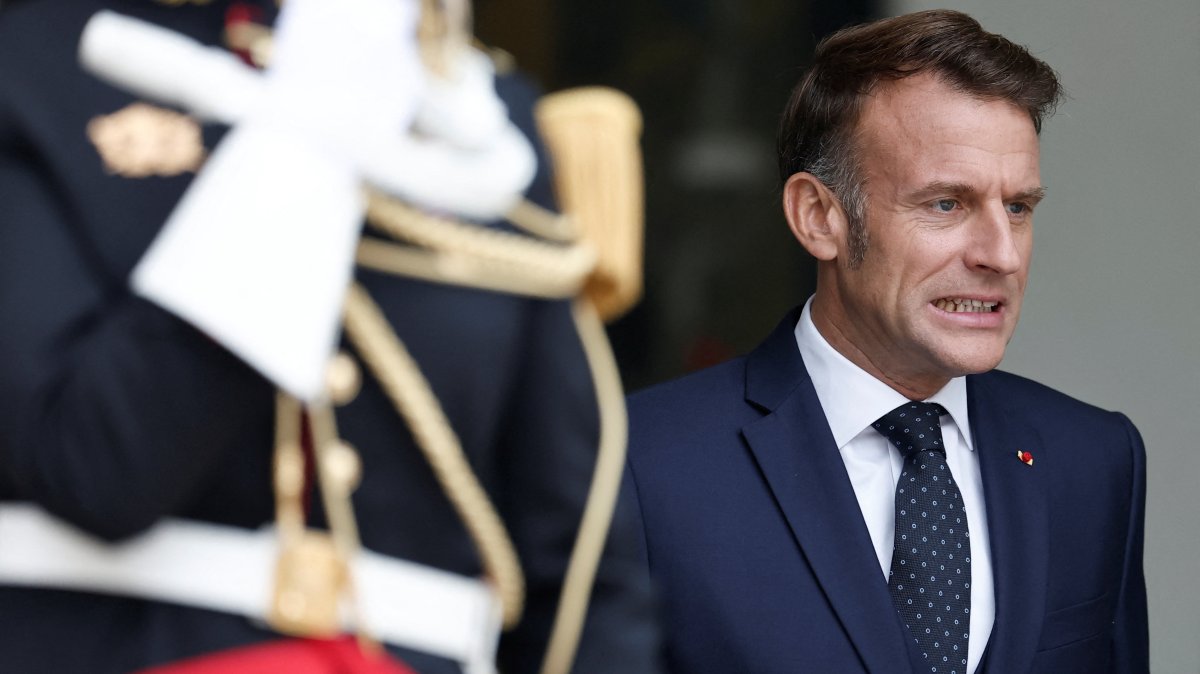
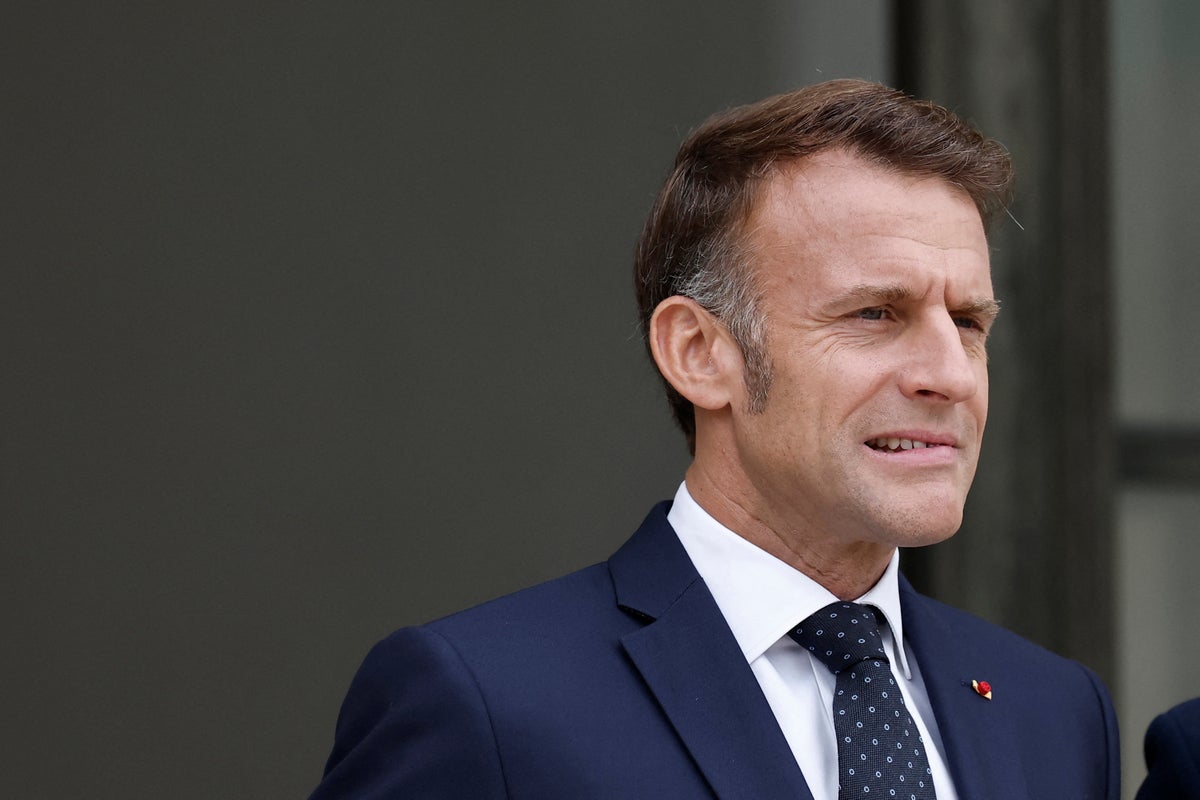
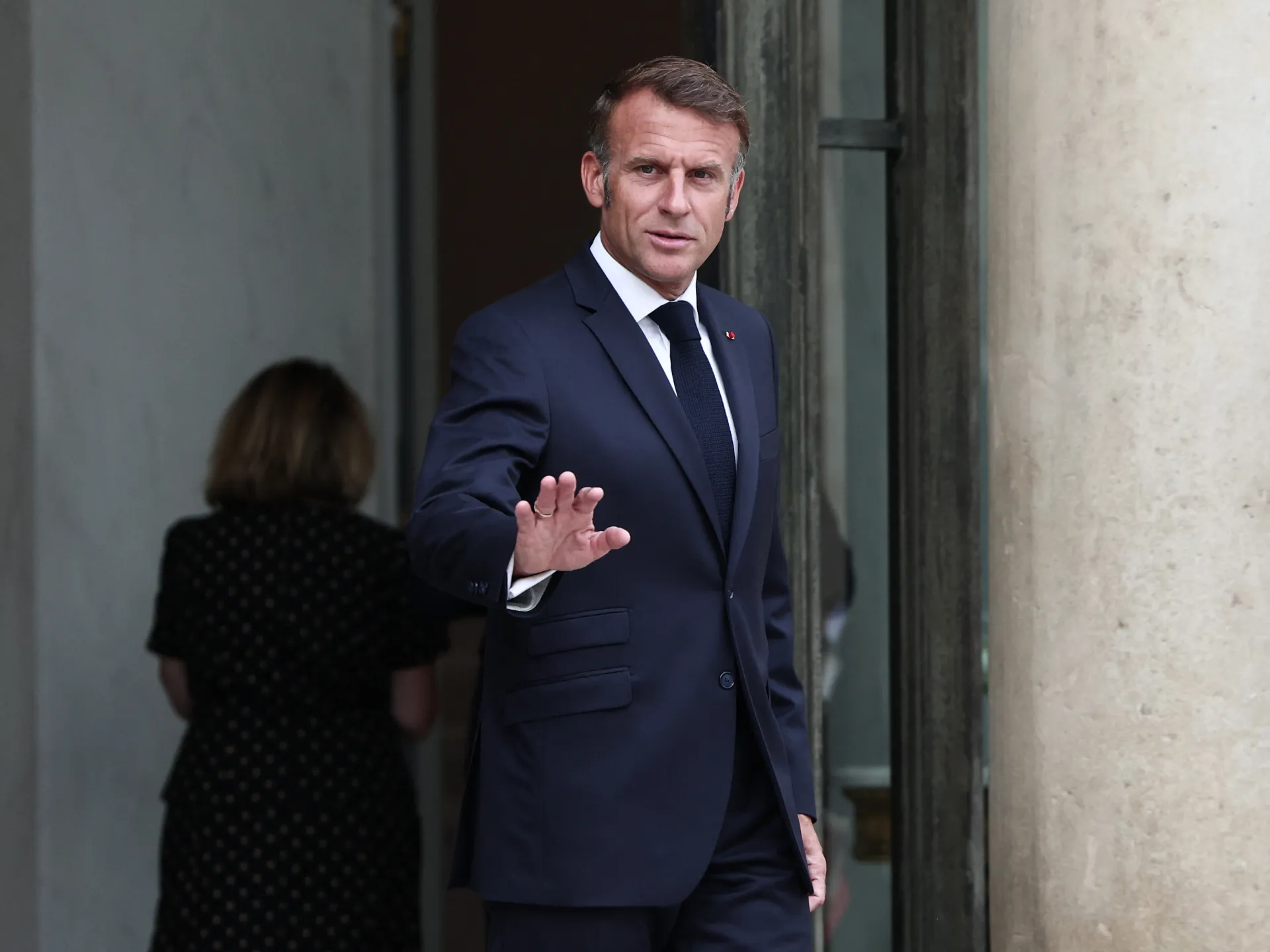
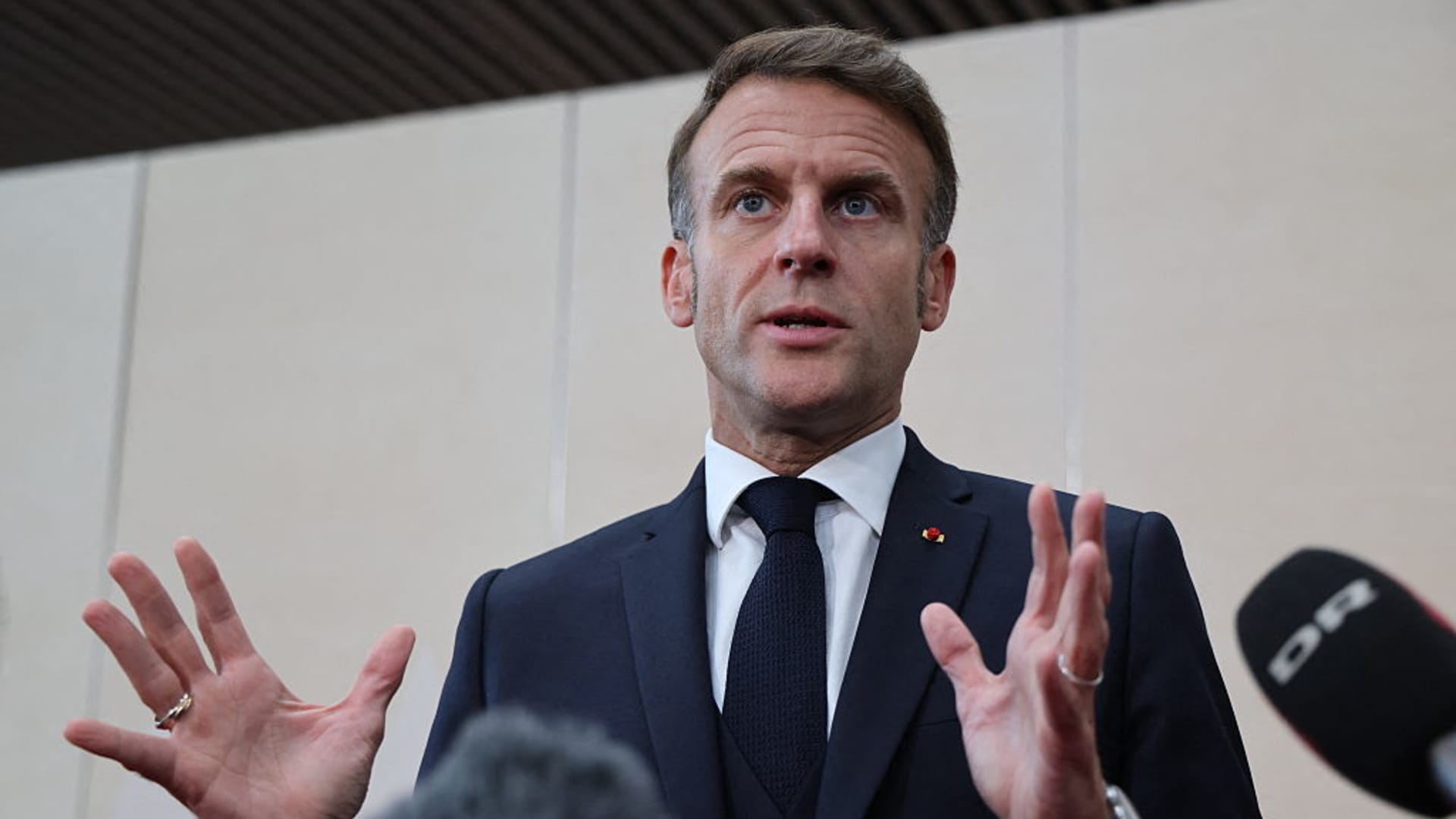
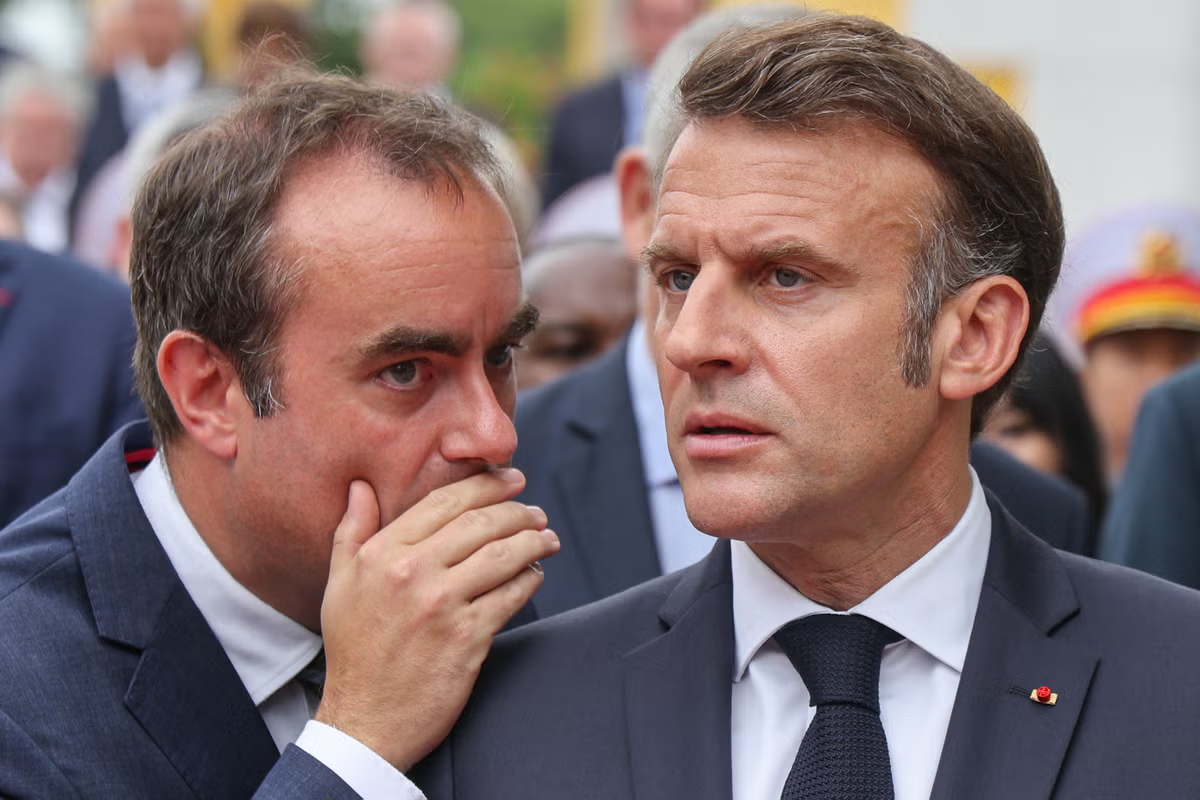
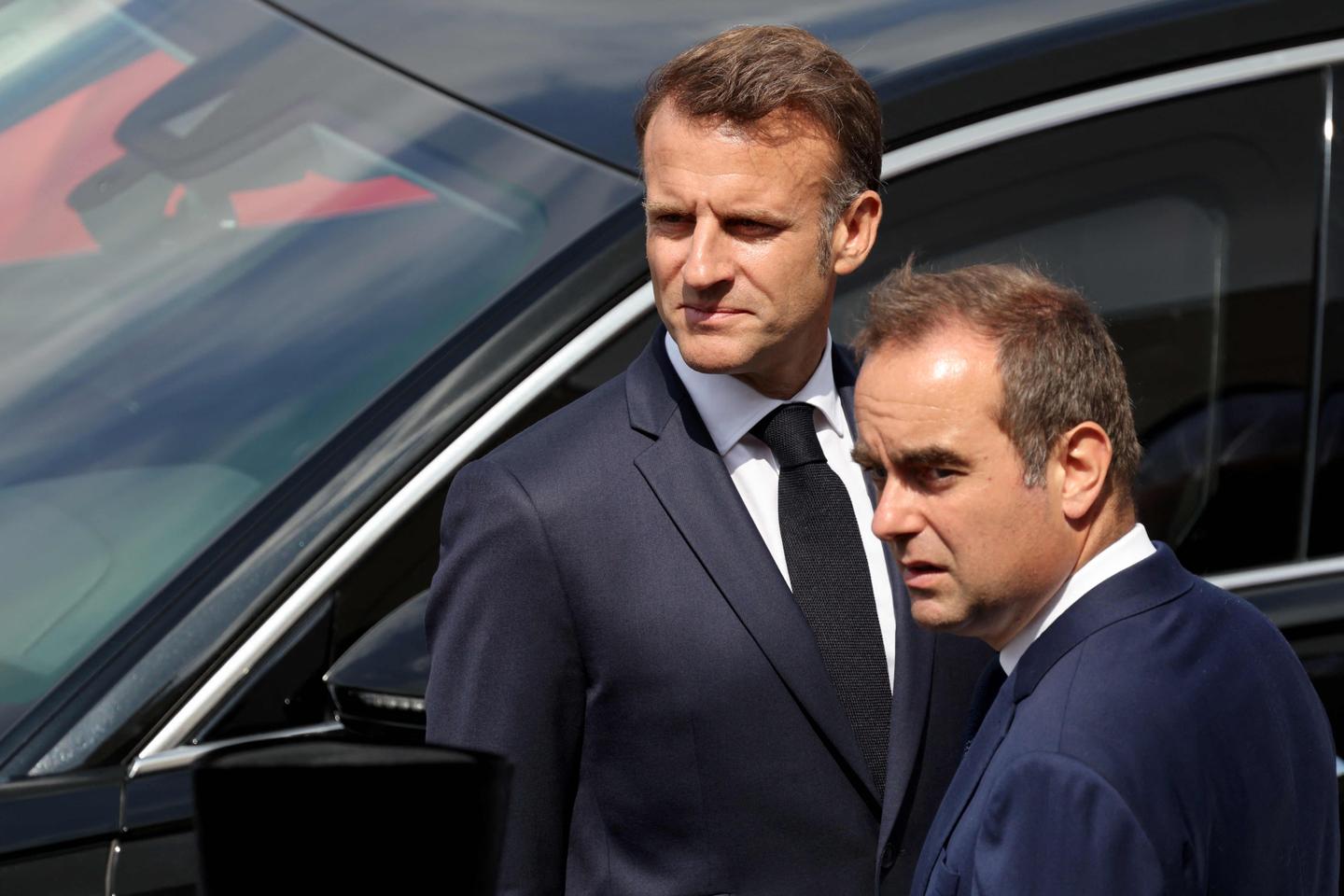
ome wanted him to resign, others for him to yield. At the start of yet another perilous week, Emmanuel Macron instead chose to force the issue. Despite Sébastien Lecornu's resignation, the French president reappointed his former defense minister as prime minister and, on Sunday, October 12, surrounded himself with a government that showed little real change. The move both heightened tensions with left-wing opposition and irritated his allies. The possibility of a censure motion against Lecornu as soon as the first ones are tabled by the far-right Rassemblement National and La France Insoumise (LFI, left-wing party) cannot be ruled out. By clinging to the idea of appointing one of his close associates, who is supported by an increasingly narrow base, Macron risks turning this major political crisis into a lasting institutional deadlock and, consequently, a regime crisis.
Subscribers only
New French cabinet shows Macron is still calling shots
The government was announced late on Sunday evening, a sign of great nervousness. Although Macron had given his prime minister "carte blanche," he wanted to review the final list before departing for Egypt on Monday. That took three hours. Ultimately, the inclusion of figures from civil society failed to mask the continuity – 12 out of 18 ministers from Lecornu's previous government were reappointed – nor the Elysée's desire for control. This same desire allowed Macron allies Gérald Darmanin, Roland Lescure and Amélie de Montchalin to remain at the key ministries of justice and finance.