The playwright’s only living descendant traces the shadow cast by his trial – and his rehabilitation as a gay icon
T
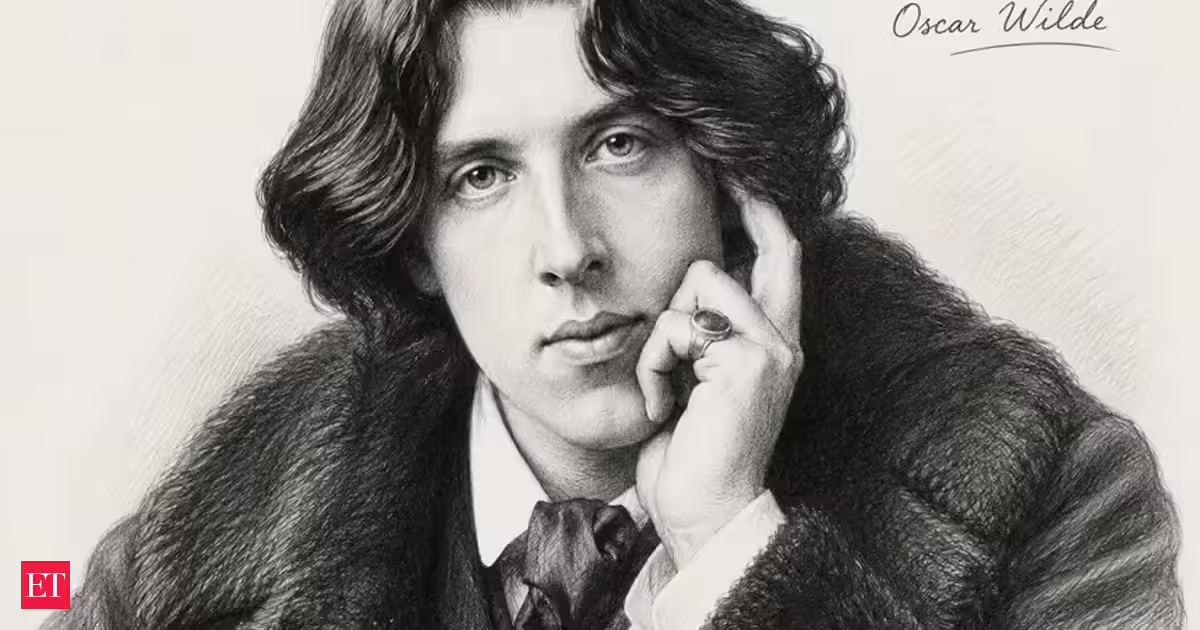
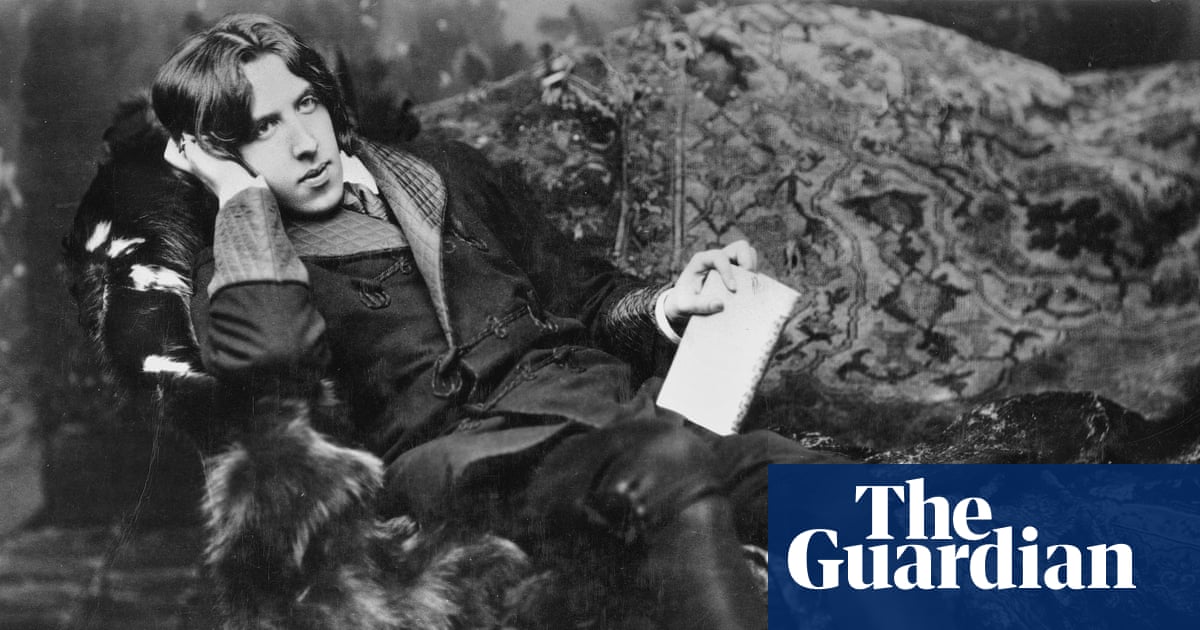
oday, Oscar Wilde is one of the most celebrated writers in English, both instantly recognisable and actually read. His plays are performed. His words are quoted. He reclines in effigy on both the Strand and the King’s Road. He even has a commemorative window in Westminster Abbey. But it was not always so.
When he died in Paris, in 1900, aged just 46, the obituaries were not generous. There was a feeling of relief that an embarrassing figure had been removed the scene, and a general hope that he and his works would soon be forgotten. The Pall Mall Gazette suggested that nothing he wrote had “the strength to endure”.
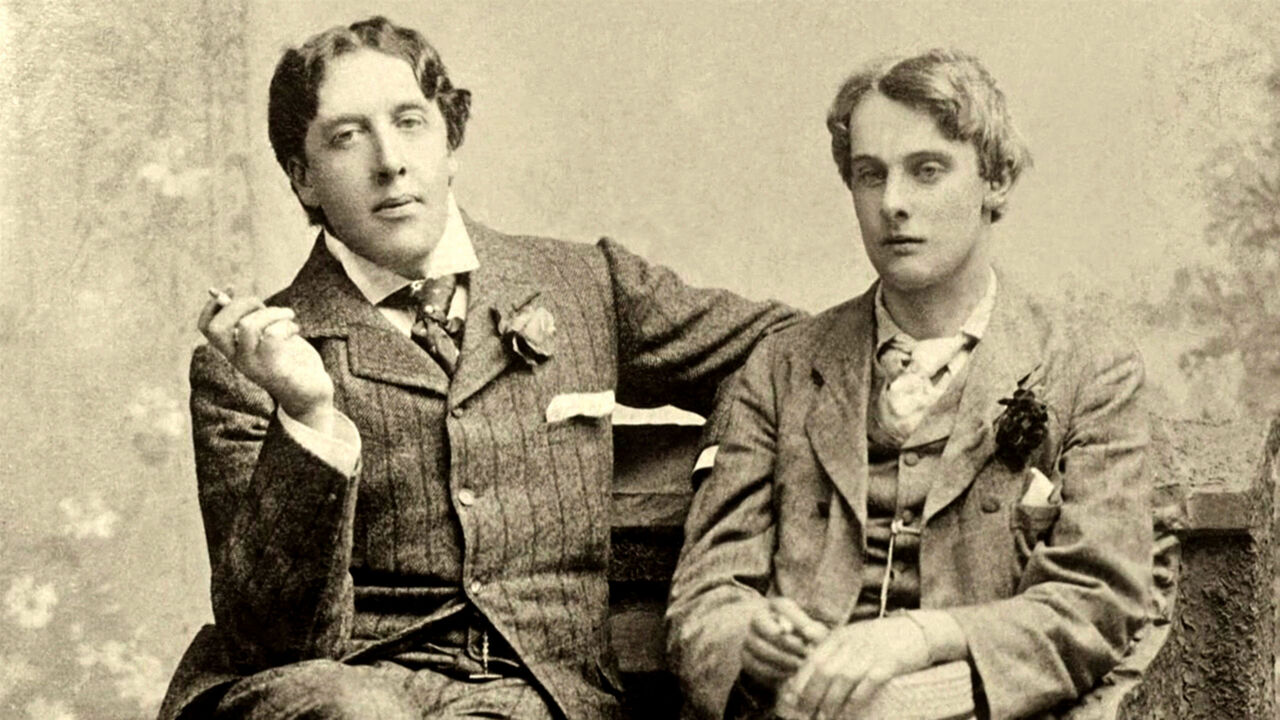
Just five years before, he had been the toast of London, with two successful plays running in the West End, but his arrest and conviction on charges of “gross indecency with male persons” had precipitated a very spectacular fall. Two years in prison were followed by three years of disgrace, continental exile, poverty and declining health, before the sad end at the modest Hotel d’Alsace.