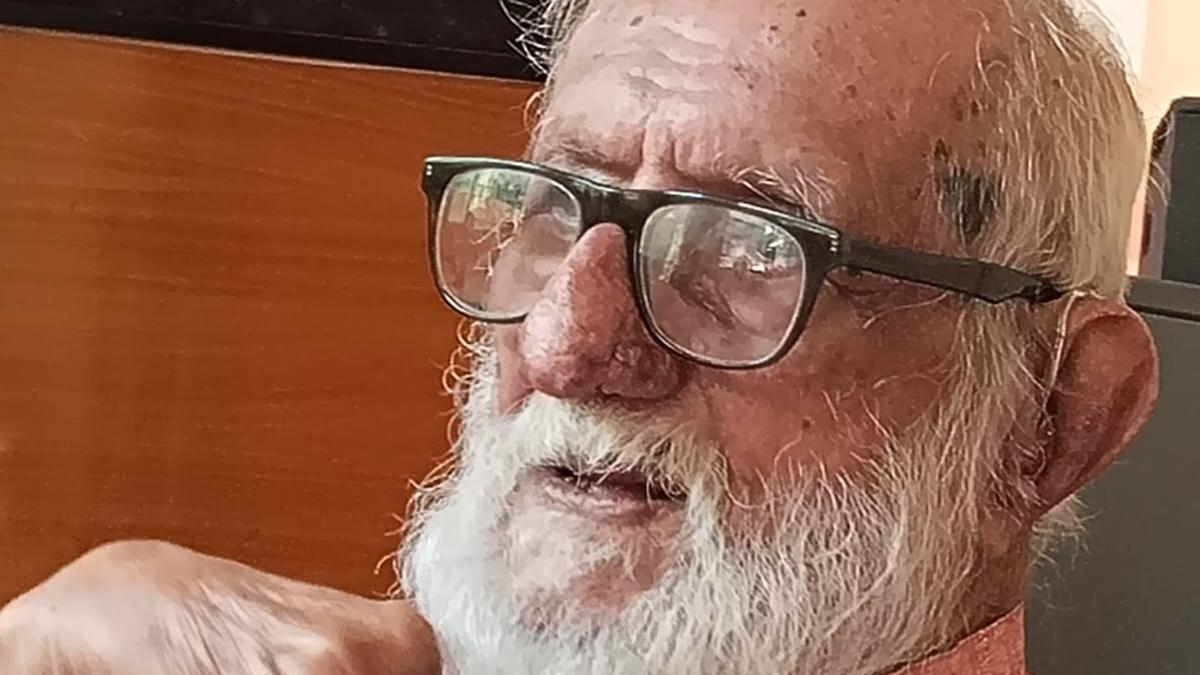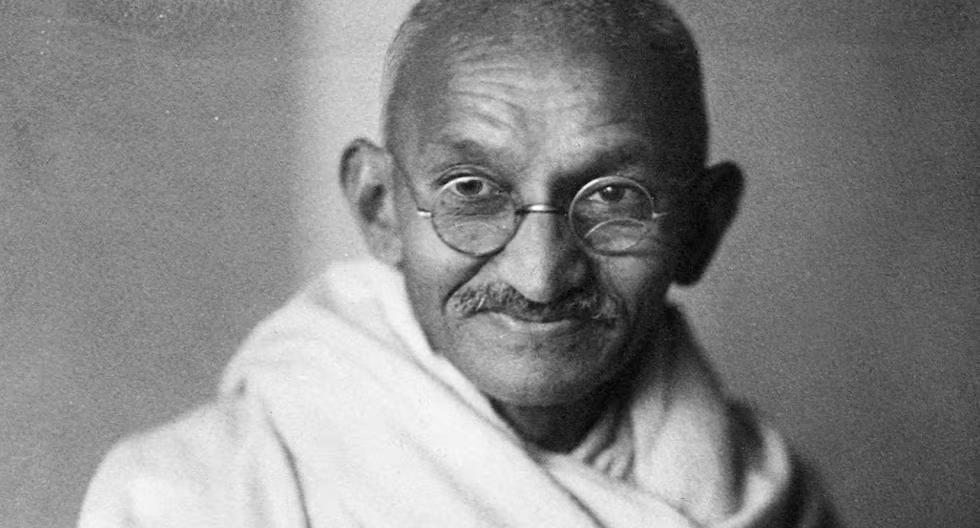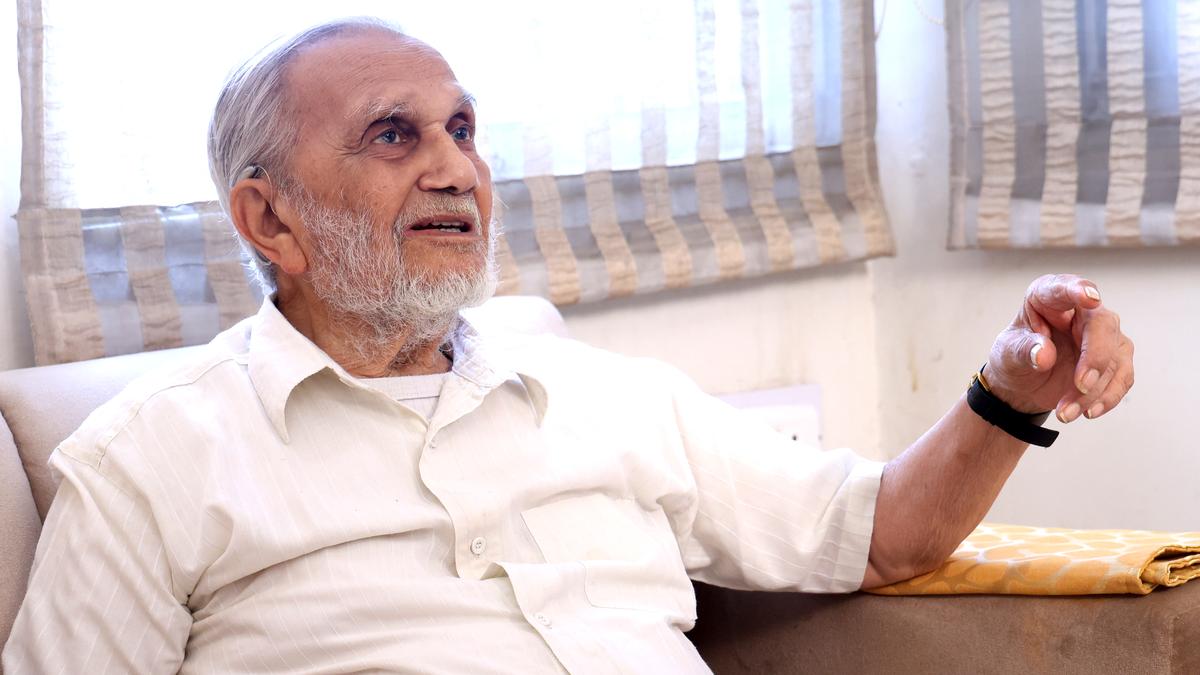
From a small town in Gujarat to the House of Lords in London, Bhikhu Parekh’s journey has been one of intellect, conviction, and humility. Born in 1935 in Amalsad, he rose from modest beginnings to become one of the most influential political thinkers of his generation. As Professor of political philosophy at the University of Westminster and later President of the Academy of Social Sciences, Lord Parekh helped shape modern debates on multiculturalism, identity, and democracy. His critical reading of Mahatma Gandhi drew wide attention, and in 2007, India honoured him with the Padma Bhushan.
Despite spending over six decades in the United Kingdom, his ties to Vadodara remain deep. In the early 1980s, he returned as Vice-Chancellor of Maharaja Sayajirao University — a role that strengthened his bond with the city. During his recent stay in Vadodara, Mehul Devkala met Lord Parekh for an unhurried conversation that moved from geopolitics and immigration to Gandhi’s legacy, Indian democracy, and the meaning of a good life.
It’s been 25 years since you entered the House of Lords. How would you describe that journey?
It has been a critical period in British history. Ms. Thatcher had just gone, and many changes were taking place. I entered the House of Lords in 2000, so it’s been a quarter of a century — quite a long time in anyone’s life. During that period, I witnessed enormous shifts — Brexit, for instance, which began as a democratic choice that many later regretted. There were also important debates on assisted suicide and Britain’s membership in the European Union. It was an exciting and transformative time, both for the country and for me personally.