The establishment left’s attachment to rigid rules leaves the party out of touch and failing to meet the moment
I
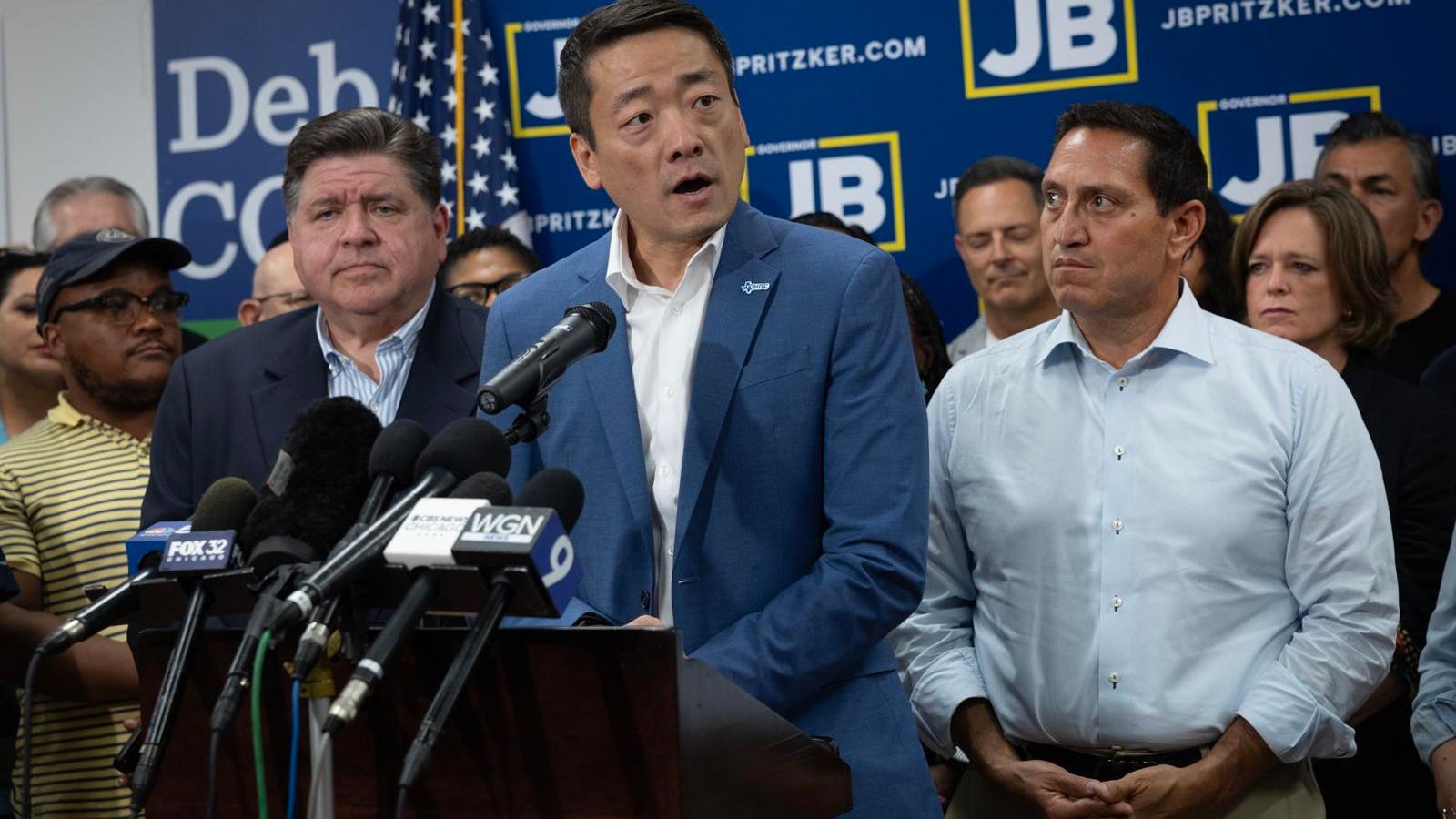
n early August, dozens of Democratic lawmakers fled Texas for Illinois, denying Republicans the quorum needed to pass new congressional maps projected to give the party as many as five additional seats. Their absence paralyzed the state legislature, turning a walkout into political resistance and drawing national attention.
As the standoff dragged on, Gavin Newsom, California’s governor, offered an unorthodox countermove: a proposal to suspend his state’s independent redistricting commission and draw maps designed to hand Democrats a comparable advantage. He unveiled the plan with spectacle, mimicking Donald Trump’s signature style through all-caps declarations, a mocking nickname for White House press secretary Karoline Leavitt (“KaroLYIN”) and AI-generated celebrity endorsements.
While Texas Democrats ultimately returned and the Republican redistricting plan has advanced, Newsom has been cast as the emerging leader of Democratic opposition to Trump. Why did it take the party nine months to find one?