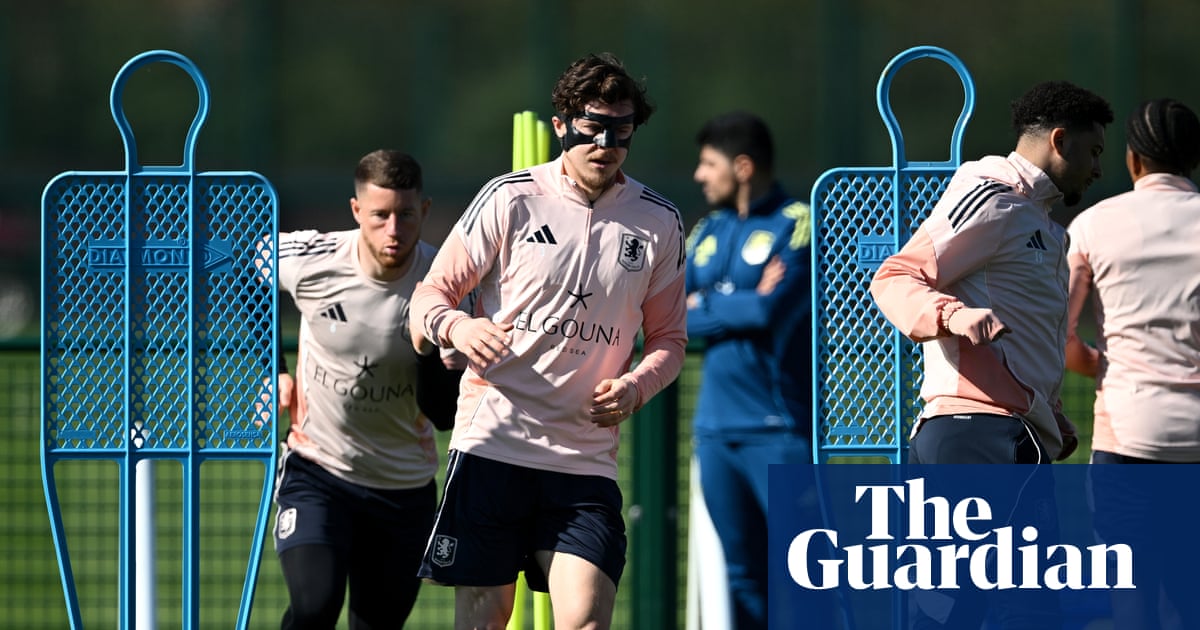
There is no grand PSR conspiracy against Unai Emery’s side. They should be challenging Newcastle or Tottenham for fifth
F
our wins in a row, seven games unbeaten and suddenly life does not seem so bad for Aston Villa. They are up into mid-table and if a 2-0 victory over Feyenoord in the Europa League will not quite live in the memory in the way last season’s games against Bayern Munich, Juventus and Paris Saint-Germain do, a return to Rotterdam at least evoked the glory days of 1982.
It will be a while yet before the frustration at missing out on the Champions League fades, but there does now seem to be a gathering recognition that Villa have a decent chance of winning the Europa League, potentially adding Istanbul’s Besiktas Park to De Kuip as a venue where they have won a European trophy.
The question, then, is where the gloom came from. Why did Villa seem so downbeat about a squad that, at least in terms of those on permanent contracts, had essentially traded Jacob Ramsey and Leon Bailey for the promising Evann Guessand? How did Villa manage to talk themselves into such a funk that they did not win any of their first six games of the season? The answer to which, just as it was for Newcastle, who also began the season in apparent denial about the quality of the squad, is profitability and sustainability rules (PSR).