Warnings about inflated tech stocks suggest investors never learn and central bankers learn too late
T
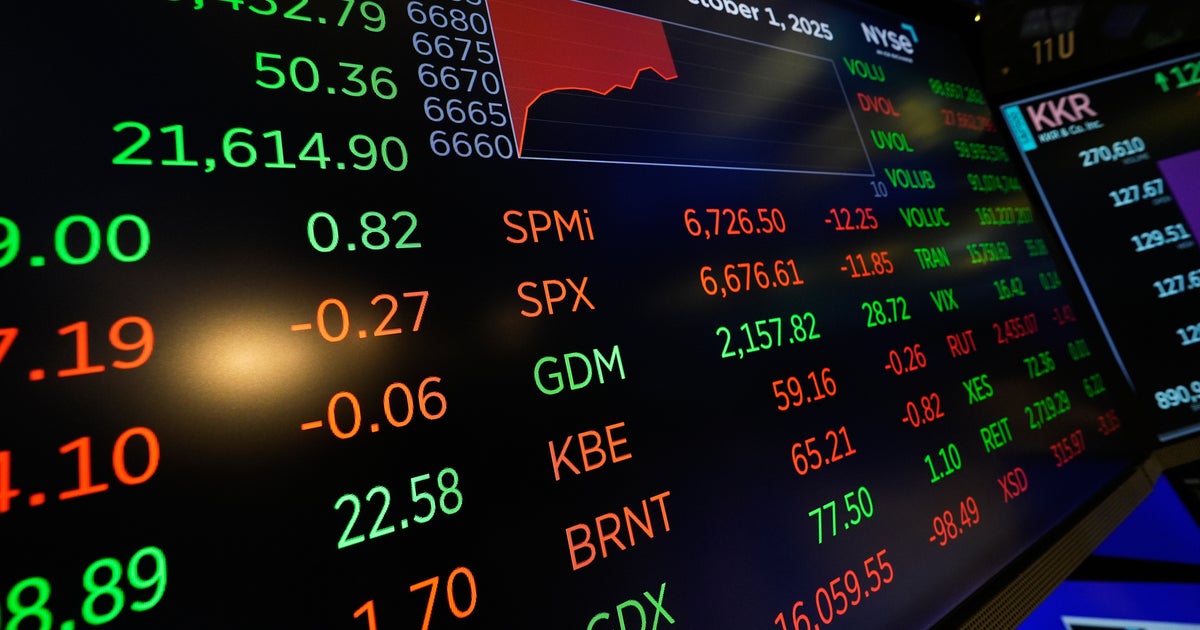
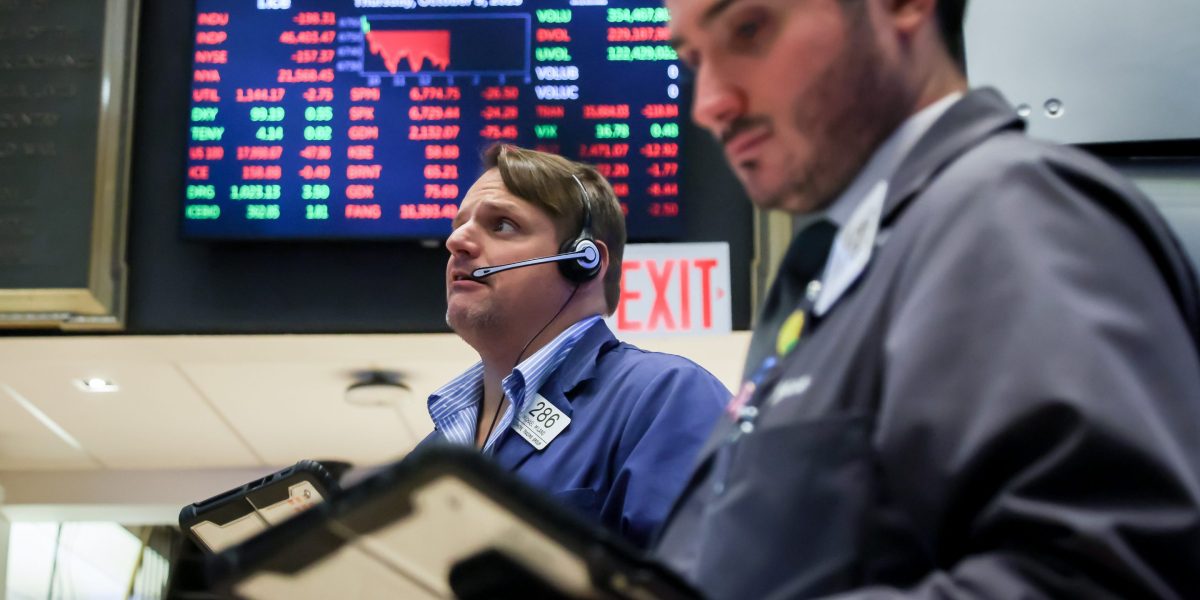
he message from global regulators this week was blunt: the AI boom is driving stocks to dotcom-bubble highs – and the world is finally listening. With so much cash riding on so few firms, any loss of faith could send shares tumbling and drag down the wider economy. China’s proposed export controls on rare earths add a fresh threat: not just to sentiment, but to advanced chip supply chains themselves. It’s a long way down from such dizzying heights if gravity reasserts itself.
Warnings from the past abound in Charles Kindleberger’s history of financial crises, Manias, Panics and Crashes, which begins with tulip mania in 1636. What commonly happens, he wrote, is “that some event changes the economic outlook. New opportunities for profits are seized, and overdone.” Once the mistake is realised, there’s a panicked exit with a crash in the price of “whatever has been the subject of the mania”. The pattern repeats itself so frequently that it seems investors never learn and central bankers learn too late.
But why? Look to economist Hyman Minsky, from whom Kindleberger borrowed much. Minsky addressed the deeper conundrum that is being sidestepped today: how to stabilise financial innovations before they destabilise the system? He thought that the longer markets remain calm, the more risk they take. The genius – and danger – of capitalism is that it can’t stop chasing another win. To prevent that, Minsky thought, required not moral restraint but institutional redesign.