The ceasefire in Gaza happened because the US president lost patience, but now he must be vigilant. If Israel’s PM can scupper the plan, he will
A
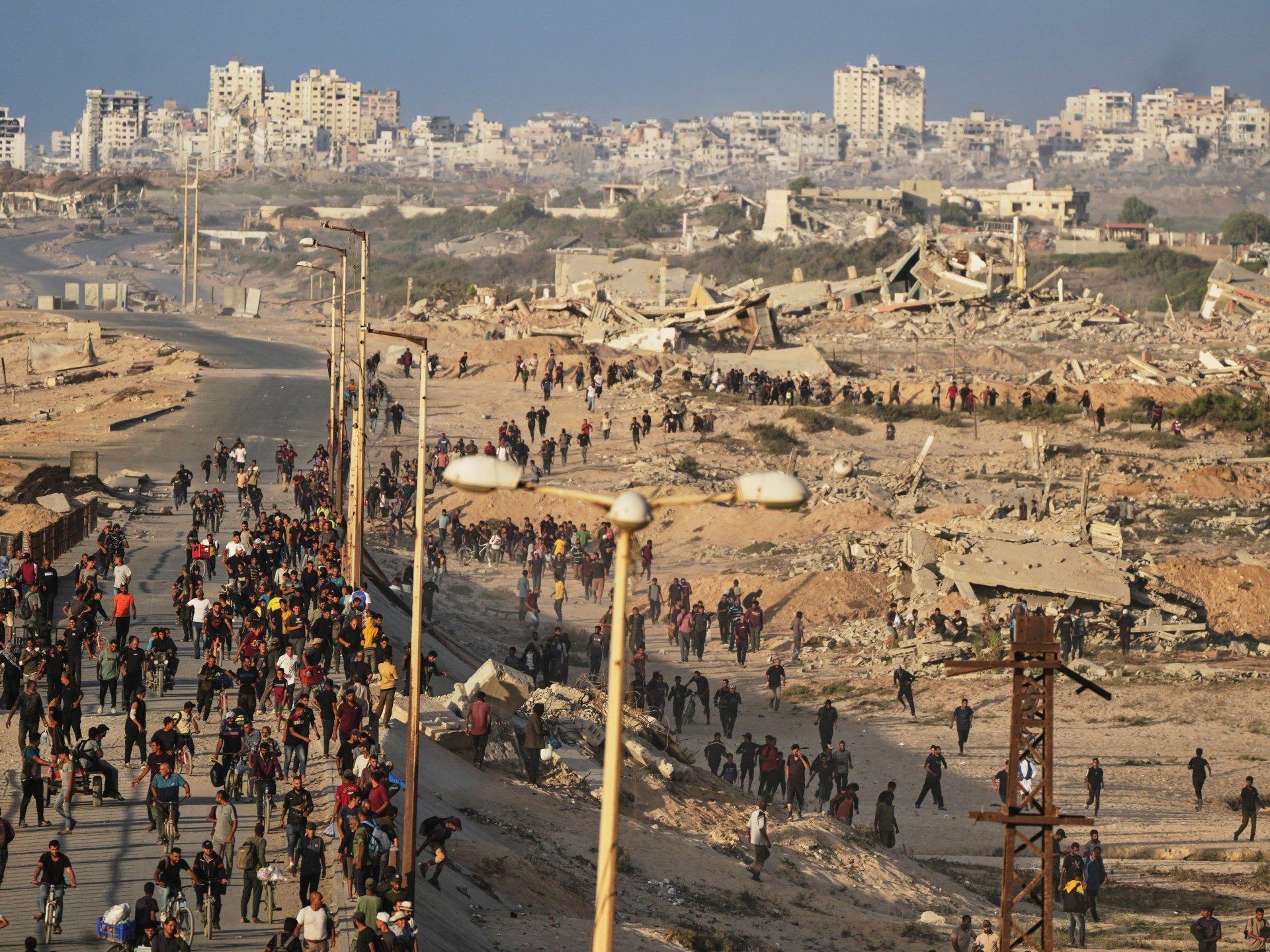
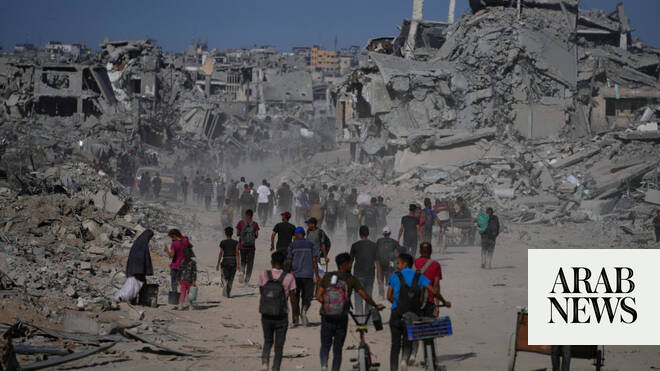
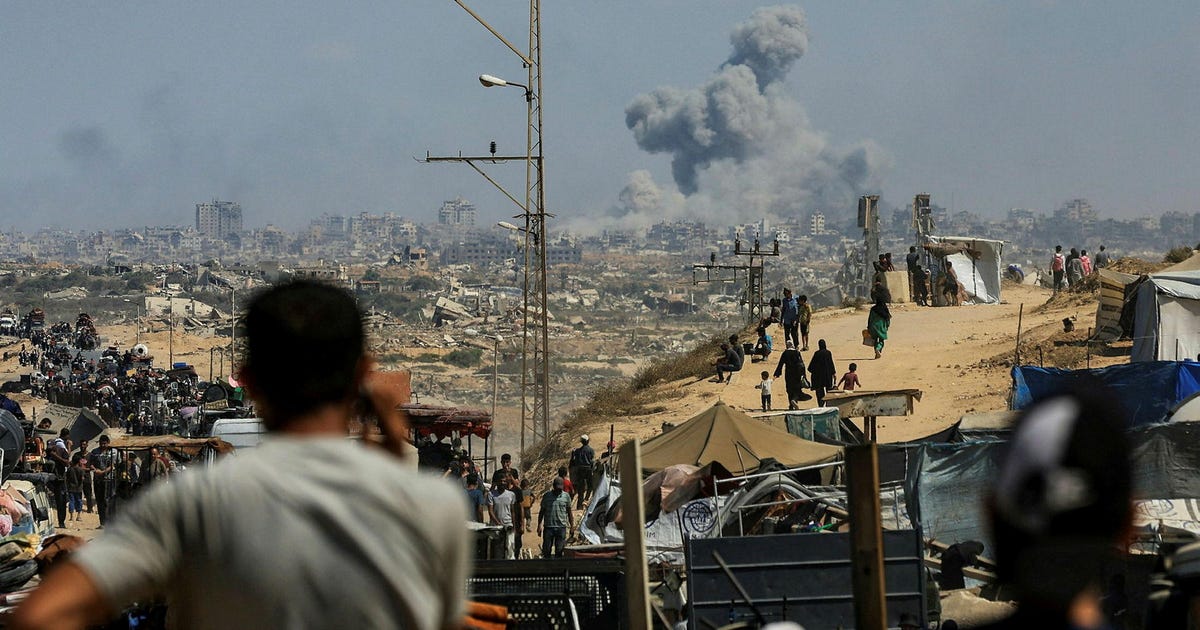
fter so many images of death and devastation, what sweet relief to see pictures of joy. On the world’s TV news broadcasts, the screen was split on Thursday: celebrations in Gaza and celebrations in Israel, the scenes of cheering and clapping mirroring each other, as if to confirm that this was a war the peoples themselves wanted over long ago – and which most never wanted to begin.
The images were not unfamiliar. We had seen a version of them in January, when a ceasefire was announced to great jubilation. That held only until mid-March, when Israel broke the agreement and resumed its bombardment of Gaza, an experience that should temper, and caveat, the current hope with the knowledge that things can unravel at any moment. Still, this time, even the region’s most seasoned pessimists concede, the deal looks more durable.
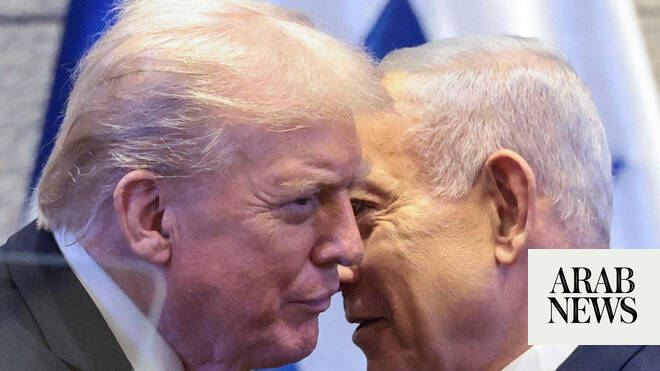
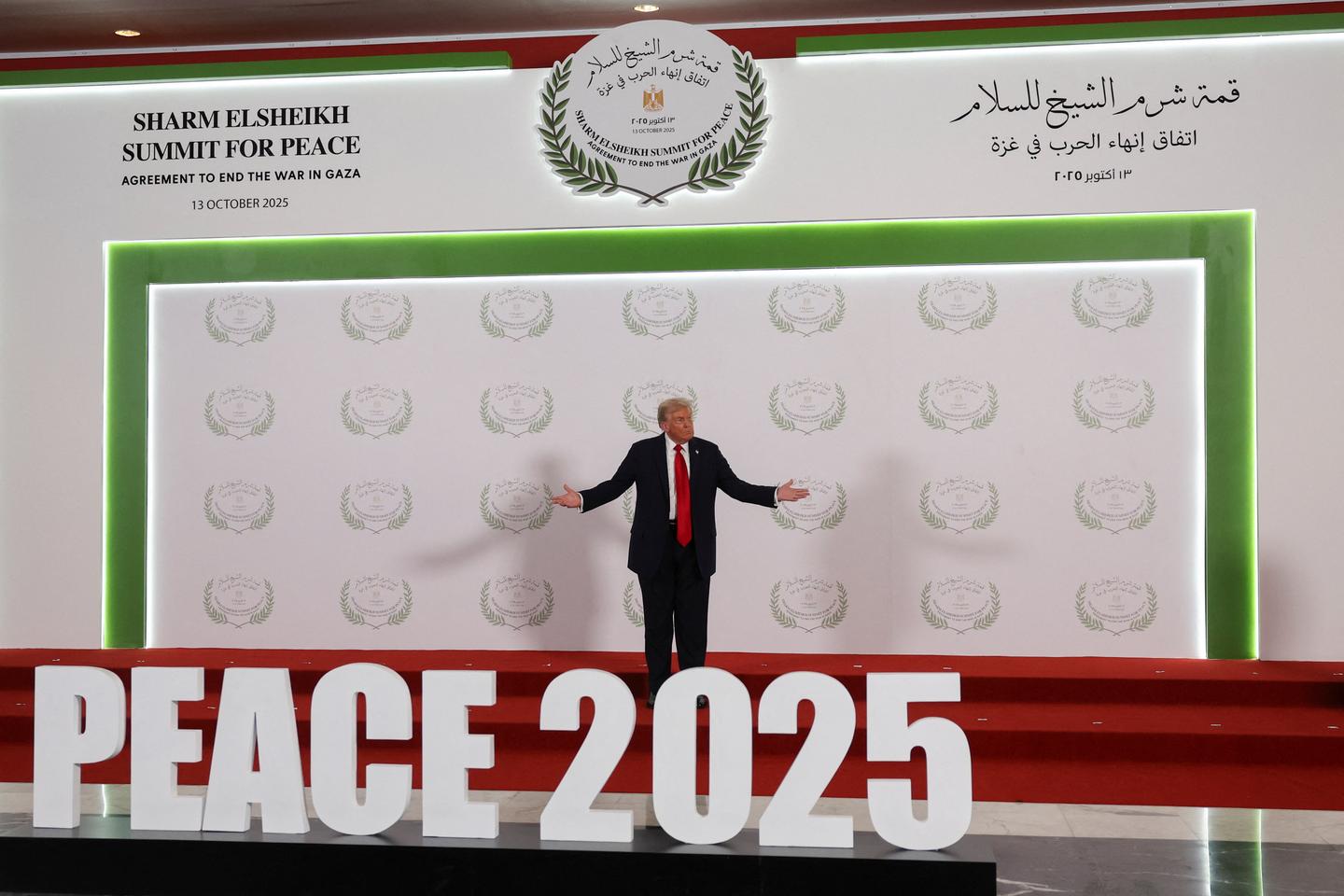
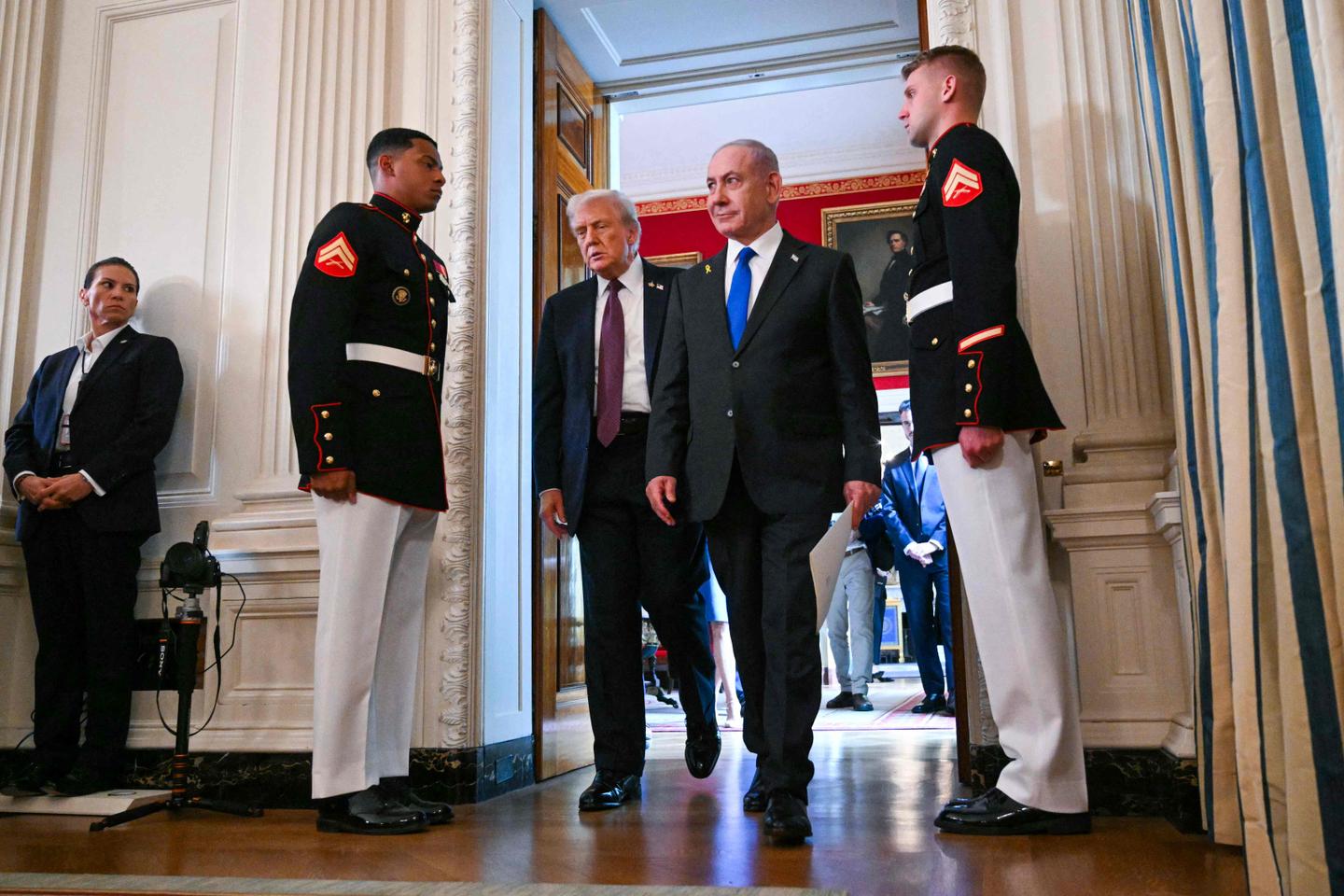
So how did it come about and who deserves the credit? Often a breakthrough such as this is the result of both parties shifting their positions, more or less equally. At first glance, it can seem as if that is what happened here. Hamas was clearly weakened, with Israel having eliminated its leaders and diminished its great patron, Iran. And Donald Trump ensured that those states with leverage over Hamas – Qatar, Turkey and Egypt – pushed the organisation to say yes. (He did that using tools uniquely held by the US, agreeing, for example, a defence pact with Qatar that gives the Gulf state Nato-level protection.)