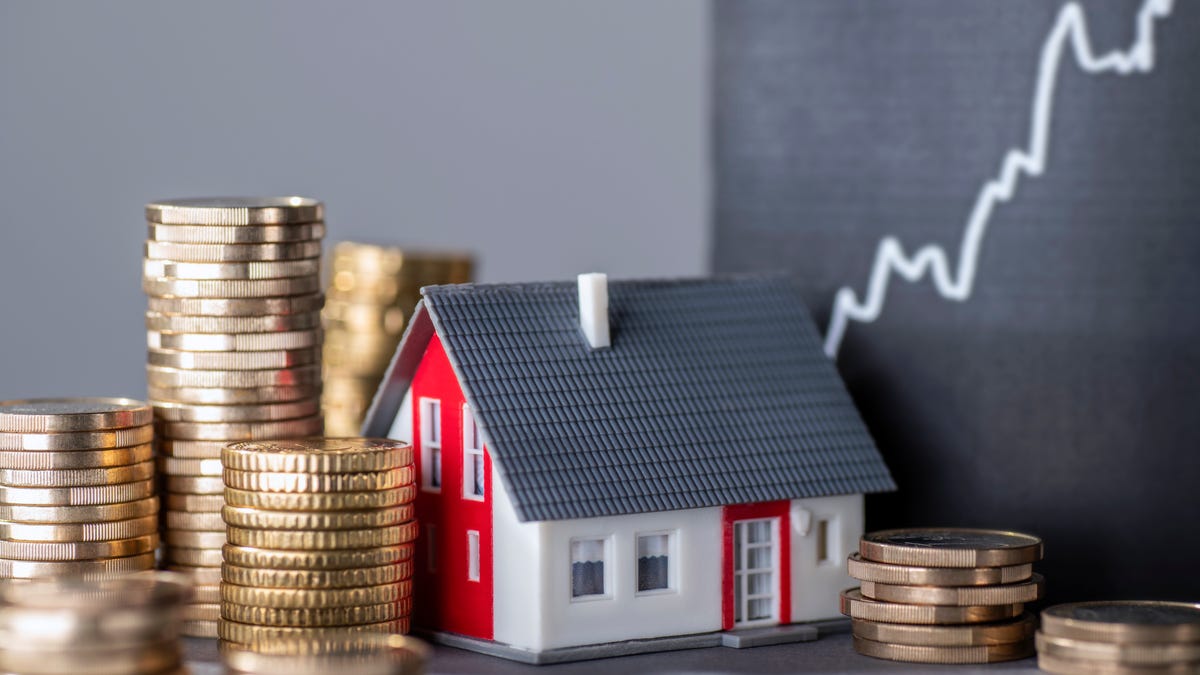
In today's hot housing market, winning a bidding war can feel like a triumph. But my research shows it often comes with a catch: Homebuyers who win bidding wars tend to experience a "winner's curse," systematically overpaying for their new homes.
I'm a real estate economist, and my colleagues and I analyzed nearly 14 million home sales in 30 U.S. states over roughly two decades. We found that people who paid more than the asking price for their homes -- a reliable sign of a bidding war -- were more likely to default on their mortgages and saw significantly weaker returns.
How much weaker? On average, homebuyers who won bidding wars saw annual returns that were about 1.3 percentage points lower than those who didn't, we found. We specifically looked at "unlevered" returns -- basically, the returns you'd get if you bought the home outright with cash, without factoring in a mortgage.
Since the typical homeowner in our sample held a property for 6.3 years before selling it, this translates to about an 8.2% overpayment. Bidding-war winners were also 1.9 percentage points likelier to default.
Related