https://arab.news/ya4ms
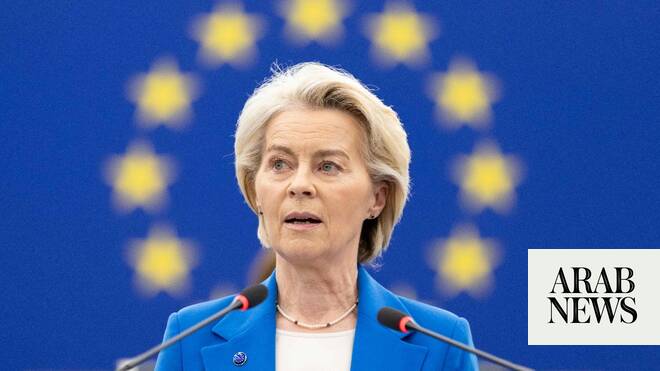
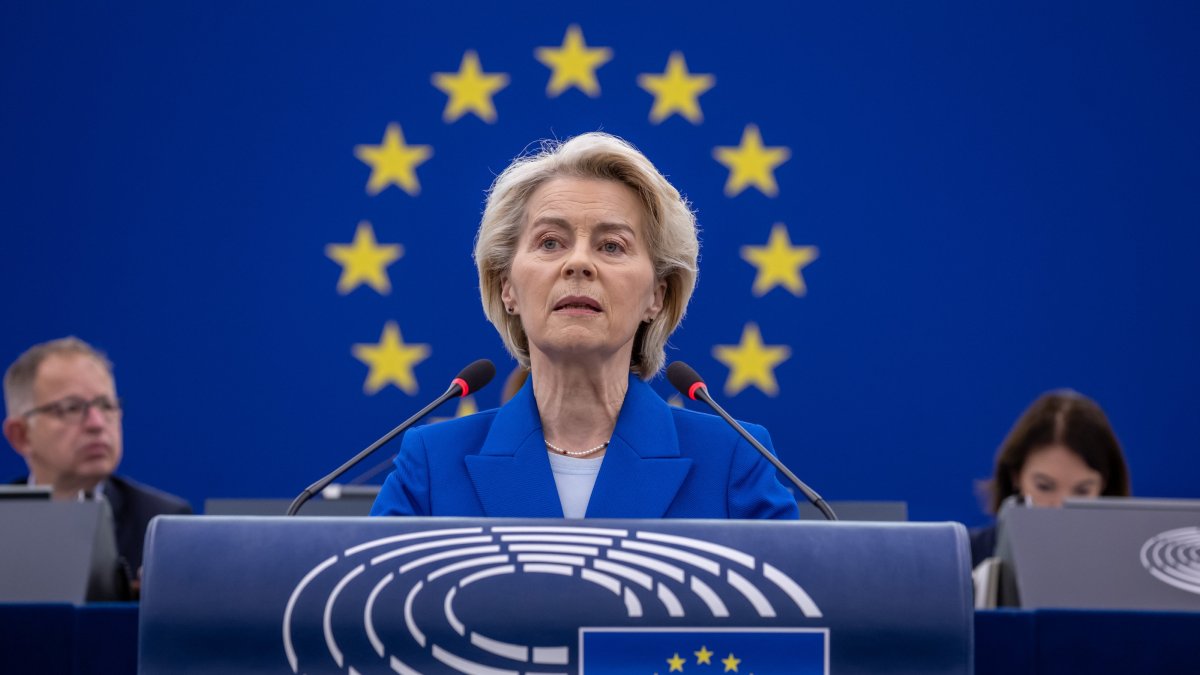
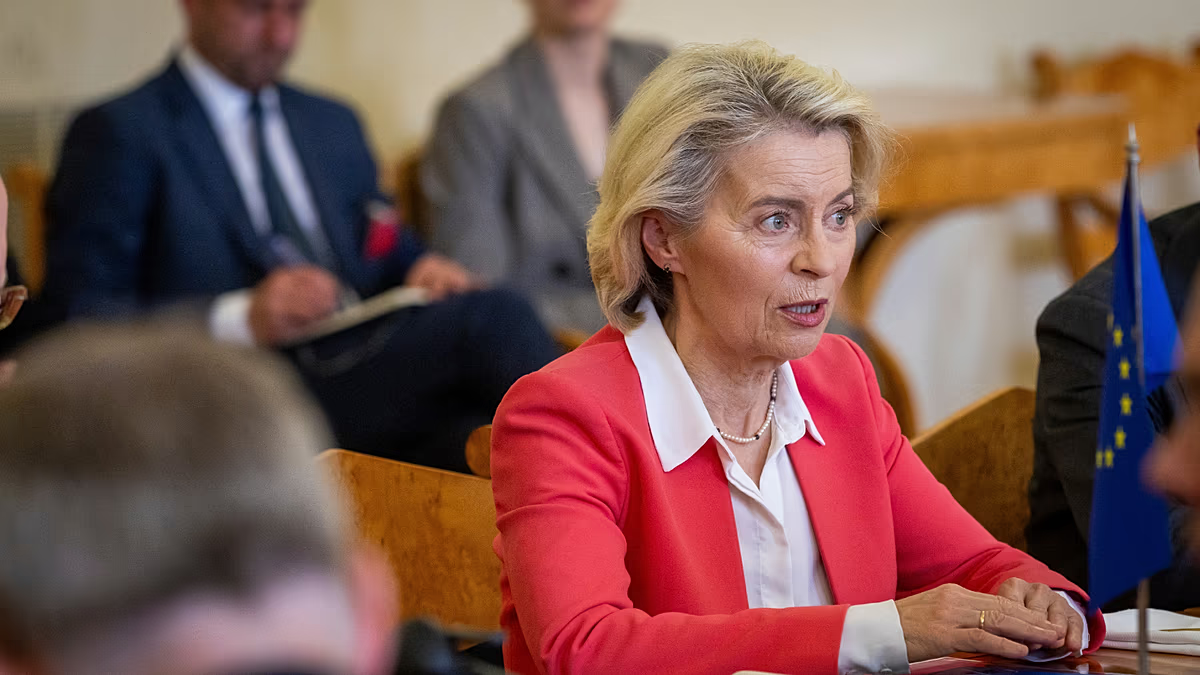
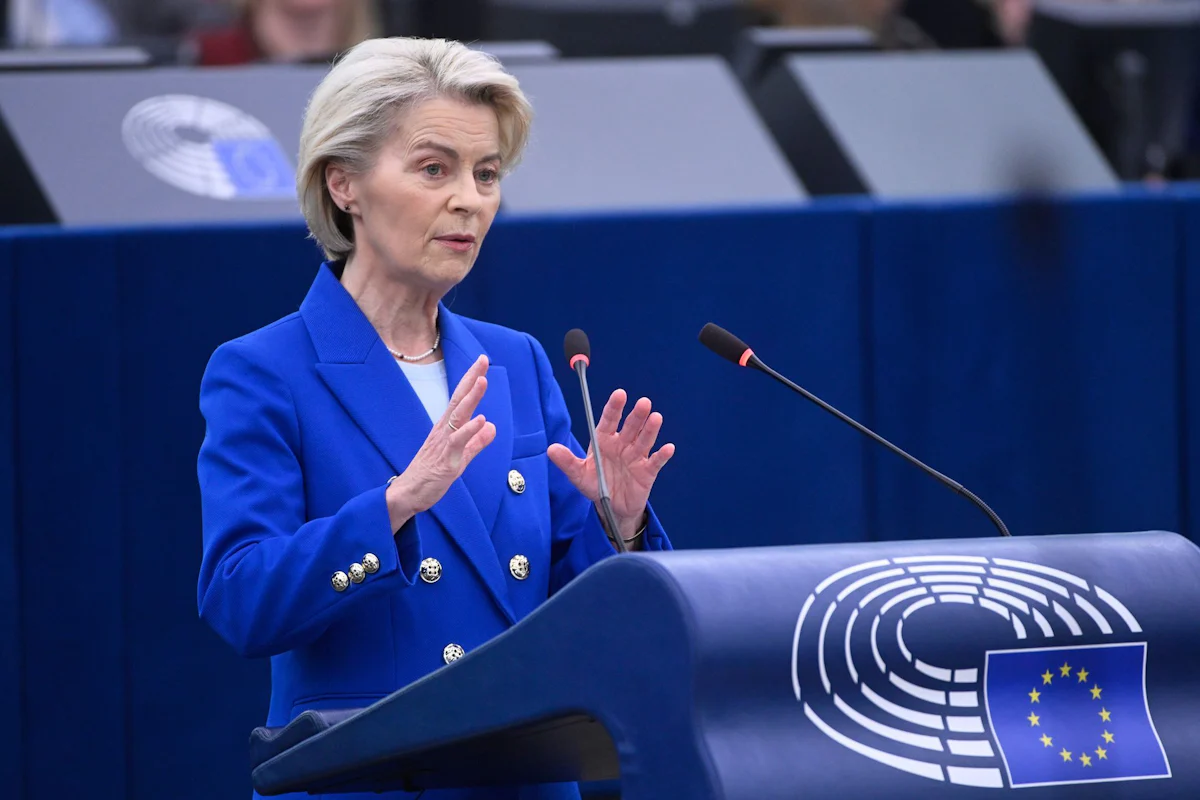
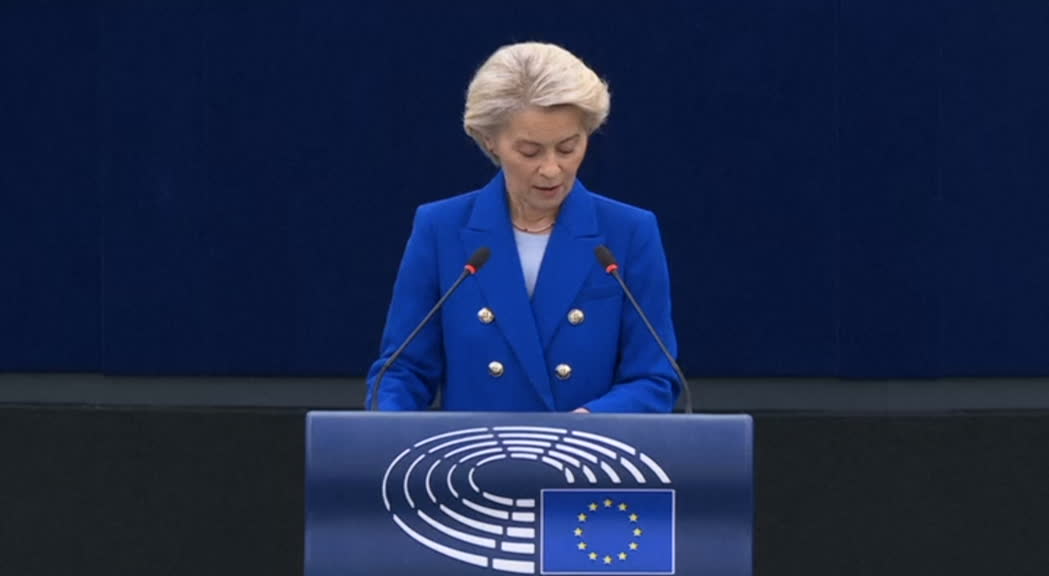
European Commission President Ursula von der Leyen on Wednesday gave a forceful speech in the European Parliament about the security threats and geopolitical challenges Europe faces from Russia. Her comments were striking for their clarity, given how cautious EU officials had previously been in describing Russia’s behavior. Von der Leyen did not mince her words, stating that Moscow’s actions amounted to “a coherent and escalating campaign to unsettle our citizens, test our resolve, divide our union and weaken our support for Ukraine. And it is time to call it by its name. This is hybrid warfare.”
For European countries, the question of what role the EU should play in defense has been debated since the early days of integration, even during the time of the European Coal and Steel Community in the 1950s.
After decades of enlargement, integration and successive treaties that often centralized power in Brussels at the expense of member states’ sovereignty, defense has remained the one area in which individual nations have been reluctant to cede authority. The reason is simple: the decision to go to war — or not — is still widely seen as a sovereign prerogative that belongs to the nation state, not a supranational body based in Brussels.