From the Tiwi Islands to Tasmania, from city classrooms to refugee programs, I have listened to thousands of young people. And now I carry those voices with me into the heart of the UN
I
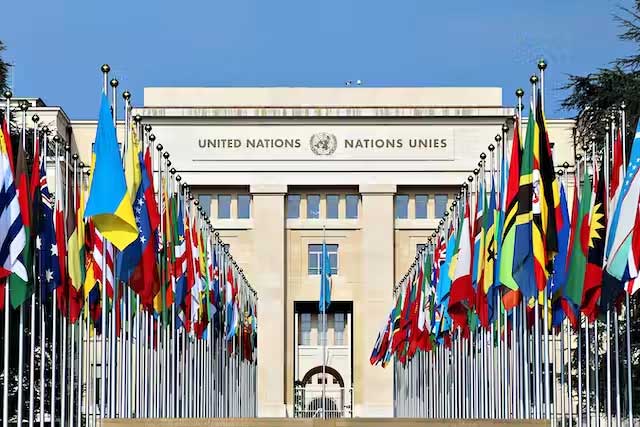
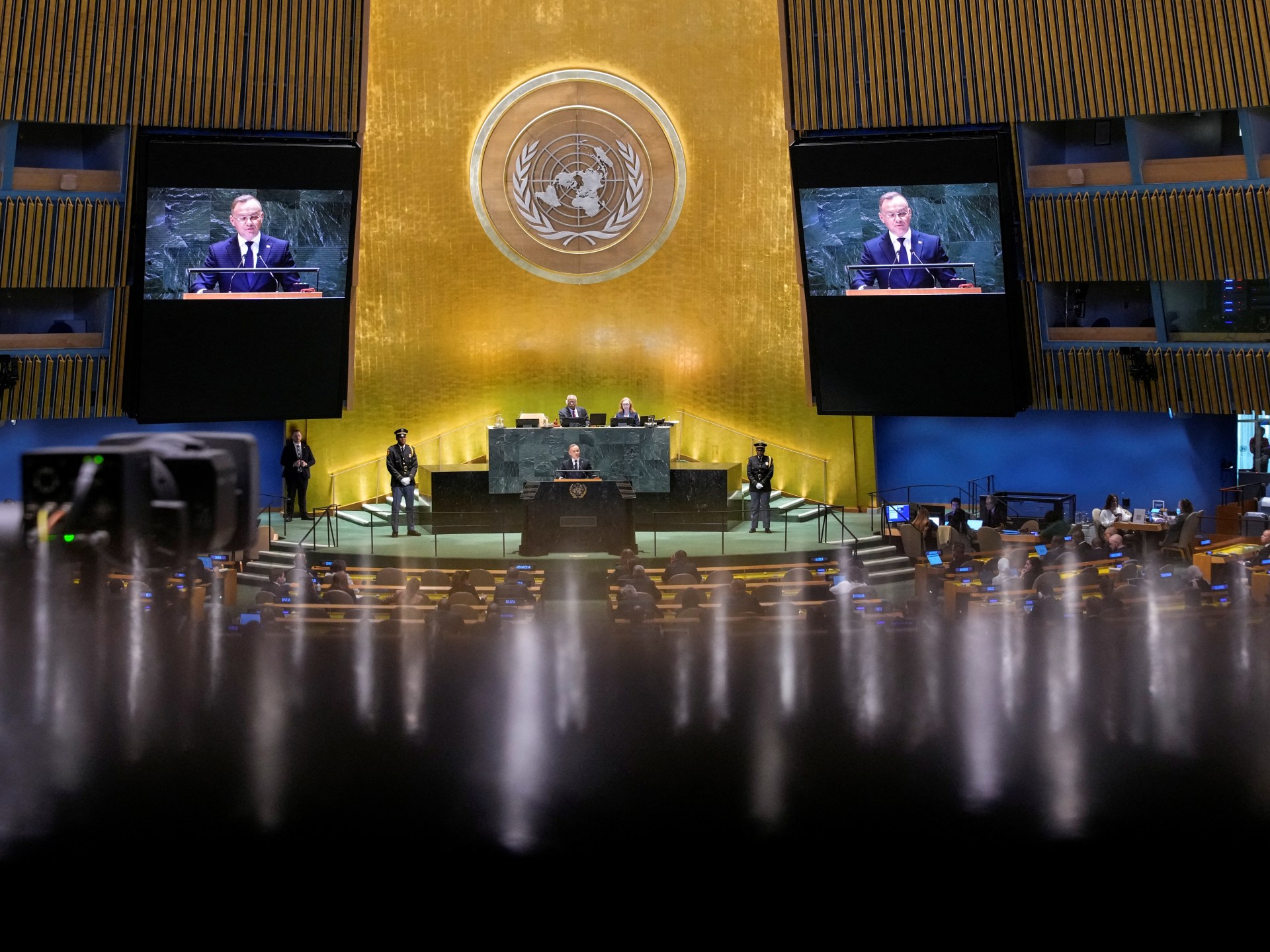
n its 80th year, the UN headquarters in New York heard speeches that made headlines. One leader thundered threats of war. Another complained about an escalator. Meanwhile, outside the polished floors and gilded halls, children were starving in Palestine. Bombs fell. Borders closed. Budget cuts placed the very architecture of human rights under siege.
This was meant to be a landmark gathering, a celebration of 80 years of multilateralism. Instead, it felt like a reckoning. Can the UN still serve the people it was built to protect, or has its promise begun to crack under the weight of politics?
I am 22. I am not a politician. I am not a diplomat. I arrive without motorcade, without flags, without fanfare. But I carry something infinitely heavier: the voices of young people crying out for basic recognition – the ones who should be standing in these chambers, yet perhaps never will.