LONDON: The persistence of wars and conflicts, despite humanity’s best endeavors to eradicate them, is one of the most frustrating and costly aspects of international affairs and human existence.
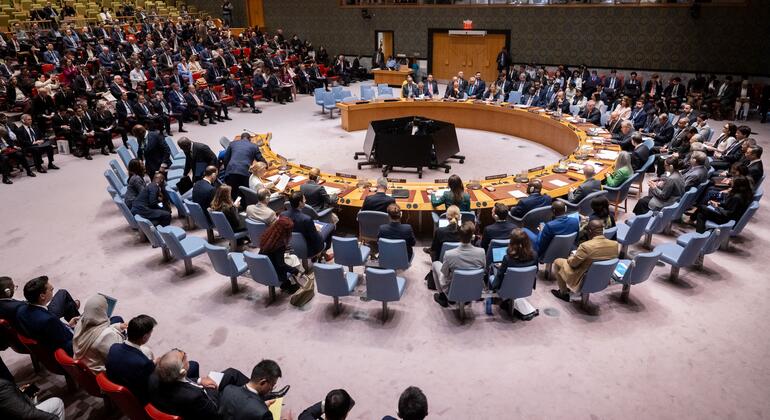
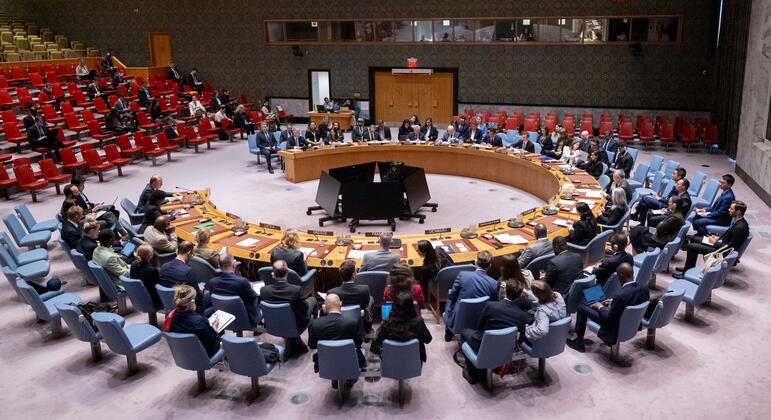
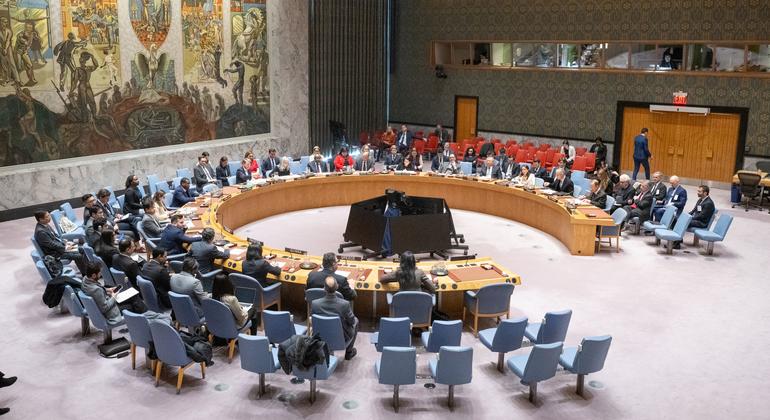
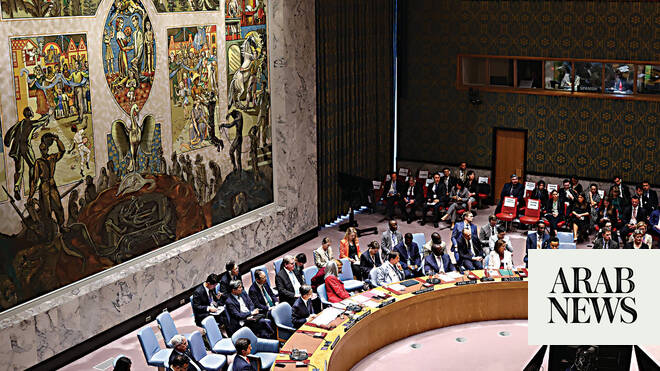
After the Second World War, the establishment of the UN, and especially the Security Council, its centerpiece for ensuring peace and security, was intended to provide the ultimate answer to war prevention, or at least its quick resolution.
Even if the UN has not entirely failed, it has only partially served its intended purpose. This failure is due to the inherent structure of the international system, of which the primary building block is the nation state, which is reluctant to cede certain aspects of its security to a global collective security body.
A view of the United Nations headquarters in New York City. (Shutterstock)
It is also the structure and mandate of the UN, particularly the Security Council and its exclusive club of five permanent members with the right of veto, that hinder its effectiveness in preventing and resolving conflicts.